Optimizing Freight Operations for Modern Logistics Success
Wednesday, October 7 2026

Modern freight forwarding requires precision and agility to navigate the complexities of global supply chains. As businesses strive to meet consumer demand for faster delivery times, freight forwarders must rethink traditional operational models to stay competitive. By leveraging cloud-based platforms and digital automation, logistics firms can eliminate manual bottlenecks, reduce errors, and foster better collaboration across global networks. This shift is not merely about adopting technology, but about creating a scalable foundation that empowers your team to focus on strategic growth and exceptional client service while navigating the unpredictable nature of today's international shipping market with confidence and ease.
Digitizing Operational Workflows
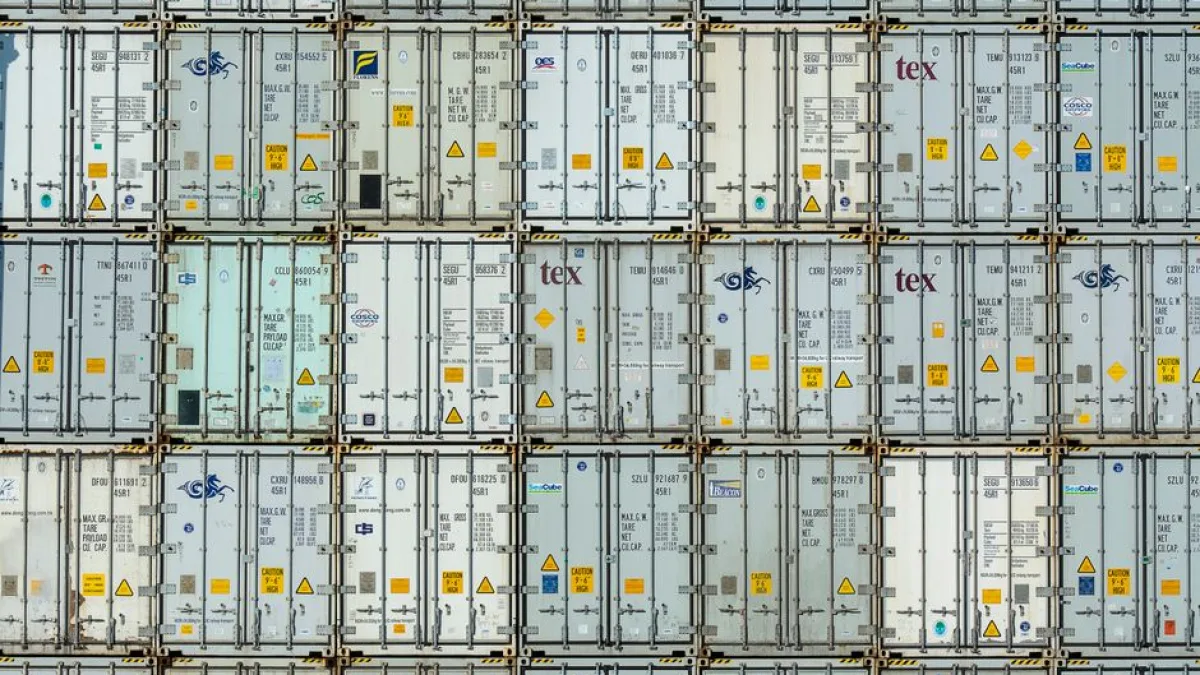
Digital transformation serves as the backbone of modern freight forwarding operations by replacing outdated manual processes with automated systems. Transitioning to cloud platforms provides teams with real time visibility, ensuring that documentation, tracking, and communication occur within a unified, secure digital environment.
- Centralized document management: Consolidate all shipping documents into a single secure platform to reduce search time and ensure that team members access the most current versions of critical paperwork.
- Automated task tracking: Implement automated workflows that trigger notifications for upcoming deadlines, preventing missed milestones and ensuring that every shipment moves through the supply chain without unnecessary delays.
- Standardized data entry: Reduce input errors by utilizing templates and automated data validation features that keep operational logs accurate while preventing costly administrative mistakes during the booking process.
- Integrated communication tools: Streamline correspondence between departments and external partners by centralizing messages within the platform, which preserves an audit trail for future reference and accountability on files.
By moving away from spreadsheets and email chains, freight forwarders create a single source of truth for their operations. This shift improves speed and allows staff to handle larger volumes without increasing headcount. Managers gain deeper insights into performance trends, enabling them to make data-driven decisions that improve overall service levels and maintain profit margins despite the constant fluctuations found within the global logistics sector.
Enhancing Global Supply Chain Visibility
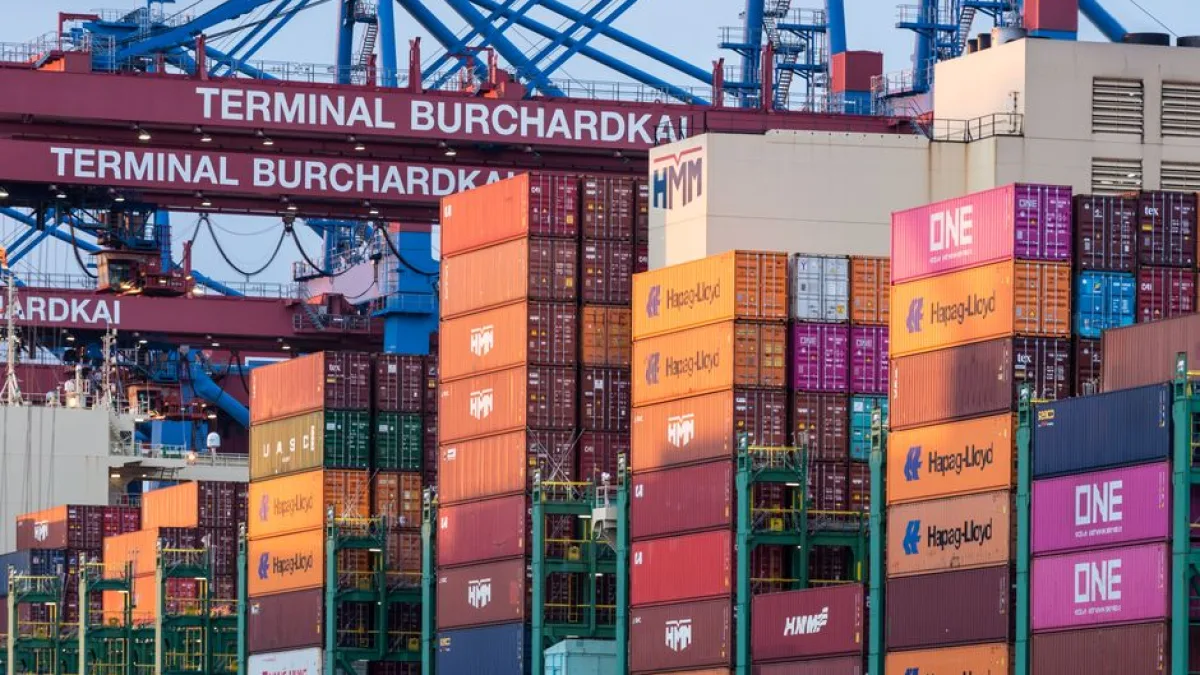
True visibility in freight operations means tracking every shipment from origin to final destination with granular detail. Modern software allows forwarders to provide clients with precise status updates, which minimizes anxiety and strengthens the trust required for long term business partnerships.
- Real time tracking: Integrate GPS and carrier data directly into your dashboard to provide live status updates that keep clients informed at every stage of their shipment.
- Predictive delay alerts: Utilize smart monitoring features to identify potential bottlenecks early, allowing your team to proactively communicate issues and offer alternative routing options to your valued clients.
- Carrier performance analytics: Measure the reliability of your service providers through detailed reporting, helping you choose partners that consistently meet deadlines and maintain high service standards for you.
- Custom client portals: Provide your customers with direct access to shipment details through secure portals, which reduces the volume of status inquiries handled by your customer service staff.
Heightened visibility is a powerful differentiator that sets your firm apart in a crowded market. When customers see exactly where their goods are and when they will arrive, they are more likely to return. Forwarders who prioritize transparency build resilience, ensuring they can navigate sudden disruptions while maintaining clear, open communication channels that protect their reputation and ensure continued success in global logistics.
Streamlining Documentation and Compliance

Navigating the complex maze of international customs regulations demands absolute precision and deep expertise. Manual handling of customs declarations, certificates of origin, and invoices often leads to non-compliance risks, but specialized software automates these essential processes to ensure total regulatory compliance.
- Automated compliance checks: Run automatic screening against restricted party lists and trade regulations to ensure that every shipment follows local and international laws before reaching borders.
- Digital signature integration: Speed up approval processes by incorporating digital signatures, which eliminate the need for physical printing or scanning while maintaining strict legal compliance and security.
- Standardized customs filing: Utilize built-in templates tailored to specific trade lanes, which ensure that all mandatory information is included correctly to prevent costly shipments from being held.
- Historical record retention: Store compliance documents in a searchable cloud archive that is accessible for years, providing instant retrieval during audits or inquiries from local government agencies.
Mastering the documentation phase is critical to maintaining operational flow and avoiding heavy fines associated with non-compliance. By digitizing these tasks, your team avoids the frustration of repetitive data entry and focuses on resolving high level challenges instead. This organized approach creates a reliable framework that protects your business from legal risks while ensuring that international shipments move across borders with seamless, predictable efficiency.
Leveraging Data for Strategic Growth

Data is the most valuable asset for any modern freight forwarder seeking to optimize profitability and identify new opportunities. By analyzing historical performance metrics and operational costs, forwarders can identify inefficiencies and make informed decisions that drive sustainable growth across their entire business model.
- Detailed cost analysis: Break down expenses by route, carrier, and client to identify which accounts provide the best margins and where you might need to adjust pricing.
- Trend forecasting tools: Examine seasonal shipping patterns to anticipate market demands, helping you prepare resources and negotiate better contracts with carriers well before peak season starts.
- Resource allocation planning: Use performance data to identify which staff members are excelling in specific areas, allowing you to optimize team structures for maximum productivity and output.
- Operational efficiency reporting: Generate monthly reports that highlight cycle times, helping you measure progress and continue refining processes to meet your ambitious long term business goals.
Data-driven strategy transforms your firm from a reactive service provider into a proactive business partner. When you understand the underlying numbers of your freight operations, you can innovate rather than just survive. Focusing on continuous improvement allows you to remain competitive in an evolving industry, ensuring that your company remains profitable while delivering the high quality, reliable service that your customers demand.
Conclusion
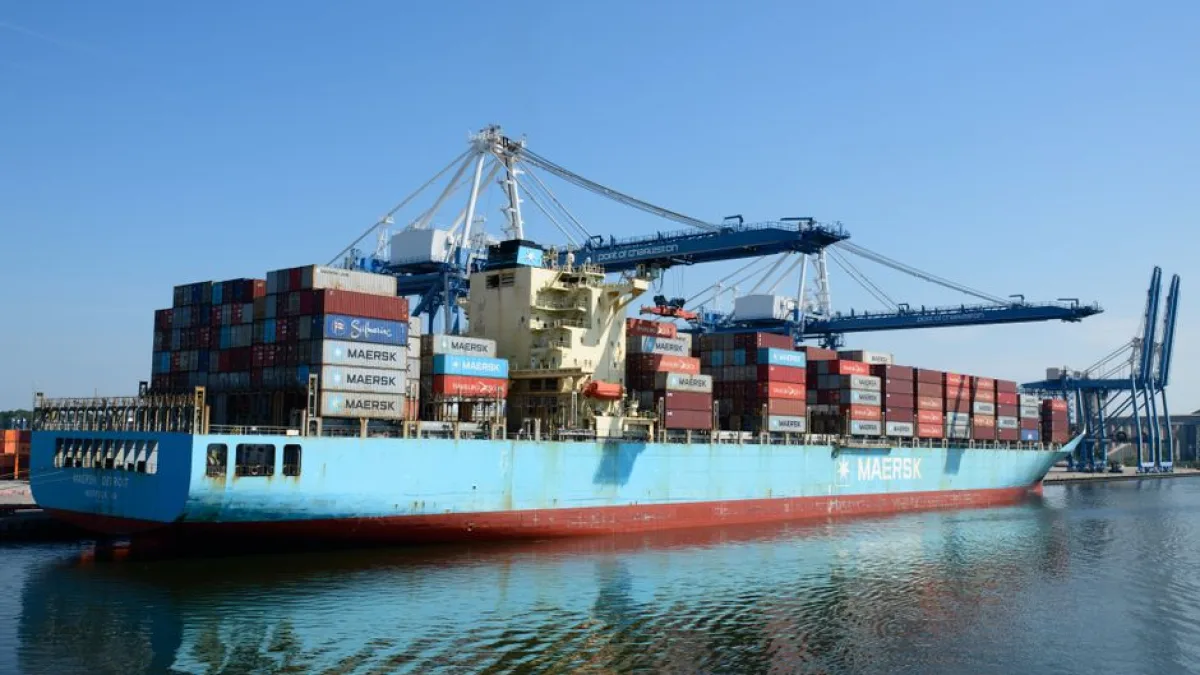
Effective freight operations rely on the smart integration of technology, data, and communication. By digitizing workflows and prioritizing visibility, forwarders can navigate the complexities of international logistics while maintaining high standards of efficiency. Investing in a robust cloud platform ensures your team remains agile and competitive. Start optimizing your freight operations today to build a scalable, profitable, and future-ready logistics business for your clients.