Optimizing Freight Operations for Modern Logistics
Saturday, October 10 2026

Freight forwarding is currently undergoing a massive transformation driven by the rapid pace of digital disruption and shifting global supply chain demands. Professionals in this sector face the constant pressure of balancing efficiency with rising customer expectations for transparency and real-time data access. Relying on outdated manual processes or disconnected legacy systems is no longer a viable path forward for firms aiming to maintain a competitive advantage. Modern logistics operations require a cloud-centric approach to integrate workflows, automate tedious administrative tasks, and ensure that every stakeholder remains synchronized throughout the entire lifecycle of a shipment, from pickup to final delivery.
Streamlining Documentation Workflows

Digital document management serves as the backbone of modern freight operations, replacing slow manual entry with automated precision. By digitizing paperwork, companies can eliminate human error and significantly accelerate the speed at which goods clear customs and reach their intended final destination.
- Automated Data Entry: Implement OCR technology to extract information from bills of lading and commercial invoices, which reduces manual keyboard time and prevents common clerical errors during data processing.
- Centralized Document Repository: Maintain all shipping files in a secure cloud environment to ensure that your team can access essential compliance documents from anywhere in the world instantly.
- Standardized Filing Systems: Develop uniform naming conventions across your organization to ensure that every department can locate critical paperwork without wasting precious time searching through disorganized physical folders.
- Digital Approval Chains: Utilize workflow automation to route documents to the appropriate managers for signature, ensuring that internal compliance checks occur without causing delays in the shipping cycle.
Adopting these digital documentation practices allows your team to move away from the bottleneck of paper-heavy workflows. By automating the capture and storage of shipping data, you create a more resilient operation that handles volume surges with ease. Efficiency becomes the natural byproduct of your systems, allowing your staff to focus on solving high-level client problems rather than correcting simple typos or searching for missing files.
Enhancing Real-Time Shipment Visibility
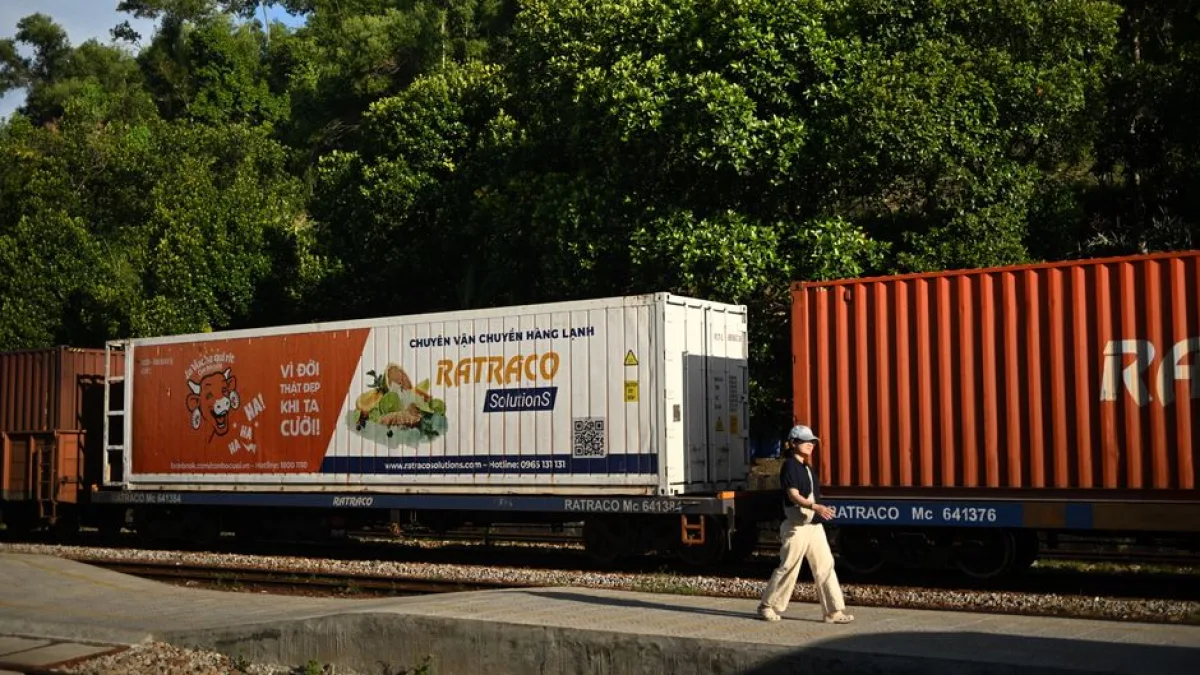
Visibility is the top priority for shippers today, as clients expect constant updates regarding the status of their cargo. Leveraging cloud-based tracking software provides the transparency necessary to build long-term trust and effectively manage customer expectations in volatile shipping environments.
- Live Cargo Tracking: Integrate API feeds from major shipping lines and carriers to provide customers with accurate, real-time updates regarding the exact location of their valuable freight items.
- Proactive Exception Alerts: Configure automated notification systems that alert your staff the moment a delay occurs, allowing you to inform your clients and offer solutions immediately.
- Client Portal Access: Grant your customers secure login access to a portal where they can view shipment statuses without having to call or email your support team.
- Predictive Arrival Estimates: Use historical transit data to provide more accurate arrival time predictions, helping your clients better plan their inventory needs and distribution schedules effectively.
Transparency acts as a powerful differentiator in a crowded freight market where communication gaps often lead to lost contracts. By providing granular data, you transform your service from a mere commodity into a value-added partnership. Your clients gain the peace of mind they need to manage their businesses, while your operations team spends less time handling status inquiries and more time optimizing routes.
Automating Financial Accounting Processes

Financial reconciliation often represents the slowest part of a freight operation. Integrating your freight management platform with accounting software ensures that invoices are generated accurately and payments are processed without unnecessary friction, which improves your cash flow and reduces administrative overhead.
- Automated Invoice Creation: Generate accurate freight invoices directly from the booking data to eliminate the need for redundant entry and ensure that billing matches the final shipment records.
- Vendor Reconciliation Tools: Streamline the process of matching incoming carrier invoices against your internal cost estimates to identify discrepancies quickly and ensure you are never overpaying for services.
- Seamless Payment Integrations: Connect your logistics platform with digital payment gateways to allow for faster transaction settlement and improved tracking of all incoming and outgoing business cash flows.
- Real-time Profitability Tracking: Monitor the profitability of individual shipments instantly by comparing quoted rates against actual carrier costs, enabling better pricing strategies for all your future freight bids.
Efficient financial operations prevent the cash flow bottlenecks that often plague growing logistics firms. By automating the reconciliation process, you reclaim valuable staff hours previously lost to mundane billing tasks. This level of financial precision not only improves your bottom line but also enhances professional credibility. Clients appreciate clear and timely invoices, which ultimately strengthens the long-term business relationship and repeat revenue potential.
Leveraging Advanced Data Analytics

Data is the most valuable asset in modern logistics, yet many firms fail to utilize the information they already possess. By applying advanced analytics to your operational data, you can uncover hidden trends, identify carrier performance issues, and optimize your entire network.
- Carrier Performance Reviews: Analyze past transit times and reliability metrics to identify which carriers consistently deliver on time and which partners may be negatively impacting your shipping schedules.
- Route Optimization Analysis: Examine historical lane data to identify the most cost-effective and efficient transportation routes, ensuring your team makes data-driven decisions for every new client shipment.
- Trend Forecasting Tools: Utilize predictive modeling to anticipate seasonal volume fluctuations, allowing you to prepare your staff and carrier resources well in advance of peak shipping season demands.
- Performance KPI Dashboards: Visualize key operational metrics like margin per shipment or document turnaround time, which helps your management team identify areas that require immediate process improvements.
Strategic decision-making should always rely on hard data rather than intuition alone. By consistently reviewing your operational analytics, you turn raw shipping logs into a powerful tool for continuous improvement. You will find that small adjustments in route planning or carrier selection lead to massive cumulative gains. This data-driven culture ensures that your freight operation remains agile and ready for future industry changes.
Conclusion

Successful freight operations require a commitment to digital transformation and continuous process refinement. By integrating cloud-based technologies to manage documentation, visibility, finances, and analytics, you position your firm for sustainable growth in a complex global market. Focus on these core areas to build a more efficient, transparent, and profitable operation that provides genuine value to your clients and ensures your team stays ahead of the competition.