Optimizing Freight Operations for Modern Logistics Efficiency
Sunday, October 11 2026

Modern freight forwarding requires a delicate balance of precision, speed, and visibility to remain competitive in a volatile global market. As supply chain complexities grow, professionals must move beyond manual spreadsheets to embrace cloud-based tools that integrate disparate data points. Successful operations depend on real-time tracking, automated documentation, and seamless communication across all partners in the logistics ecosystem. By adopting smarter workflows, companies can reduce human error, lower overhead costs, and significantly improve client satisfaction levels. This guide explores essential operational pillars that empower forwarders to scale their businesses effectively while maintaining the highest service standards in an increasingly digital world.
Centralizing Data Management

Data fragmentation is the primary barrier to operational speed in freight forwarding. By centralizing information in one cloud-based hub, teams eliminate silos and ensure that every stakeholder accesses a single version of the truth, regardless of their global geographic location.
- Unified data access: Integrating all shipment details into one platform allows teams to share live updates instantly, preventing communication gaps that often occur when relying on email chains or disparate systems.
- Reduced manual entry: Automated document processing tools minimize the need for repetitive data input, which significantly decreases the likelihood of costly human errors during complex customs clearance or billing tasks.
- Enhanced visibility layers: Providing clear oversight of every milestone from origin to destination ensures that forwarders can proactively address potential delays before they escalate into major supply chain disruptions.
- Streamlined reporting tools: Advanced analytics modules enable management to track performance metrics, helping teams identify bottlenecks in their workflows and make data driven decisions to improve overall service quality.
Centralized platforms act as the backbone of high performing logistics teams. When information flows freely across departments, the entire organization benefits from improved transparency and accountability. Investing in a robust digital infrastructure allows forwarders to move faster while maintaining extreme accuracy. This foundation is essential for companies looking to survive the rapid pace of change currently defining the international freight and transportation landscape today.
Automating Compliance Documentation

Customs compliance is a high stakes area where small errors lead to massive delays and heavy financial penalties. Modern software solutions automate complex regulatory checks, ensuring that every shipment adheres to international trade laws while speeding up the transit process.
- Smart document validation: Intelligent software scans every uploaded document against current regulatory requirements to flag inconsistencies or missing information before the cargo ever reaches the inspection phase at the border.
- Automated tariff calculations: Dynamic duty and tax estimation features calculate costs based on current harmonized codes, reducing the risk of unexpected billings and helping clients manage their budgets much more effectively.
- Standardized filing processes: Creating repeatable templates for recurring customs entries saves hours of work each week, allowing staff to focus on solving complex exceptions rather than performing mundane data tasks.
- Secure document storage: Cloud archives provide a compliant audit trail for all shipping documents, ensuring that businesses remain prepared for customs inquiries at any moment without wasting valuable time.
Navigating the maze of international customs requires a focus on accuracy and procedural efficiency. By leveraging automated compliance tools, freight forwarders minimize risk and accelerate the movement of goods across borders. This strategic shift transforms compliance from a burdensome chore into a competitive advantage. When documentation is handled with precision, client trust flourishes, positioning your logistics firm as a reliable partner in global trade.
Enhancing Real Time Tracking
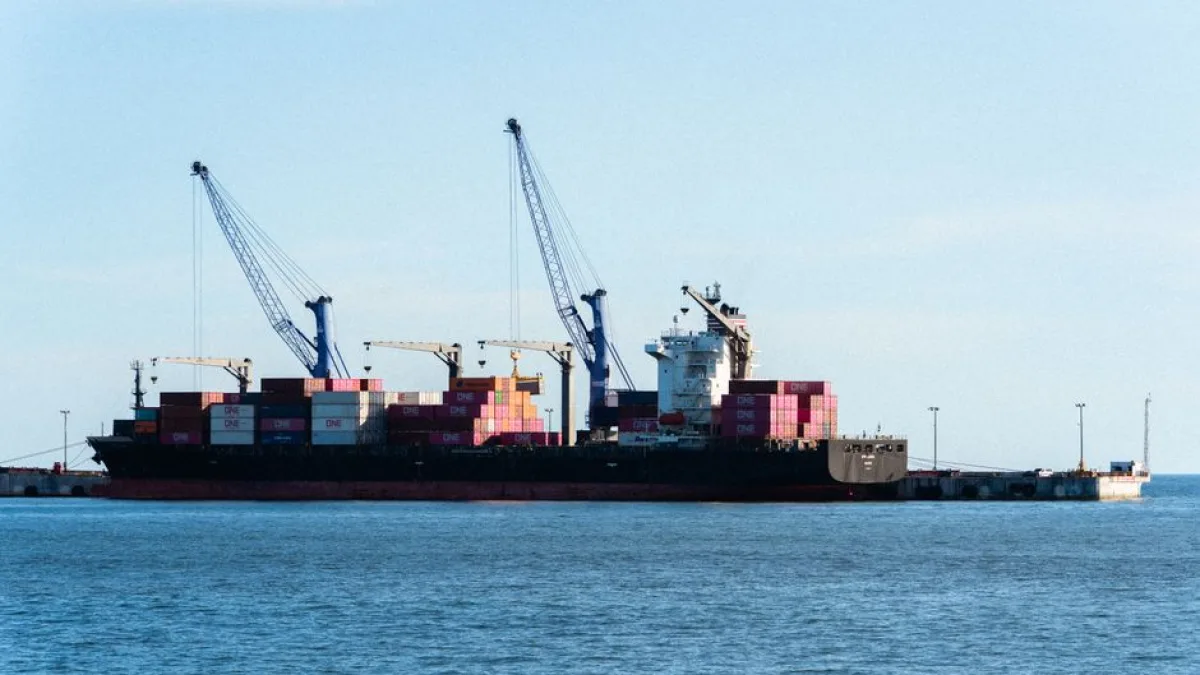
Visibility is no longer a luxury but a fundamental expectation from modern shippers. Utilizing real time tracking technologies enables forwarders to provide precise ETAs, allowing customers to plan their inventory and supply chain activities with much greater confidence and control.
- Live GPS monitoring: Integrating satellite data directly into your dashboard provides precise coordinates for freight, allowing teams to react instantly to weather patterns, port strikes, or unexpected route changes.
- Predictive delay alerts: Advanced algorithms analyze historical trends and real time port status updates to notify clients of potential arrival shifts long before the vessel reaches the destination terminal port.
- Automated status updates: Proactive notifications sent to customers remove the need for manual status queries, freeing up your customer service team to focus on resolving more complex account issues.
- Interactive client portals: Dedicated customer portals allow clients to track their shipments independently, offering transparency that boosts satisfaction while reducing the overall volume of routine inbound support calls received.
Real time data is the ultimate tool for managing client expectations in a volatile market. When you provide accurate visibility, you demonstrate professionalism and reliability that sets your firm apart from the competition. Using technology to bridge the information gap ensures that your clients remain informed and satisfied. This level of service fosters long term loyalty and establishes your reputation as a premier industry provider.
Optimizing Partner Collaboration

Logistics is a collaborative effort involving carriers, agents, and warehouses. Efficient operations depend on how well these entities communicate through a single platform, ensuring that every handoff is seamless and that no shipment details are lost between various points.
- Seamless partner portals: Providing external agents and carriers with dedicated portal access ensures that everyone inputs data directly into your system, eliminating the need for constant back and forth email communications.
- Transparent task delegation: Clear digital assignments within the software ensure that everyone knows their specific responsibilities, which prevents overlaps and reduces confusion during critical stages of the shipping lifecycle.
- Integrated message logs: Storing all shipment related communications within the software ensures a searchable history, which is vital for conflict resolution or clarifying details with partners months after delivery.
- Instant status synchronization: When one partner updates the status of a shipment, the information reflects instantly for all relevant parties, keeping the entire supply chain aligned and moving in unison.
Successful logistics depends on the strength of your network and how effectively you manage those relationships. By providing a unified platform for collaboration, you eliminate communication barriers and streamline every handoff. This approach ensures that your operations remain smooth even when managing complex multi modal shipments. Building a digital ecosystem for your partners creates a resilient and highly efficient supply chain network.
Conclusion

Modernizing your freight operations is the most effective way to scale your logistics business while maintaining high levels of service. By centralizing data, automating compliance, improving visibility, and fostering collaboration, forwarders can achieve unmatched operational efficiency. Embracing digital transformation is no longer optional for growth. Start optimizing your workflows today to gain a competitive edge and provide superior value to every customer you serve.