Optimizing Freight Operations for Modern Logistics Success
Friday, October 23 2026

Freight forwarding is undergoing a profound digital transformation that demands agility, precision, and deep operational visibility. As global supply chains grow more complex, professionals must move beyond manual processes and legacy spreadsheets to remain competitive in an increasingly volatile market. By leveraging advanced cloud-based platforms, forwarders can synchronize communication across diverse stakeholders, automate repetitive documentation tasks, and gain real-time insights into cargo movement. Embracing these technological shifts is no longer a luxury but a fundamental necessity for firms aiming to scale efficiently, reduce human error, and deliver superior service levels to their demanding global client base today.
Streamlining Documentation Workflows

Efficient document management remains the backbone of successful freight operations. By centralizing digital files, logistics providers can eliminate the friction of manual data entry, reduce shipping delays caused by paperwork errors, and ensure compliance across all international regulatory and customs requirements.
- Automated Data Entry: Implement intelligent software tools that automatically extract relevant information from bills of lading or commercial invoices to significantly reduce human input errors and speed up processing.
- Centralized Cloud Storage: Maintain a secure and accessible repository for all shipping documents to ensure that stakeholders can retrieve essential information instantly without searching through endless physical filing cabinets.
- Standardized Document Templates: Utilize pre-built templates for common export and import forms to ensure consistency and speed throughout the entire documentation lifecycle for every single client shipment.
- Digital Compliance Tracking: Integrate automated checks within your platform to flag missing requirements or regulatory changes before documents reach customs, preventing costly delays and potential administrative fines incurred.
Adopting a robust digital documentation strategy transforms how your team handles administrative pressure. By automating repetitive tasks and ensuring data integrity, your staff can shift their focus toward high-value activities like relationship management and strategic growth. This transition not only lowers operational overhead costs but also drastically improves the turnaround time for your clients, fostering long-term trust and reliability in your freight services.
Real Time Shipment Visibility

Transparency has become the primary expectation for modern shippers tracking their valuable cargo. Providing live updates through integrated tracking systems builds professional credibility and allows teams to proactively address potential transit issues before they escalate into major customer complaints.
- Live Tracking Integration: Connect your operations platform with carrier APIs to receive automatic status updates on vessel locations, port arrivals, and container movements directly within your primary management dashboard.
- Proactive Exception Alerts: Configure automated notification systems that alert your operations team the moment a shipment deviates from its planned schedule or encounters an unexpected logistical bottleneck delay.
- Client Portal Access: Empower your customers by granting them secure portal access to view real-time transit status updates, reducing the volume of inbound status inquiry calls to your office.
- Data Driven Insights: Analyze historical shipment data to identify recurring transit bottlenecks and adjust your carrier selection strategies to improve overall performance and reliability for your future bookings.
Providing exceptional visibility is the hallmark of a world-class freight forwarder. By giving clients the ability to monitor their cargo at every stage of the journey, you reduce uncertainty and minimize the need for manual status updates. This proactive approach to logistics management positions your company as a reliable partner capable of navigating complex supply chain environments with complete transparency and control.
Optimizing Carrier Management
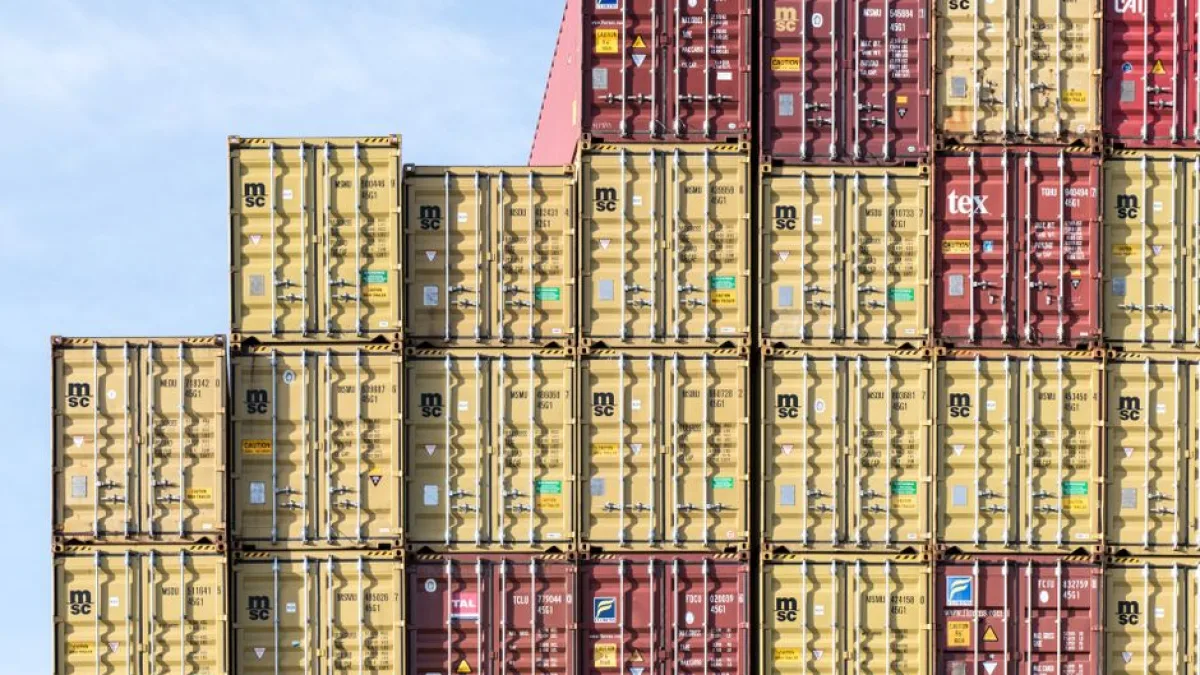
Maintaining strong relationships with a diverse network of carriers is vital for capacity planning. A cloud-based platform helps forwarders evaluate carrier performance based on historical data, ensuring they always select the most cost effective and reliable shipping partners available.
- Dynamic Rate Comparison: Utilize software to compare quotes from multiple carriers simultaneously to ensure your clients receive the most competitive pricing options for their specific shipping route requirements.
- Performance Analytics Dashboard: Track key performance indicators like on-time delivery percentages and transit reliability for each carrier to make data-backed decisions during your next contract negotiation process.
- Seamless Booking Integration: Automate the booking request process by sending shipping instructions directly to carriers through your platform, eliminating the need for fragmented email chains and telephone calls.
- Capacity Planning Tools: Monitor carrier space availability in real time to secure necessary transport slots during peak seasons, ensuring your shipments remain on schedule despite global volatility.
Strategic carrier management is essential for sustaining profitability in the competitive freight sector. By leveraging software that provides objective performance data and streamlined communication channels, you can simplify the complexities of managing multiple shipping lanes. This level of organization not only helps you secure better rates but also guarantees that you can fulfill client promises even during periods of significant market strain.
Enhancing Team Collaboration

Effective teamwork requires synchronized communication across various departments and global offices. Modern software platforms unify your workforce by providing a single source of truth, ensuring that every team member has access to the latest shipment updates at all times.
- Shared Operational Workspace: Enable your team members to collaborate on shipment files within one platform to ensure that internal communication remains organized, clear, and focused on current goals.
- Role Based Permissions: Define specific access levels for employees to protect sensitive commercial information while still ensuring that every staff member has the tools required for their job.
- Automated Task Reminders: Set internal alerts for critical milestones such as payment deadlines or document expiry dates, ensuring that your team never misses a crucial operational step during transit.
- Integrated Messaging Features: Replace disorganized email threads with internal chat functions linked to specific shipment files to keep all relevant conversations documented in one easily searchable place today.
Investing in tools that facilitate seamless collaboration is the ultimate key to operational efficiency. When your team spends less time searching for information and more time collaborating on solving logistical challenges, the quality of service naturally increases. Providing a unified workspace eliminates internal silos, fosters a culture of transparency, and empowers your employees to deliver consistent results for every single freight forwarding project managed.
Conclusion

Success in modern freight forwarding depends on the integration of smart technology and efficient operational processes. By adopting cloud solutions, you gain the agility needed to handle global supply chain demands while providing superior service to your clients. Focus on automating documentation, improving transparency, and fostering team collaboration to remain ahead of the curve in this fast-paced and ever-evolving global logistics industry.