Optimizing Freight Operations for Modern Logistics Success
Saturday, October 24 2026

In the fast paced world of global trade, freight forwarders face constant pressure to remain competitive while managing complex supply chain disruptions. Transitioning from manual, paper based processes to integrated digital solutions is no longer a luxury but a fundamental necessity for survival. By embracing automation and data driven decision making, forwarders can significantly enhance operational transparency, improve customer satisfaction, and reduce costly administrative errors. As we navigate the complexities of international shipping, adopting a proactive mindset toward digital transformation allows professionals to reclaim valuable time, focus on strategic growth, and ultimately provide a seamless experience for shippers across all major global markets.
Mastering Digital Documentation

The digitization of shipping documents transforms how teams interact with critical information, moving away from fragmented email chains toward centralized hubs. This shift minimizes human error and accelerates processing times, ensuring that compliance requirements are met swiftly across international borders.
- Automated Data Entry: Implementing intelligent systems that automatically pull data from shipping documents reduces manual input errors and saves hours of administrative labor each week for your team.
- Centralized Document Storage: Keeping all relevant invoices, bills of lading, and customs forms in a secure cloud environment ensures that your staff can access information anytime.
- Real Time Collaboration: Digital platforms allow different departments to view, edit, and approve documentation simultaneously, effectively eliminating communication bottlenecks that often plague traditional freight forwarding office environments.
- Secure Compliance Tracking: Automated alerts regarding upcoming document expiration dates help forwarders stay ahead of customs regulations and avoid penalties related to missing or incorrect trade documentation.
By shifting to a fully digital documentation workflow, you create a robust audit trail that satisfies international trade standards effortlessly. This move reduces the burden on your staff and builds stronger trust with clients who value transparency. When documents are managed efficiently, your business becomes more resilient against market volatility and operational bottlenecks, ultimately setting the stage for sustainable growth and increased service reliability.
Enhancing Real Time Visibility
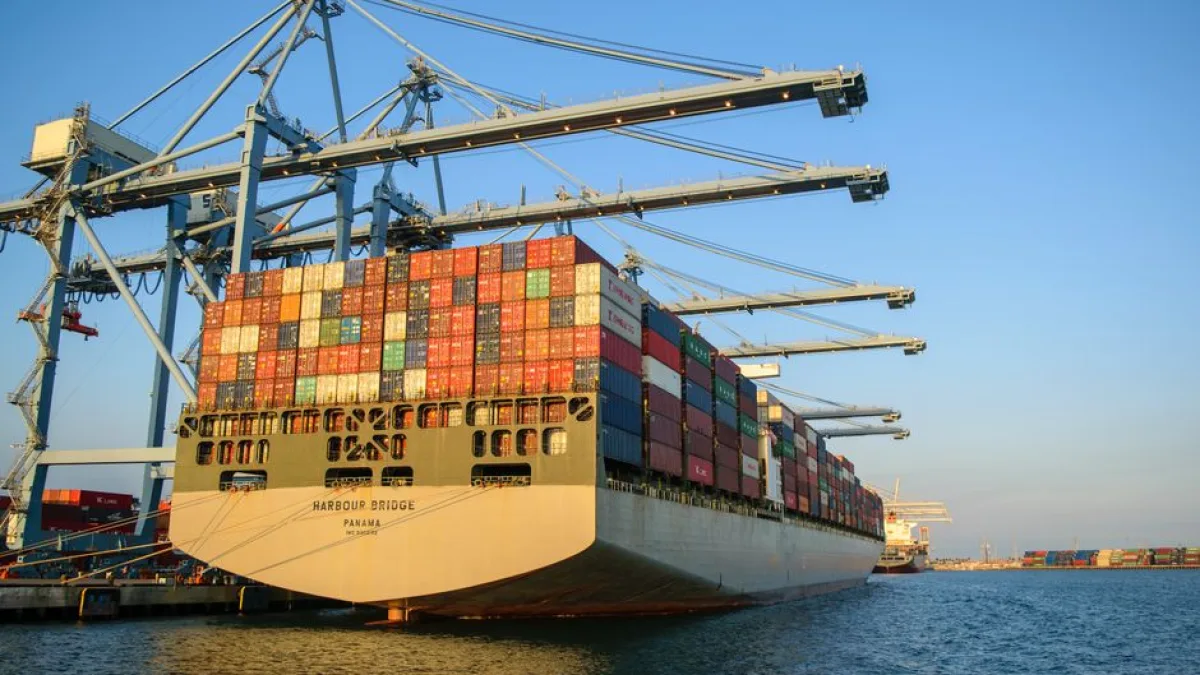
Providing clients with accurate, real time tracking is the cornerstone of modern freight management. Modern software solutions empower forwarders to offer precise updates on shipment status, effectively lowering client anxiety and reducing the need for constant, manual status inquiries.
- Integrated Tracking APIs: Connecting your platform with carrier APIs allows for instantaneous data retrieval, ensuring your clients always receive the latest location updates for their global shipments.
- Proactive Exception Alerts: Advanced systems automatically notify your team when a shipment deviates from its planned route or faces unexpected delays at key port transit terminals.
- Client Portal Access: Offering a dedicated dashboard where shippers can monitor their own cargo status reduces inbound calls and allows you to focus on resolving issues.
- Geographic Data Visualization: Mapping software provides a clear visual representation of global supply chains, helping teams identify potential disruptions before they impact the final delivery schedule.
Superior visibility is the most effective tool for building long term client loyalty in a competitive market. When your customers have access to transparent tracking data, they feel empowered and informed throughout the entire logistics journey. This level of clarity distinguishes your services from competitors who still rely on manual status updates, solidifying your reputation as a modern and reliable freight forwarding partner.
Improving Financial Workflow Efficiency

Managing billing and payments in the logistics sector often involves complex currency conversions and multi party invoicing. Streamlining these financial processes ensures that cash flow remains steady and that your relationships with carriers and vendors stay positive and productive.
- Automated Invoice Matching: Smart software automatically compares vendor invoices against shipping rates, catching discrepancies immediately to prevent overpayment and maintain accurate financial records for your business.
- Multi Currency Handling: Managing international transactions requires precise exchange rate calculations, which modern platforms handle automatically to minimize losses and ensure correct billing for every client.
- Streamlined Payment Portals: Offering secure, integrated payment options simplifies the collection process for your accounting department while providing a convenient experience for your valued shipping customers.
- Comprehensive Financial Reporting: Detailed analytics dashboards provide leadership with clear insights into profit margins per shipment, helping you identify which routes or services drive revenue growth.
Optimizing your financial workflows transforms accounting from a reactive task into a strategic asset. By removing friction from the billing process, you improve vendor relationships and gain better control over your cash flow. As these internal systems become more efficient, your team gains the freedom to focus on high value activities like expanding service offerings and acquiring new business clients across global lanes.
Leveraging Advanced Data Analytics

Data is the most valuable asset for any forwarder looking to scale operations and optimize performance. Analyzing historical trends allows businesses to predict future demand and make smarter choices regarding carrier partnerships and pricing strategies for their clients.
- Performance Trend Analysis: Reviewing long term data helps you identify which shipping lanes are the most profitable, allowing you to focus your sales efforts on high demand areas.
- Carrier Performance Reviews: Tracking data on carrier reliability and transit times enables you to choose the best partners for your clients, ensuring a high quality of service.
- Predictive Demand Forecasting: Using historical shipment data allows for better planning during peak seasons, ensuring you secure the necessary capacity ahead of time for your primary shippers.
- Actionable Business Insights: Customizable reports provide teams with the information needed to refine pricing strategies and optimize service costs, directly increasing your bottom line through improved efficiency.
Utilizing data analytics turns every shipment into a learning opportunity that fuels your future success. When you base decisions on hard evidence rather than intuition, you reduce risk and uncover hidden opportunities for expansion. This proactive approach to logistics management ensures your company remains agile, competitive, and ready to meet the evolving demands of the global freight forwarding industry for years ahead.
Conclusion

Improving freight operations relies on a combination of digital adoption, operational transparency, and financial discipline. By leveraging the right software tools, forwarders can eliminate manual errors, provide better service to clients, and gain valuable insights into their business performance. Start your journey toward operational excellence today by auditing your current processes and identifying areas for automation that will drive growth for your firm.