Optimizing Freight Operations for Modern Logistics Efficiency
Sunday, July 26 2026
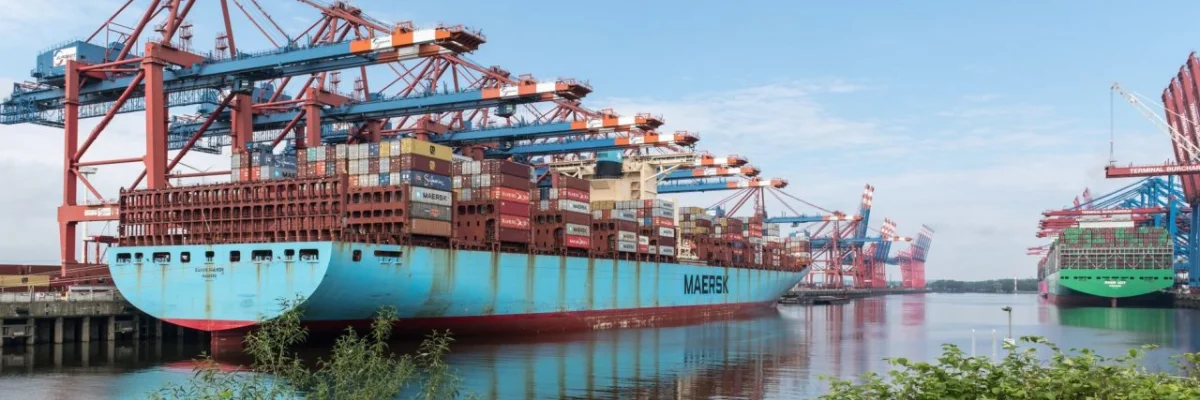
Modern freight forwarding requires a delicate balance between speed, cost management, and complex regulatory compliance. As global trade routes become increasingly volatile, professionals must pivot from traditional manual processes toward data-driven decision making. The digital transformation of logistics is no longer a luxury but a fundamental necessity for survival in a competitive market. By leveraging cloud-based platforms like MakeCargo, forwarders can synchronize their operations, eliminate data silos, and gain real-time visibility across their entire supply chain. This strategic shift not only reduces human error but also empowers teams to focus on high-value client relationships rather than administrative bottlenecks and endless paperwork.
Streamlining Documentation Workflows

Digital documentation remains the backbone of successful logistics operations, yet many firms still rely on fragmented systems. Centralizing your paperwork within a single platform ensures that every stakeholder accesses accurate, up to date records instantly, which significantly reduces the risk of costly processing delays.
- Centralized document management: Consolidate all shipping bills, invoices, and customs documents into one cloud-based location to ensure team members always have access to the latest file versions during daily operations.
- Automated data entry: Reduce manual input errors by utilizing intelligent software features that extract critical information from emails and spreadsheets directly into your core freight forwarding management system.
- Compliance tracking tools: Implement automated alerts that flag missing regulatory documents or impending permit expirations before they escalate into serious issues that might halt your cargo transit schedules.
- Secure cloud access: Enable your global teams to retrieve, edit, and share sensitive shipping documents securely from any location without compromising the integrity of your company data assets.
Adopting these streamlined workflows transforms your daily operational efficiency. By minimizing the time spent on manual document preparation, your staff can dedicate more energy to resolving complex logistical challenges. This transition not only enhances client satisfaction but also establishes a scalable framework that supports long-term business growth in an increasingly demanding global landscape where precision and speed remain the most critical competitive advantages.
Enhancing Real-Time Visibility
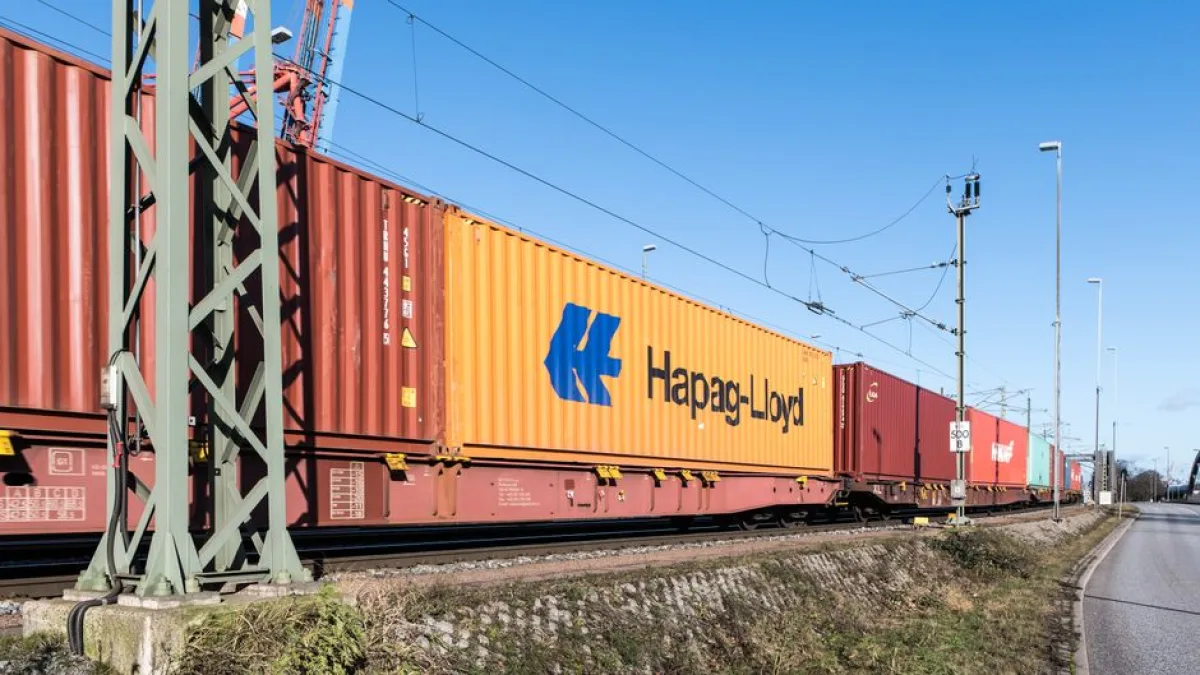
Transparency is the most valuable asset you can provide to your shipping clients. By utilizing automated tracking technologies, forwarders provide live updates on vessel locations, port congestion status, and unexpected delays, effectively turning logistical uncertainty into actionable, reliable client intelligence.
- Live shipment tracking: Provide your customers with a dedicated portal featuring real time status updates on their cargo locations, ensuring they remain informed throughout the entire logistics journey.
- Predictive delay notifications: Use historical data and current port metrics to proactively identify potential disruptions and alert clients before shipping issues impact their supply chain operational goals.
- Carrier performance analytics: Monitor and evaluate the reliability of your shipping partners through detailed reports, allowing you to select the most efficient routes for future cargo bookings.
- Interactive client dashboards: Empower your customers to self-serve by providing intuitive interfaces that display current shipment status, delivery timelines, and associated costs without manual representative intervention.
Visibility serves as the cornerstone of trust in the freight forwarding industry. When clients understand exactly where their goods reside, they feel more secure in their partnership with your firm. Providing this level of clarity reduces the volume of status inquiries handled by your support staff, allowing your team to focus on resolving exceptions rather than answering repetitive questions about transit times.
Improving Financial Accuracy

Inaccurate billing is a common cause of friction between forwarders and their clients. Automating your financial processes ensures that every charge is captured correctly, preventing revenue leakage while building long term credibility through transparent and timely invoicing practices for all parties involved.
- Automated invoice generation: Trigger professional invoices automatically once shipment milestones are achieved, ensuring your finance department maintains a steady cash flow and minimizes the duration of payment cycles.
- Currency conversion precision: Utilize integrated tools that handle multiple currencies in real time, preventing losses due to fluctuating exchange rates during the international freight forwarding billing process.
- Cost audit trails: Maintain a comprehensive digital record of every expense incurred during the shipping process to simplify financial audits and provide clear justifications for client charges.
- Expense management integration: Synchronize your freight software with accounting systems to ensure that all operational costs are reflected accurately in your financial reports without manual reconciliation.
Mastering your financial operations is vital for maintaining a healthy bottom line. By removing the guesswork from billing and expense tracking, you minimize disputes and foster stronger relationships with your customers. A professional financial process demonstrates that your company is reliable and organized, which eventually leads to higher client retention rates and a more robust reputation within the global logistics sector.
Driving Operational Scalability

The ability to handle increased volume without sacrificing service quality defines a successful freight forwarder. Scaling operations requires robust cloud infrastructure that supports your team through peak seasons while maintaining high performance standards regardless of the total number of active shipments currently being processed.
- Flexible resource allocation: Utilize cloud based systems to scale your operations effortlessly as demand increases, ensuring that your team maintains consistent performance levels during seasonal volume spikes.
- Standardized operating procedures: Codify your workflows within the software to ensure that every team member follows identical processes, which simplifies training for new hires during expansion phases.
- Collaborative partner networks: Integrate your software directly with agents and carriers globally to synchronize communications and streamline the exchange of logistics data across your international network.
- Custom report generation: Analyze operational performance across different regions or service lines using customizable reports that highlight growth opportunities and areas requiring urgent strategic process adjustments.
Scalability ensures that your firm can handle the complexities of global trade without suffering from administrative fatigue. By investing in a platform that grows with you, your business remains agile and capable of capturing new market share. This strategic preparation allows you to focus on innovation and service expansion, ensuring you remain a leader in the fast paced world of modern logistics.
Conclusion

Optimizing freight operations requires a commitment to digital tools that enhance visibility, accuracy, and scalability. By integrating these strategies into your daily workflow, you create a resilient foundation for future growth. Emphasizing technology enables your team to move beyond manual constraints and deliver superior results to clients consistently. Start leveraging these powerful digital capabilities today to secure your competitive edge in the evolving global logistics market.