Optimizing Freight Operations for Modern Logistics Efficiency
Friday, July 31 2026
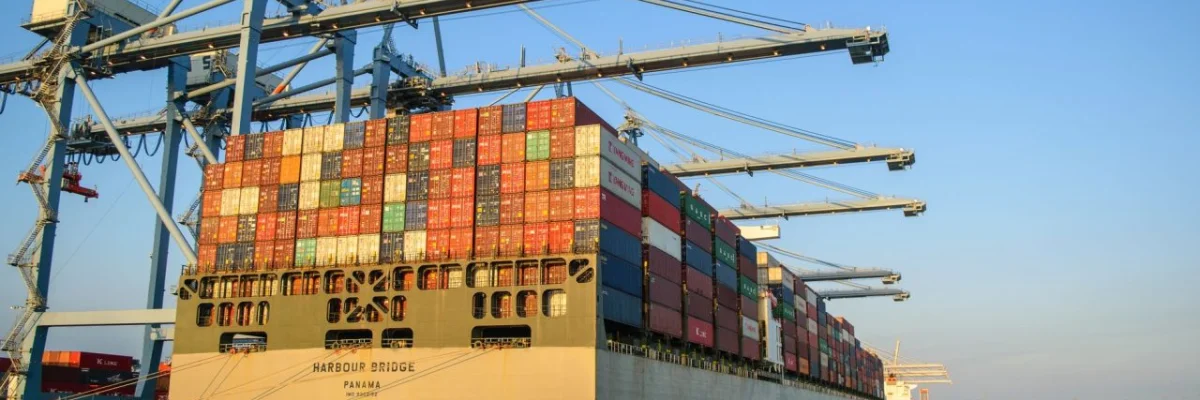
Modern freight forwarding requires a delicate balance between speed, cost management, and complex regulatory compliance. As global trade routes become increasingly volatile, forwarders must move beyond legacy manual systems to survive in a competitive market. Leveraging cloud based technology allows teams to gain real time visibility into cargo movements, reducing human error and boosting overall operational output. By integrating advanced software platforms like MakeCargo, logistics providers can automate repetitive tasks, allowing staff to focus on strategic client relationships. This shift toward digital transformation is no longer a luxury but a fundamental necessity for achieving sustainable growth and operational excellence in today's global supply chain.
Digitizing Operational Workflows
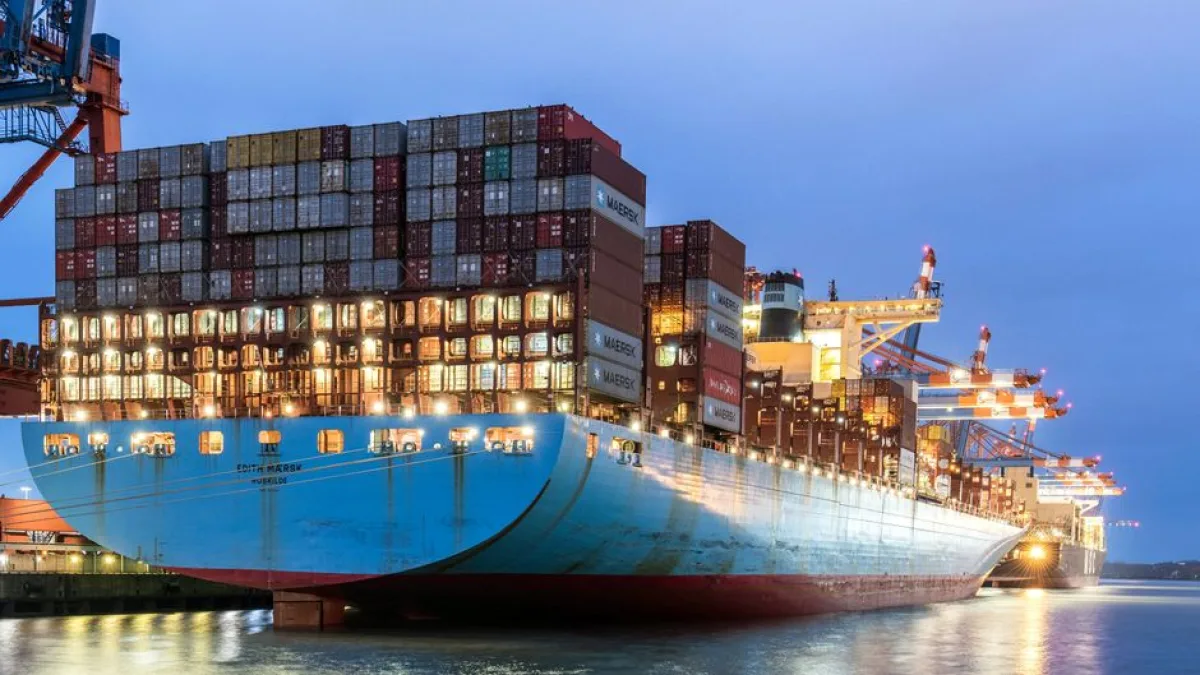
Transitioning from paper based records to digital logistics software creates a unified source of truth for your entire team. This transformation eliminates siloed data and ensures that all stakeholders have instant access to critical shipment information throughout the entire lifecycle.
- Centralized shipment tracking: Consolidate every tracking update and carrier status into one intuitive dashboard to ensure your team never misses a delivery milestone or critical cargo status notification.
- Automated document handling: Reduce manual data entry hours by using intelligent scanning tools that automatically extract shipping details from bills of lading and commercial invoices with high precision.
- Streamlined client portals: Provide your customers with a secure web interface where they can view shipment progress, download invoices, and receive notifications without calling your support desk.
- Real time analytics: Utilize built in reporting tools to analyze performance metrics and identify bottlenecks that hinder your ability to deliver goods on time for your clients.
Adopting digital workflows fundamentally changes how your business handles daily pressure. When information flows freely through a centralized platform, teams spend less time searching for emails and more time solving actual logistics problems. This efficiency gains back precious hours each week, allowing your staff to manage higher volumes of cargo without increasing headcount, directly contributing to your bottom line and overall productivity.
Enhancing Carrier Coordination
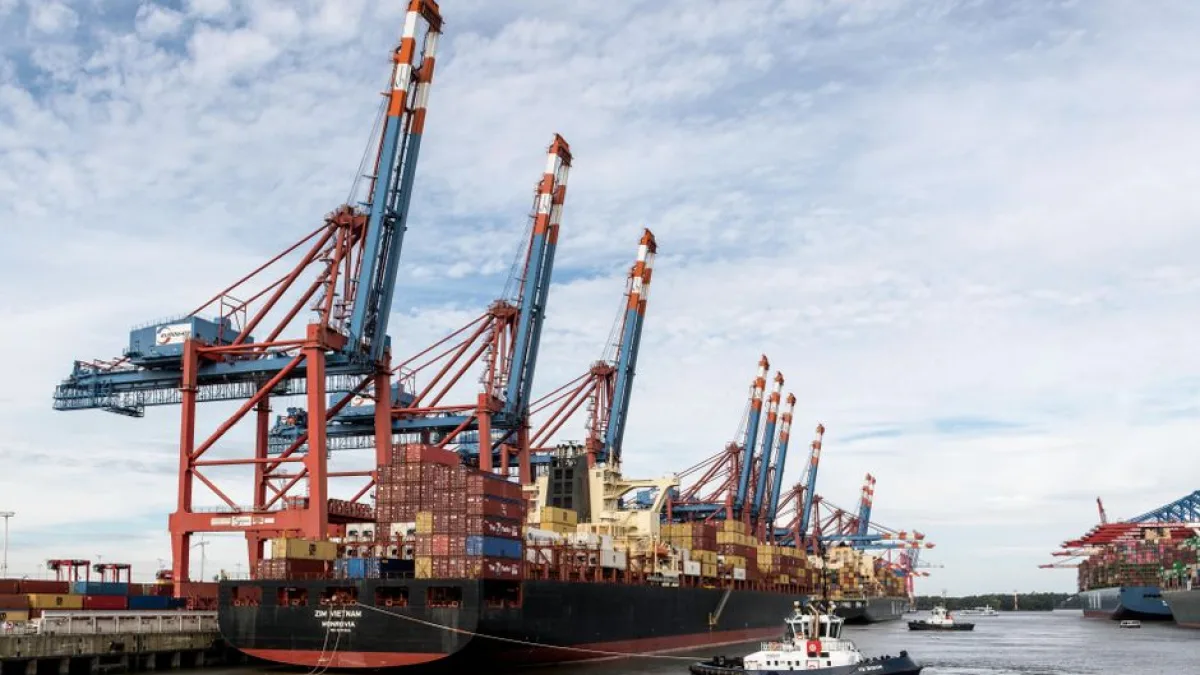
Managing multiple carrier relationships is often the most time consuming aspect of freight forwarding. Successful operators use automated tools to compare quotes, manage capacity, and maintain constant communication with shipping lines to ensure reliable service delivery for their end customers.
- Instant quote comparisons: Rapidly generate and compare shipping rates across multiple ocean and air carriers to provide your customers with the most cost effective options available today.
- Automated carrier booking: Send electronic booking requests directly to carrier platforms to avoid manual errors and secure vessel space faster than competitors using traditional manual methods.
- Dynamic capacity planning: Monitor available shipping space across various trade lanes to proactively adjust your strategy when vessel space becomes limited or carrier schedules undergo sudden changes.
- Transparent rate management: Store all carrier contracts and negotiated rates in a secure digital repository to ensure accurate invoicing and prevent costly billing discrepancies on shipments.
Strong carrier coordination is the backbone of reliable logistics. When you remove manual friction from the booking process, you gain the ability to react faster to market fluctuations. Proactive management of your carrier network ensures that your clients receive consistent service, even during periods of extreme port congestion or global shipping volatility, keeping your operations running smoothly despite external challenges.
Streamlining Financial Processes

Invoicing speed and accuracy directly impact your cash flow and client satisfaction. Implementing automated billing systems minimizes errors and speeds up payment cycles by integrating financial operations directly into your operational software to prevent lost revenue and delays.
- Integrated invoice generation: Automatically create detailed invoices based on actual shipment data to ensure every charge is captured correctly and sent to the client immediately after delivery.
- Automated payment reminders: Set up triggered email notifications that gently remind clients of upcoming or overdue invoices to maintain a healthy cash flow throughout the fiscal year.
- Accurate cost allocation: Map every incoming carrier bill to the correct file or project to simplify expense tracking and improve your gross profit margin analysis capabilities.
- Seamless accounting export: Push financial data directly into your primary accounting software to eliminate the need for double entry bookkeeping and reduce the risk of clerical errors.
Taking control of your finances is essential for scaling your business. By removing the manual burden of creating invoices, your team can focus on improving service delivery. Accurate financial data allows you to make informed decisions about pricing and profitability, ensuring that your freight forwarding operations remain financially healthy and capable of supporting your long term expansion goals in the industry.
Mastering Compliance Management
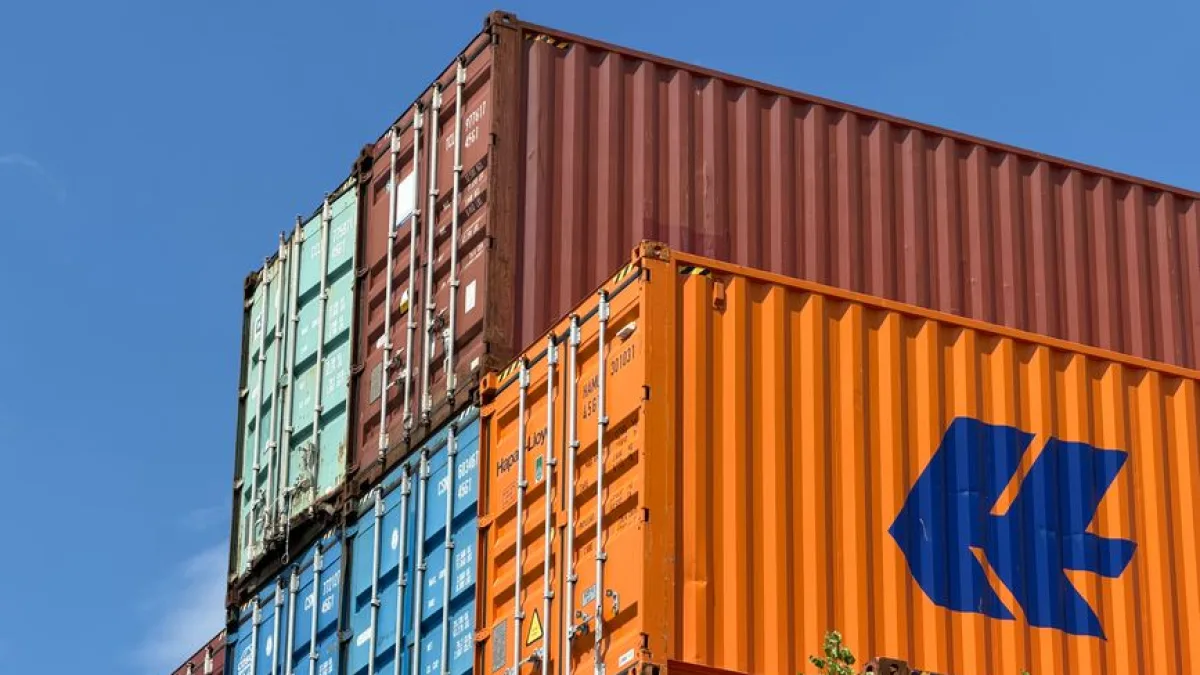
Regulatory compliance is a massive hurdle for modern forwarders. Staying ahead of changing customs requirements and security regulations is critical to avoid fines and cargo delays that can devastate your company reputation and your clients bottom line.
- Automated customs filing: Connect your operations platform directly to customs authorities for faster data submission and error checking that prevents common mistakes on essential shipping documents.
- Digital compliance archives: Maintain a secure cloud repository for all customs documentation and certifications to ensure you are always ready for a sudden regulatory audit or review.
- Risk mitigation alerts: Receive automatic notifications about changes in import or export regulations for specific countries to ensure your shipments always follow current legal requirements everywhere.
- Standardized security protocols: Use software templates to ensure every shipment adheres to mandatory security screenings and documentation standards required for international trade across all major global ports.
Managing compliance through software reduces the stress of global trade complexities. When your team works within a system that enforces rules automatically, the risk of human error drops significantly. This commitment to accuracy builds long term trust with your clients and customs agents alike, ensuring that your freight flows across borders without unnecessary interruptions or expensive penalties from government authorities.
Conclusion

Improving freight operations is a continuous journey that requires the right digital tools to maintain a competitive advantage. By focusing on workflow digitization, carrier management, financial accuracy, and strict compliance, you can build a resilient logistics business. Start your journey toward higher efficiency by integrating advanced software into your daily operations today and watch your productivity and profitability reach new, sustainable heights.