Optimizing Freight Operations for Modern Logistics Efficiency
Sunday, August 9 2026

Modern freight forwarding requires a delicate balance between speed, cost management, and client communication. As global trade networks grow more complex, manual processes are no longer sustainable for firms aiming to scale their operations effectively. By adopting cloud-based technology, logistics professionals can transition from reactive troubleshooting to proactive management. This shift allows teams to automate repetitive documentation tasks, gain real-time visibility into shipments, and provide superior service to stakeholders. Embracing digital transformation is the definitive step for forwarding companies that want to maintain a competitive edge in a fast-paced market where every minute counts toward operational success.
Streamlining Documentation Workflows

Paperwork remains one of the largest bottlenecks in the supply chain, often causing delays at ports or customs checkpoints. Transitioning to digitized documentation reduces errors, enhances data accuracy, and ensures that all parties can access critical files from a unified digital dashboard.
- Automated Data Entry: Implement software solutions that automatically extract information from shipping labels to eliminate manual typing, reducing potential human errors and saving valuable time for your administrative teams.
- Centralized Digital Files: Maintain a secure cloud repository where all shipping documents are stored, allowing team members and partners to retrieve updated files instantly from any global location.
- Standardized Document Templates: Create uniform templates for common forms like bills of lading to ensure consistency across your operations, which helps in maintaining compliance with international trade regulations.
- Real-time Version Control: Use cloud systems to track document changes in real time, preventing confusion over outdated versions and ensuring that all stakeholders act on the latest information.
By shifting away from legacy paper systems, your team can significantly decrease the time spent on manual document processing. This automation allows your experts to focus on strategic growth rather than basic filing duties. As you refine these digital workflows, you will find that your operational capacity grows without the need for additional headcount, creating a leaner and more profitable business model for your future.
Enhancing Real-time Shipment Visibility
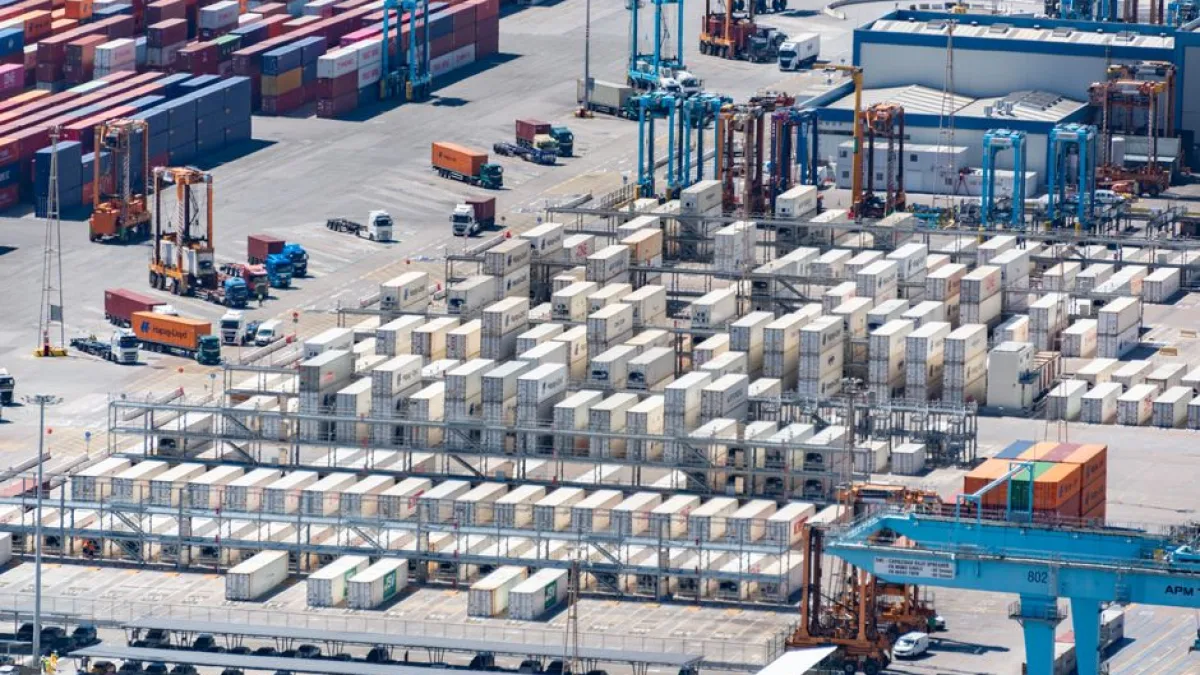
Visibility is the backbone of modern freight forwarding, as clients demand constant updates regarding their cargo status. Leveraging live tracking data empowers your team to identify transit issues early and communicate solutions before they escalate into costly logistics service failures.
- Live Tracking Integration: Connect your platform with carrier APIs to receive automatic updates on container locations, providing your clients with accurate arrival estimates without manual status checks.
- Proactive Issue Alerts: Set up automated notifications that flag delays at transit hubs immediately, giving your operations team the chance to reroute shipments before customers notice issues.
- Client Portal Access: Provide your customers with a secure login to view shipment progress themselves, reducing the high volume of email inquiries your staff must handle daily.
- Carrier Performance Analytics: Analyze tracking data over time to evaluate carrier reliability, which helps you make data-driven decisions when selecting vendors for future high-priority shipping routes.
Providing radical transparency transforms the relationship between the forwarder and the shipper. When clients can view their cargo status around the clock, trust increases and communication overhead drops significantly. This high level of service differentiates your brand in a crowded market and builds long-term loyalty that is difficult for competitors to disrupt through pricing alone, cementing your position as a trusted partner.
Mastering Carrier Rate Management

Managing fluctuating freight rates requires a sophisticated approach to data analysis and vendor negotiations. Keeping up with market volatility is difficult without centralized tools that allow you to compare carrier offerings and optimize your margins on every single booking.
- Automated Rate Comparisons: Utilize software to pull and compare multiple carrier rates in one view, helping your team identify the most cost-effective shipping options for clients.
- Dynamic Pricing Models: Implement algorithms that adjust your service margins based on real-time market fluctuations, ensuring that you maintain profitability even during periods of high price volatility.
- Contract Management Tools: Organize all carrier agreements in a digital folder that flags expiration dates automatically, ensuring that you never lose access to your most competitive rates.
- Historical Cost Analysis: Review past shipment data to identify trends in spending, which allows your procurement team to negotiate better volume discounts with your preferred shipping partners.
Efficient rate management is essential for maintaining healthy margins in the freight industry. By moving away from spreadsheets and using integrated software, you gain total clarity on your pricing strategy. This enables your team to react quickly to market changes, providing competitive quotes that win business while protecting your bottom line from unexpected surges in carrier costs or seasonal shipping demand.
Scaling Through Team Collaboration

Collaboration is the hidden engine of efficient freight operations, requiring clear communication between sales, operations, and accounting departments. Breaking down silos creates a unified company culture where information flows freely and every team member understands their role in the delivery process.
- Shared Task Management: Use collaborative platforms to assign shipping tasks to specific team members, ensuring that every booking has clear ownership and accountability throughout the entire lifecycle.
- Internal Communication Channels: Reduce reliance on scattered email threads by using integrated messaging tools that keep discussions linked to specific shipments for better context and history.
- Role-Based Access Control: Define specific permissions for different staff members to ensure that sensitive financial or operational data remains secure while providing necessary access for productivity.
- Unified Performance Metrics: Establish company-wide KPIs that track team performance on key tasks, encouraging a culture of continuous improvement and shared success across all your operational departments.
A collaborative team is far more resilient when facing the daily pressures of the global supply chain. When your staff uses shared tools to communicate, mistakes decrease and the overall customer experience improves significantly. Investing in these organizational habits allows your business to scale gracefully, enabling your staff to handle higher volumes of shipments while maintaining the high quality service your clients expect.
Conclusion

Optimizing your freight operations requires a combination of technology, strategy, and teamwork. By automating documentation, enhancing shipment visibility, managing rates effectively, and fostering collaboration, you create a robust foundation for growth. Start by auditing your current processes to identify the most significant bottlenecks, then implement targeted solutions to improve efficiency. Your commitment to digital transformation will ultimately drive better results for your clients.