Optimizing Freight Operations for Modern Logistics Efficiency
Wednesday, August 12 2026
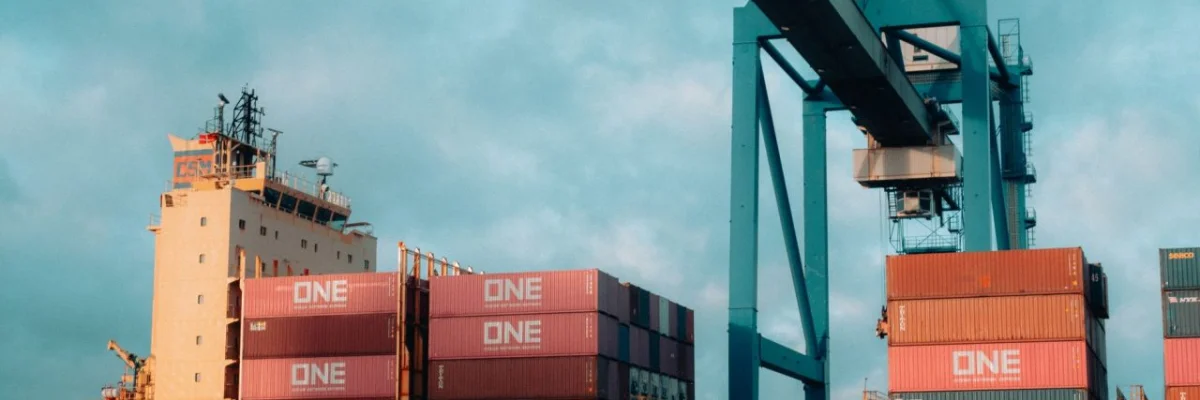
Modern freight forwarding requires a delicate balance between speed, cost management, and precision tracking. As global supply chains grow increasingly volatile, professionals must pivot away from manual spreadsheets and disconnected communication tools. Embracing integrated digital solutions allows teams to automate repetitive tasks, reduce human error, and provide real time visibility to their global clientele. By focusing on data driven decision making and streamlined workflows, forwarders can reclaim valuable hours previously lost to administrative bottlenecks. Mastering these operational strategies is essential for any business aiming to scale sustainably while maintaining high service standards in an ever evolving and highly competitive logistics landscape.
Digitizing Operational Workflows
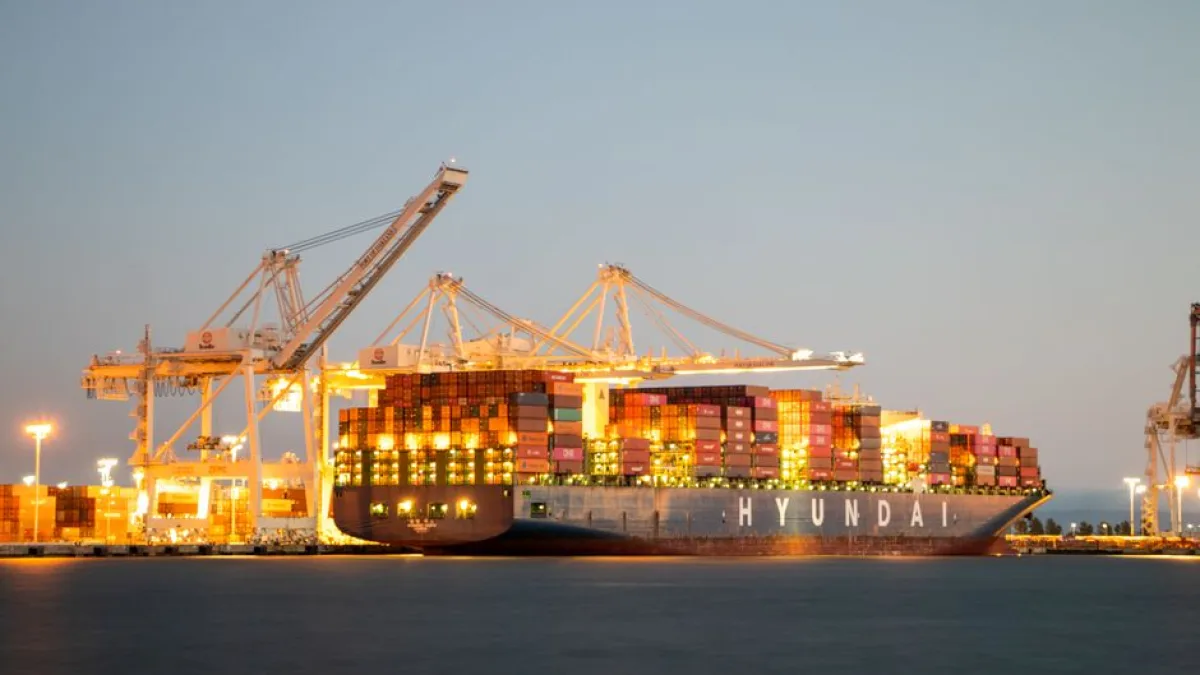
Transitioning from paper based systems to digital platforms is the first step toward true operational excellence. This shift enables teams to unify disparate data streams into a single source of truth that powers every aspect of the shipping journey.
- Automated Data Entry: Implement software that automatically extracts information from bills of lading and invoices to eliminate manual typing errors and speed up the entire documentation processing cycle significantly.
- Centralized Document Storage: Maintain a secure cloud based repository where all customs filings and commercial invoices are instantly accessible to authorized personnel from any location around the globe.
- Workflow Automation Tools: Utilize triggered tasks that notify team members whenever a shipment milestone is reached to ensure that project management stays proactive rather than purely reactive today.
- Real Time Integration: Connect your internal systems directly with carrier APIs to receive instant updates on vessel schedules and status changes without requiring constant manual tracking checks.
Digital transformation reduces the friction associated with traditional logistics management by providing a clear overview of every active shipment. When your team spends less time hunting for documents or updating spreadsheets, they can devote their energy to solving complex logistics problems. This efficiency boost not only improves internal productivity but also directly enhances the client experience through faster, more reliable communication and delivery.
Managing Carrier Relationships
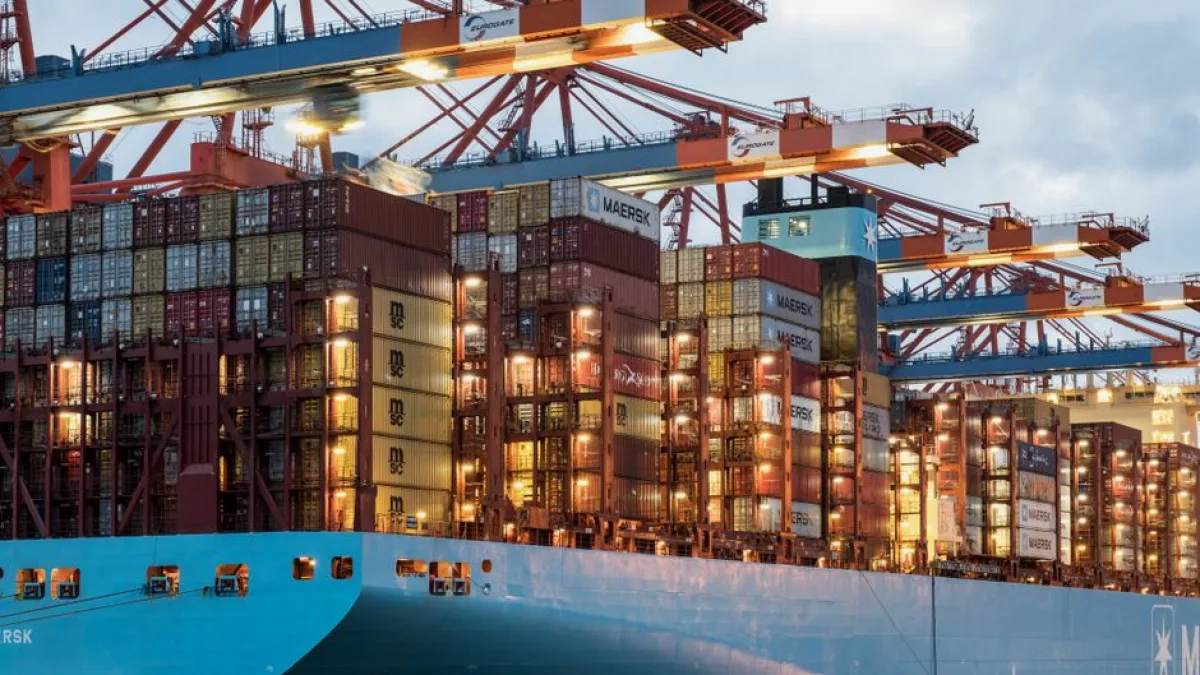
Strong partnerships with ocean carriers and trucking fleets are vital for securing consistent space during peak seasons. Effective forwarders leverage data to prove their reliability, which helps in negotiating better rates and priority status for their critical cargo.
- Performance Monitoring Metrics: Track carrier punctuality and service quality through detailed analytics to identify reliable partners and discontinue working with those who consistently fail to meet deadlines.
- Effective Rate Negotiation: Use historical shipping data and volume projections to negotiate competitive pricing contracts that align with your company goals and current market demand trends.
- Streamlined Communication Channels: Establish clear and consistent protocols for interacting with carrier representatives to resolve shipping delays and operational disputes with minimal friction and maximum speed.
- Strategic Capacity Planning: Forecast your future cargo volumes based on past trends to secure necessary space allocations well in advance of seasonal surges or potential market disruptions.
Deepening your carrier relationships requires a combination of transparency and data based foresight. By sharing accurate forecasts with your partners, you build the trust necessary to weather unexpected capacity shortages. These robust professional ties act as a competitive buffer during turbulent market cycles, ensuring that your clients receive the consistent, high quality service they expect despite broader global supply chain instability.
Enhancing Shipment Visibility

Providing clients with precise, transparent updates is the hallmark of a professional freight forwarder. Visibility is no longer a luxury feature, but a requirement for maintaining long term customer retention in a fast moving global market.
- Proactive Status Notifications: Send automated alerts to customers whenever a shipment enters a new port or encounters a delay to ensure they are always informed and prepared.
- Customer Tracking Portals: Offer a user friendly client dashboard that allows your customers to view their shipment progress independently without needing to call for frequent updates.
- Exception Management Alerts: Set up internal triggers that notify your operations team immediately if a cargo package is flagged for customs inspection or misses a connection.
- Predictive Arrival Analytics: Utilize historical transit time data to provide your clients with accurate estimated arrival dates that factor in common port congestion and typical weather.
Enhanced visibility builds trust and empowers clients to plan their inventory cycles with much greater precision. When forwarders offer high levels of transparency, they shift the conversation from reactive troubleshooting to strategic supply chain planning. This shift transforms your company from a simple service provider into an indispensable business partner, ultimately driving client loyalty and long term profitability in the logistics industry.
Streamlining Customs Compliance
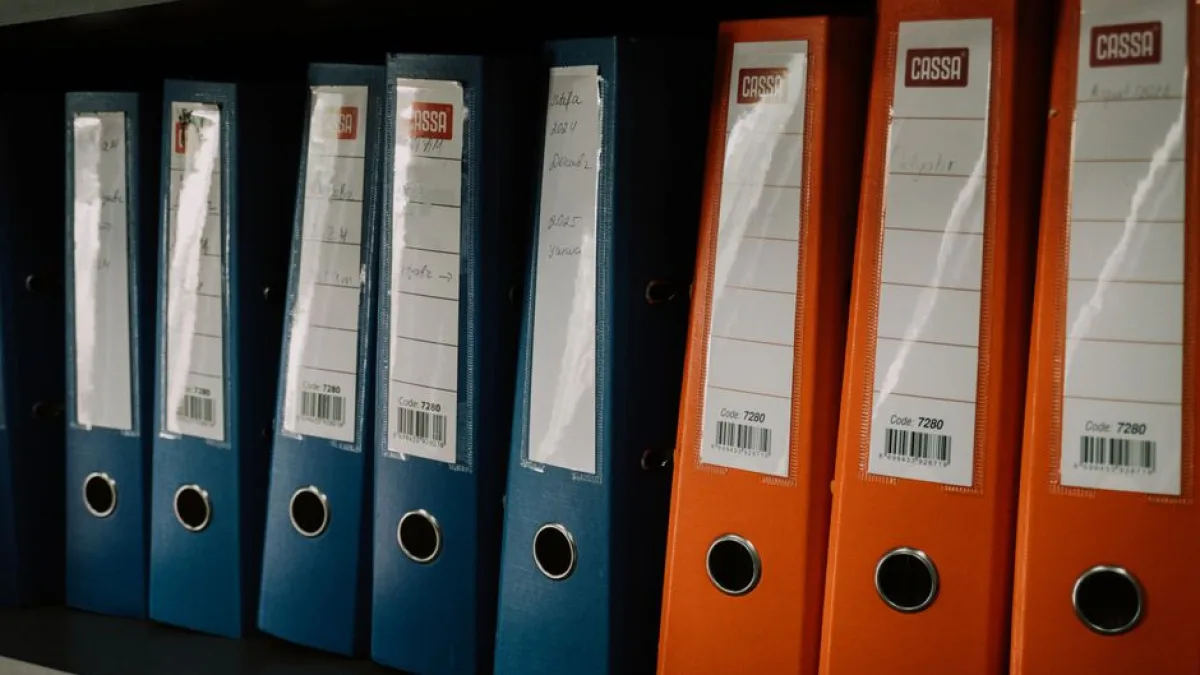
Navigating the complex maze of international customs regulations is a major challenge for any forwarder. Accuracy in documentation is critical to preventing costly delays and avoiding heavy penalties during the cargo import and export transit processes.
- Automated Compliance Checks: Use software modules that run automated checks against updated customs tariff codes and government regulations to ensure every declaration is accurate before submission.
- Digital Document Verification: Employ systems that verify the completeness of all required permits and certificates of origin to avoid issues at border crossings and major ports.
- Standardized Filing Processes: Create uniform templates for all common customs filings to ensure consistency across your team and reduce the learning curve for new logistics employees.
- Direct Customs Integration: Link your operational software directly with national customs authorities to facilitate faster electronic filing and real time feedback on your cargo declaration status.
Mastering customs compliance is essential to maintaining your operational reputation and avoiding profit eroding fines. By automating verification and standardizing your submission processes, you minimize the risk of human error in sensitive regulatory tasks. This meticulous approach to compliance not only accelerates the movement of goods through borders but also demonstrates a level of professionalism that attracts high value international shipping clients.
Conclusion

Success in freight forwarding relies on the seamless integration of technology and professional relationships. By digitizing workflows, nurturing carrier ties, improving visibility, and ensuring strict compliance, forwarders can significantly optimize their operations. Start your journey toward higher efficiency by auditing your current processes today. Our platform is designed to support these improvements, helping you grow your logistics business and deliver superior service to your clients.