Optimizing Freight Operations for Modern Logistics Efficiency
Friday, August 14 2026
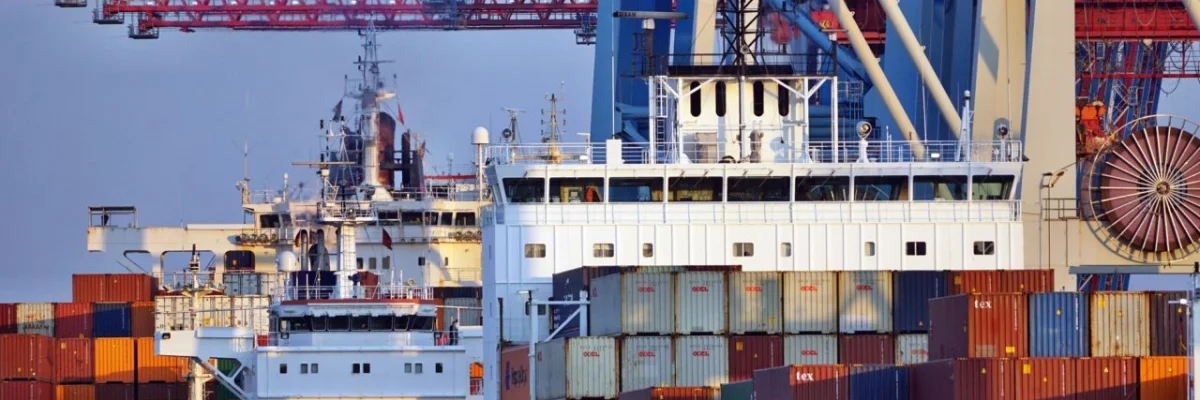
Freight forwarding is currently navigating a period of unprecedented digital transformation that requires forward-thinking companies to re-evaluate their internal operational frameworks. As global supply chains become increasingly volatile, the ability to manage documentation, track shipments, and coordinate with carriers in real-time has shifted from a competitive advantage to a fundamental survival necessity. Professionals in this sector must now embrace cloud-based solutions to eliminate bottlenecks, reduce manual entry errors, and provide superior visibility to their clients. By modernizing legacy workflows, forwarders can reclaim valuable time and focus on scaling their business rather than chasing status updates across multiple fragmented spreadsheets.
Automating Documentation Flows

Streamlining the documentation process is essential for maintaining a high velocity of cargo movement. By digitizing paperwork and using automation, freight forwarders can significantly reduce the hours spent on repetitive administrative tasks while minimizing costly human input mistakes.
- Instant Document Generation: Automate the creation of commercial invoices and packing lists directly from existing shipment data to ensure accuracy and compliance across all international shipping documentation processes immediately.
- Centralized Document Storage: Maintain a single source of truth for all shipping records by hosting files in a secure cloud environment accessible to authorized internal stakeholders at any time.
- Automated Compliance Checks: Utilize integrated software tools to flag missing or incorrect data in customs declarations before they result in expensive delays at the busy border crossing points.
- Digital Signature Integration: Accelerate the approval cycle by implementing electronic signature capabilities that allow global partners to sign off on essential documents from any remote location worldwide.
Adopting these digital documentation strategies transforms back-office productivity by allowing teams to handle higher volumes without increasing headcount. When manual data re-entry is removed from the equation, operations become more reliable and resilient against disruption. This shift not only improves staff morale by removing mundane data entry tasks but also ensures that every shipment adheres to the strict regulatory standards required for global trade.
Real-Time Shipment Tracking
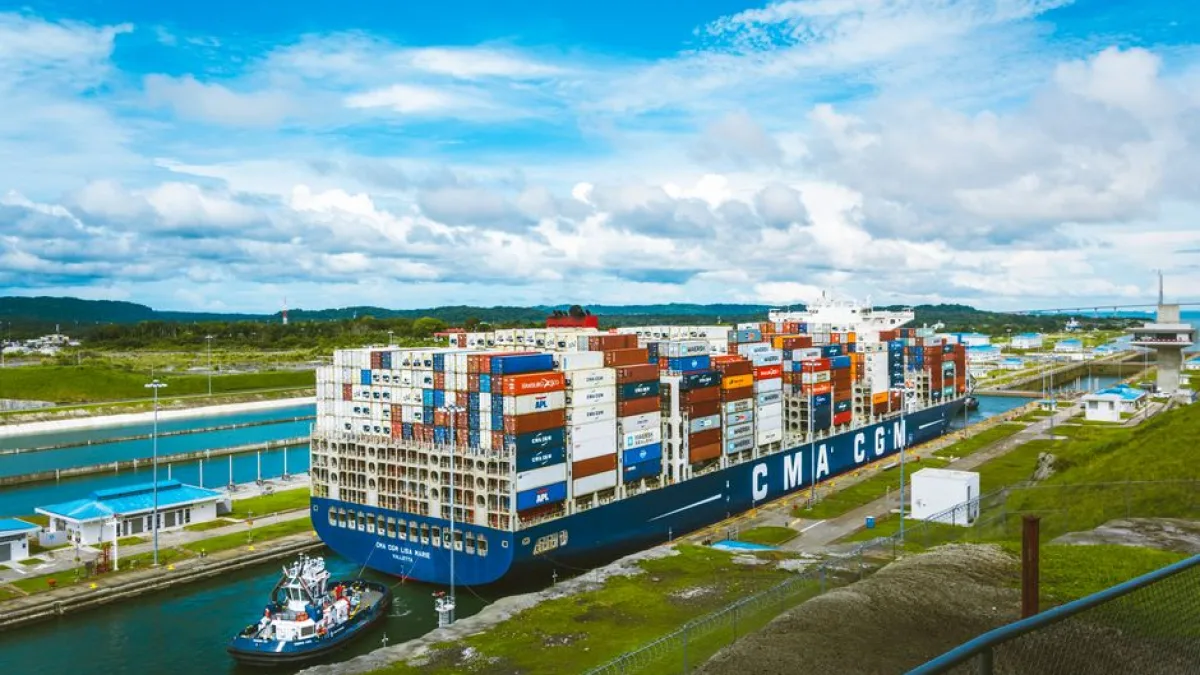
Visibility is the backbone of modern freight forwarding services that build lasting client trust. Providing clients with live tracking capabilities ensures they remain informed about their cargo status throughout the entire journey from the warehouse to the destination.
- Live Status Updates: Integrate direct carrier API feeds to provide automatic notifications to customers whenever their cargo reaches a milestone or faces unexpected delays in the global network.
- Proactive Problem Solving: Identify bottlenecks early in the transit process to allow your team enough time to reroute shipments or update clients before critical schedules are severely affected.
- Client Visibility Portals: Offer a customized dashboard where customers can log in to view their shipping progress without requiring phone calls or emails to your busy staff.
- Mobile Access Tools: Enable operations teams to monitor critical shipments on the go using mobile devices, ensuring that they can address urgent inquiries from any location daily.
Delivering high-level visibility requires moving beyond static updates provided by carriers. By consolidating tracking data into a unified platform, forwarders can provide a proactive service experience that keeps shippers satisfied. This level of transparency prevents the dreaded information black holes that lead to client frustration. As a result, businesses that invest in tracking technology tend to see significantly higher levels of customer retention.
Optimizing Carrier Management

Managing a diverse network of reliable carriers is a complex challenge that demands high levels of coordination and oversight. Centralizing carrier relationships allows firms to negotiate better rates and ensure service quality across every lane they operate worldwide.
- Carrier Performance Tracking: Maintain detailed records of carrier reliability and pricing history to make data-driven decisions when selecting partners for your specific high-value client shipment requirements.
- Unified Communication Channels: Reduce friction in communication by using dedicated platform messaging tools that link your operations team directly with carrier representatives for faster resolution of issues.
- Automated Rate Requests: Deploy digital tools that allow your team to broadcast rate requests to multiple carriers simultaneously, gathering competitive quotes in minutes rather than waiting days.
- Performance Analytics Dashboards: Analyze historical carrier performance data to identify trends in service levels and pricing, allowing for strategic planning during your annual contract negotiations with partners.
Effective carrier management is about building strategic partnerships that last beyond a single booking. When you have full control over your carrier network data, you can optimize route selection to save costs while maintaining excellent service quality. Using software to track these relationships turns messy email threads into actionable intelligence. This approach provides a clear advantage in a market where efficiency dictates overall profit margins.
Enhancing Financial Accuracy

Financial reconciliation remains one of the most time-consuming aspects of freight forwarding operations. Ensuring that invoices match the agreed-upon rates is critical for protecting the margins of your logistics company and preventing significant revenue leakage over time.
- Automated Invoice Matching: Compare incoming carrier invoices against original quotes and booking confirmations automatically to detect discrepancies instantly, saving hours of manual audit work every single week.
- Seamless Accounting Sync: Connect your freight software directly with your financial systems to ensure that revenue and cost data flow correctly without any manual reconciliation steps needed.
- Dynamic Profit Tracking: Monitor the profitability of each shipment in real-time as costs and revenue are recorded, providing immediate insights into the performance of your daily operations.
- Tax Compliance Automation: Simplify the calculation of taxes and currency conversions by utilizing automated tools that handle complex financial regulations for different countries and regions of trade.
Maintaining tight control over your financial operations is essential for long-term growth and stability. By automating the reconciliation process, you eliminate the risk of missing charges that eat into your margins. Furthermore, accurate financial reporting allows leadership to make informed decisions about future investments. A robust digital foundation ensures that your billing is always transparent, timely, and correct, which strengthens relationships with carriers.
Conclusion

Modernizing your freight operations is not merely a technical upgrade but a necessary evolution for staying competitive in the logistics industry. By automating documentation, enhancing shipment visibility, managing carrier partners, and stabilizing financial accuracy, your business gains the agility needed to handle rapid market shifts. Start auditing your current workflows today to identify the most critical areas where technology can improve your overall output.