Optimizing Freight Operations for Modern Logistics Efficiency
Sunday, August 23 2026
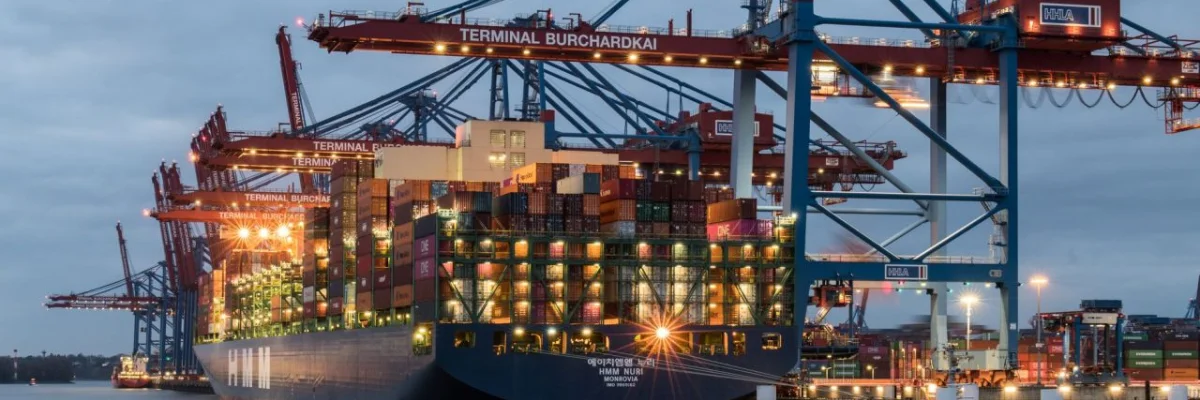
Freight forwarding is currently undergoing a radical transformation as global supply chains become more complex and data centric. Professionals in this sector face constant pressure to reduce transit times while managing volatile capacity constraints across air, sea, and land transport. By integrating advanced cloud technology into core daily workflows, forwarders can automate manual tasks and gain real time visibility over shipments. This article explores how modern tools help streamline operations, improve carrier collaboration, and ensure that every cargo movement is handled with precision to meet the rising demands of today's fast moving global trade environment.
Digitizing Documentation Workflows
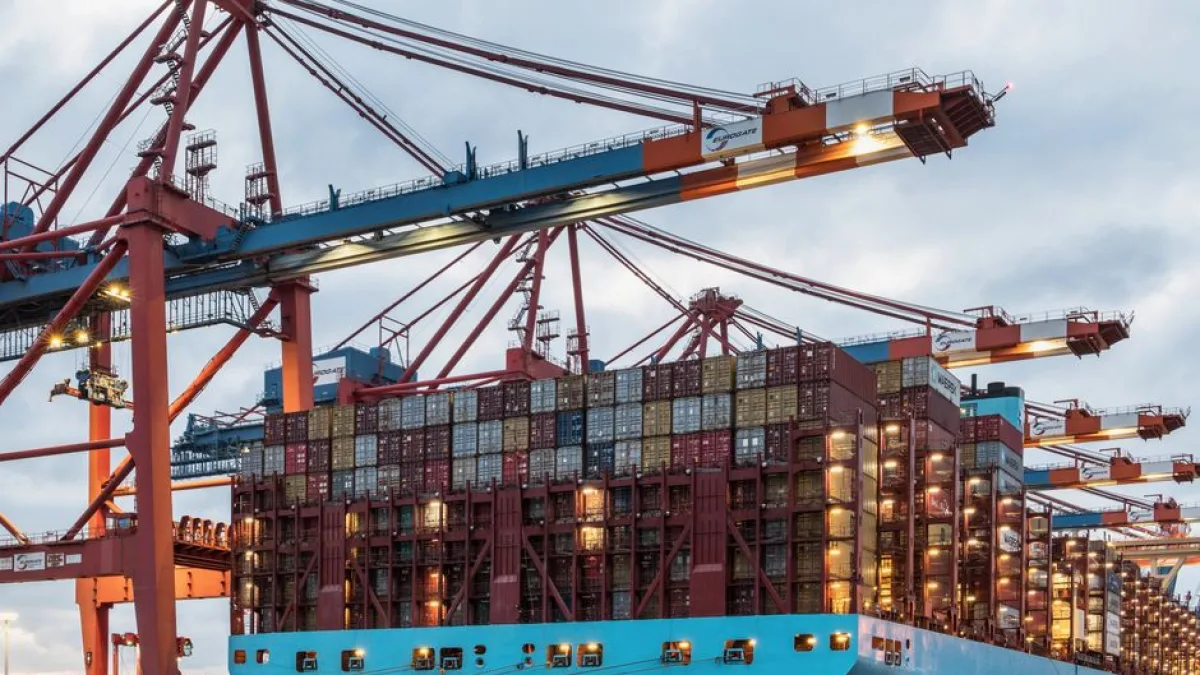
Manual paperwork often causes significant bottlenecks in logistics workflows, leading to delays and human errors during the customs clearance phase. Digitizing these documents ensures that information flows seamlessly between stakeholders, reducing the administrative burden on your operations team significantly today.
- Automated Data Entry: Implement smart scanning technology to capture shipment details directly from bills of lading and commercial invoices, eliminating repetitive manual typing and reducing costly entry mistakes across systems.
- Centralized Cloud Storage: Maintain a single source of truth where every shipment file is stored securely, allowing remote teams to access critical documents instantly without searching through physical archives.
- Digital Signature Integration: Accelerate the approval process by utilizing integrated electronic signature tools, which allow shippers and carriers to validate documents from any location in mere seconds instead of days.
- Version Control Management: Utilize automated tracking for document changes, ensuring that all team members always work from the latest version of a file to prevent miscommunication regarding cargo details.
Transitioning to a paperless environment is no longer an optional upgrade for competitive freight forwarders but a fundamental requirement. By removing physical document handling from the daily routine, your staff can focus on high value activities like problem solving and customer support. This shift reduces the operational cost per shipment while drastically improving the speed and accuracy of your entire logistics lifecycle management process.
Enhancing Real Time Visibility
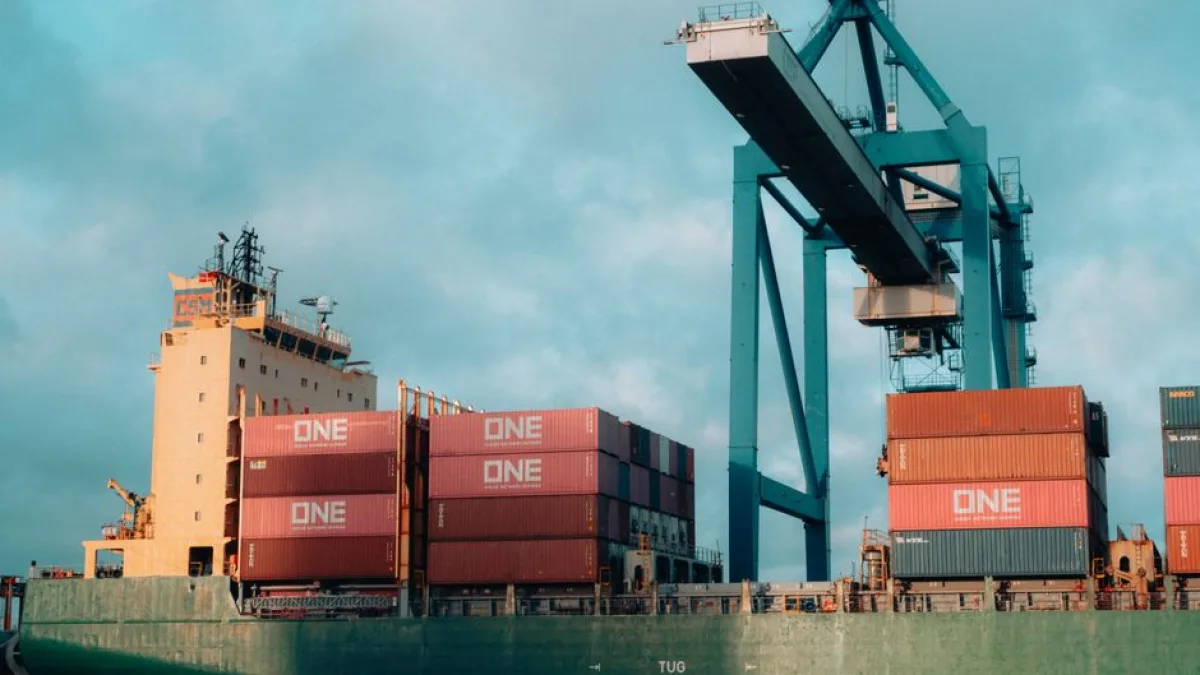
Visibility is the backbone of customer satisfaction in the modern freight industry, as clients demand instant updates on their cargo locations. Utilizing cloud based platforms allows forwarders to provide proactive notifications, transforming how you communicate status updates to stakeholders effectively.
- Live GPS Tracking: Integrate live location data from carrier portals directly into your management dashboard, providing clients with granular visibility into their cargo progress during every transport leg.
- Proactive Milestone Alerts: Configure automated status notifications that trigger based on shipment milestones, ensuring your customers remain informed about delays or arrivals without needing to call for updates.
- Integrated Carrier APIs: Leverage direct connections with major ocean and air carriers to pull live status updates into your software, removing the need for manual status checking.
- Predictive Delay Analytics: Use historical data insights to anticipate potential bottlenecks at specific ports or terminals, allowing your team to proactively suggest alternative routes to your clients.
Providing exceptional visibility establishes trust and strengthens long term relationships with your shipping partners. When customers can view their shipment journey through a branded portal, the volume of status inquiries decreases, allowing your operations team to manage larger cargo volumes. This level of transparency distinguishes your business in a crowded market and builds a reputation for reliability and professional excellence globally.
Streamlining Carrier Communications

Effective collaboration with carriers is essential for successful shipment execution in an industry where communication gaps lead to expensive delays and cargo misrouting. Using dedicated communication tools helps centralize all discussions, ensuring that every participant stays aligned throughout the process.
- Centralized Message Hubs: Keep all carrier correspondence linked directly to specific shipment files, ensuring that important context is never lost in overflowing personal email inboxes during busy seasons.
- Automated Booking Requests: Standardize your booking process by using digital templates that send uniform requests to carriers, reducing back and forth clarifications regarding weight and dimensions for cargo.
- Carrier Performance Tracking: Monitor key performance indicators for each partner, allowing your operations team to make data driven decisions when selecting the most reliable carriers for shipments.
- Integrated Dispute Resolution: Simplify the process of resolving invoice discrepancies by providing a dedicated channel to discuss billing issues directly within the shipment record for faster closure.
Optimizing how your team interacts with external carriers reduces friction and accelerates the overall pace of logistics operations. By fostering a collaborative environment where information is accessible to authorized parties, you reduce the time spent chasing updates. This structured approach to communication creates a more predictable workflow that minimizes errors and helps your team maintain high service standards even during peak demand periods.
Automating Financial Accounting Processes

Financial reconciliation remains one of the most time consuming aspects of freight forwarding, often involving complex tariff calculations and multi currency invoice management. Automating these fiscal workflows prevents revenue leakage and ensures that your cash flow remains healthy consistently.
- Automated Invoice Matching: Automatically compare carrier invoices against original purchase orders and quotes to identify discrepancies, ensuring that you only pay the amounts that were originally agreed upon.
- Currency Conversion Automation: Utilize built in tools that apply current exchange rates to international freight charges, eliminating manual calculation errors and ensuring accurate reporting for your finance department.
- Integrated Accounting Systems: Synchronize your freight management software with accounting platforms to ensure that revenue and expenses are posted instantly without needing manual data exports or re-entry.
- Automated Payment Reminders: Send timely electronic notifications to clients regarding pending payments, which helps accelerate your accounts receivable cycle and improves overall liquidity for your freight forwarding firm.
Automating your financial processes transforms the accounting department from a source of bottlenecks into an efficient operational engine. By ensuring that billing is precise and timely, you reduce the number of customer disputes and increase the speed of payment cycles. These improvements allow your business to scale effectively, providing the financial stability required to invest in further growth and new technology initiatives.
Conclusion
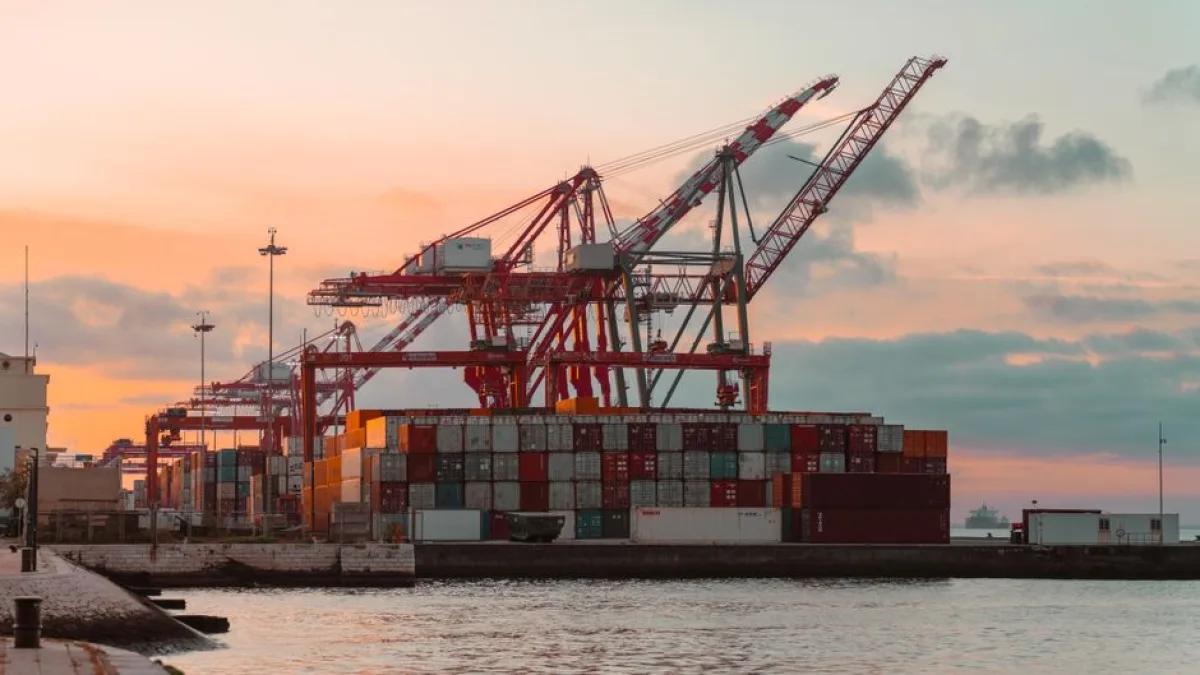
Embracing digital transformation is essential for freight forwarders aiming to stay competitive in an evolving logistics landscape. By optimizing documentation, improving visibility, streamlining communication, and automating finance, your firm can achieve new levels of operational efficiency. Leverage these cloud based strategies to reduce costs and enhance service quality today. Start refining your current freight operations by adopting smarter tools designed for modern logistics success.