Optimizing Freight Operations for Modern Logistics Efficiency
Monday, August 24 2026
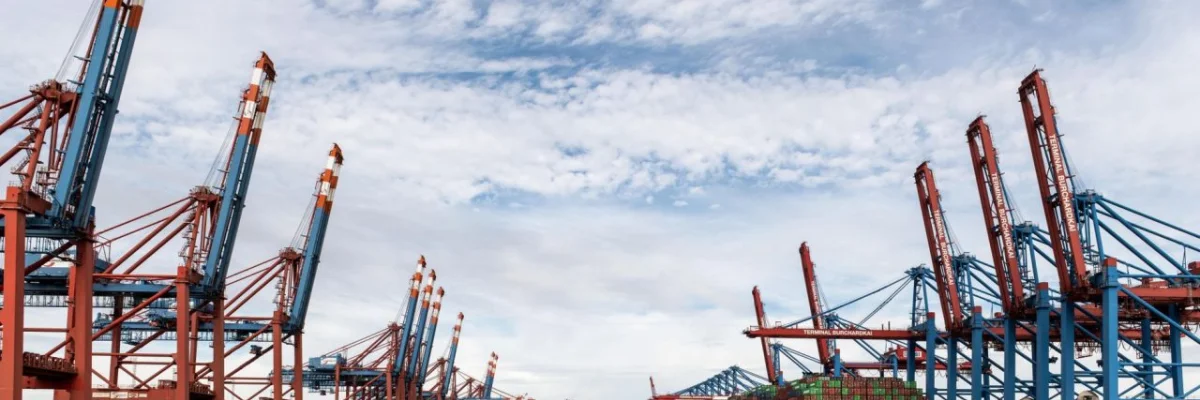
Modern freight forwarding is an increasingly complex landscape where speed and visibility define competitive success. As global trade volumes fluctuate and supply chain disruptions become common occurrences, freight forwarders must transition from manual legacy processes to integrated digital ecosystems. Achieving operational excellence requires a strategic approach to data management, vendor coordination, and real-time tracking. By leveraging cloud-based platforms like MakeCargo, logistics professionals can replace fragmented spreadsheets with automated workflows that ensure accuracy across every shipment stage. This evolution is no longer an optional upgrade but a fundamental necessity for companies aiming to thrive within the fast-paced, high-stakes international shipping market.
Automating Shipment Documentation

Manual data entry remains one of the primary sources of errors in the logistics industry. By implementing automated document processing, freight forwarders can significantly reduce their administrative burden while improving data integrity, allowing teams to focus on high-value client communication instead.
- Automated Data Capture: Modern platforms utilize advanced technology to scan and extract information from bills of lading or commercial invoices, populating your database instantly to save precious team time.
- Standardized Document Templates: Creating consistent formats for all shipping documents ensures compliance with international regulations and simplifies the internal review process for your experienced customs brokerage operations staff.
- Cloud-Based Archiving: Storing all shipment documentation in a secure, centralized cloud repository enables instant retrieval and auditing capabilities that are essential during complex port authority inspections or disputes.
- Integration With Customs: Directly connecting your document management software to local customs authorities minimizes manual filing steps and helps your team clear goods through international borders much faster.
Digital transformation in documentation is the bridge between chaotic manual workflows and streamlined logistical success. When you reduce the reliance on paper trails and human-driven data entry, you minimize the risk of costly clearance delays. Adopting these technologies allows your business to scale operations without increasing headcount, providing a stable foundation for growth while maintaining top-tier quality standards for your global shipping clients.
Real-Time Cargo Visibility
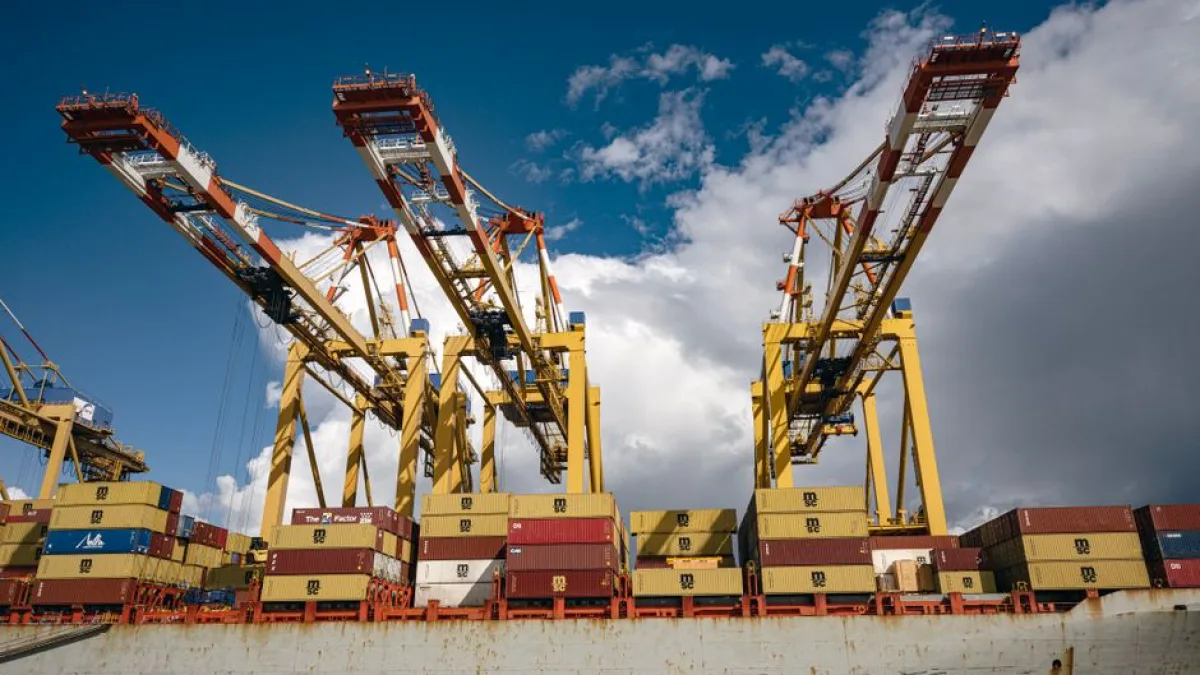
Providing clients with live tracking updates is now a standard requirement rather than a premium service. Leveraging real-time data allows forwarders to proactively manage expectations, solve potential transit issues before they escalate, and provide superior transparency during every shipment.
- Live Tracking APIs: Connecting your freight platform directly to carrier tracking systems ensures that your clients receive the most accurate location updates for their ocean or air shipments.
- Exception Alerts System: Automated notification protocols trigger immediate updates to your operations team when a shipment deviates from its planned schedule or gets stuck at transit hubs.
- Customer Portal Access: Giving your clients a secure login to view their own shipment status reduces the number of incoming emails and phone calls regarding package locations.
- Proactive Problem Solving: Real-time visibility provides the necessary data to re-route cargo quickly when port strikes or weather events threaten to delay your clients important delivery timelines.
Transparency is the hallmark of a professional freight forwarder who values client retention and long-term trust. When logistics providers offer a clear view of the supply chain, they empower their clients to make informed business decisions. This proactive approach transforms the forwarder from a service provider into a strategic partner, effectively insulating the organization against the common frustrations caused by poor communication and tracking.
Vendor and Carrier Management

Effective collaboration with carriers, trucking companies, and overseas agents is vital for maintaining margins. Developing a structured system for evaluating vendor performance ensures you partner with reliable entities that uphold your service standards and deliver consistent results throughout.
- Centralized Vendor Database: Keep all carrier contact information, performance history, and negotiated rate sheets in one searchable location to ensure quick selection based on your specific requirements.
- Automated Rate Requests: Send bulk requests to your trusted carrier network with a single click, allowing you to compare quotes side-by-side to find the most cost-effective option.
- Performance Analytics Dashboards: Track key performance indicators like on-time delivery percentages and billing accuracy for every vendor to identify top performers versus those who create frequent delays.
- Standardized Billing Procedures: Streamlining how you receive and process carrier invoices ensures that you avoid double payments and disputes while maintaining healthy relationships with your vital logistics partners.
Managing a vast network of service providers requires precision and clear communication channels. When you utilize software to automate your vendor interactions, you remove the guesswork from rate negotiations and service evaluations. A well-managed carrier base leads to smoother operations, better pricing leverage, and a more resilient supply chain that can withstand the inevitable disruptions found in today's unpredictable global shipping environment.
Data-Driven Decision Making

Moving beyond gut instinct allows logistics companies to optimize their margins effectively. By analyzing historical shipment data and operational patterns, forwarders can identify hidden inefficiencies, refine their pricing strategies, and allocate their resources toward the most profitable and high-performing client accounts.
- Profitability Analysis Reports: Examine individual shipment profit margins by subtracting all direct and indirect costs, allowing you to adjust your pricing strategies for maximum financial gain each quarter.
- Volume Trend Forecasting: Use historical data to predict peak shipping seasons, ensuring that your team is adequately staffed and prepared to handle increased demand during busy months.
- Lane Efficiency Reviews: Identify specific shipping routes that consistently perform well and those that result in frequent financial losses, enabling you to optimize your service offerings accordingly.
- Resource Allocation Strategy: Assign your most talented employees to handle your most complex or high-value accounts, ensuring that your best assets are always protecting your biggest investments.
Data is the most valuable asset for any modern logistics company that wants to stay ahead of the competition. By systematically collecting and reviewing performance metrics, leadership can steer the company toward sustained profitability. This analytical mindset removes bias from operational changes, ensuring that every adjustment is backed by concrete evidence and designed to improve the overall health of your freight forwarding business.
Conclusion

Optimizing your freight operations is a continuous journey that requires the right digital tools and a commitment to data-driven improvement. By automating documentation, enhancing cargo visibility, managing vendor relationships efficiently, and prioritizing analytical insights, your freight forwarding company can reach new levels of success. Start refining your processes today by exploring cloud platforms designed to simplify the complex challenges of international logistics.