Optimizing Freight Operations for Modern Logistics Efficiency
Saturday, August 29 2026
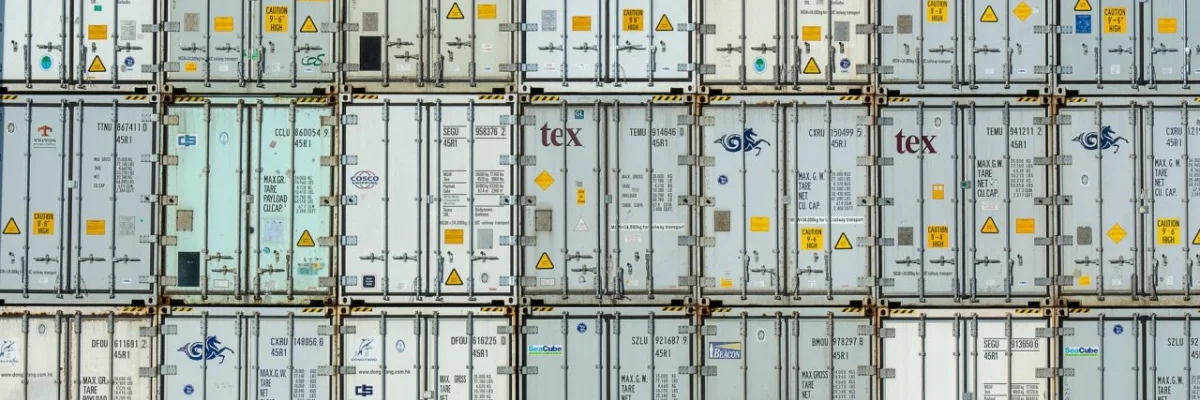
Modern freight forwarding requires a delicate balance between complex global logistics networks and the increasing demand for rapid delivery times. As market volatility becomes the standard, logistics professionals must transition from legacy manual processes to integrated digital ecosystems. Achieving operational excellence depends on how well a company can synchronize cargo visibility, document management, and communication across fragmented stakeholder groups. By leveraging cloud-based platforms, forwarders can reclaim lost time and improve service reliability significantly. Embracing these advanced technological shifts allows your business to scale operations efficiently while maintaining the high standards that your customers expect in today's highly competitive international shipping market.
Digital Document Automation

Digital document automation serves as the backbone of modern freight workflows by eliminating tedious manual data entry tasks that consume valuable staff hours. Shifting toward electronic documentation ensures that every shipment file remains organized, accessible, and error-free for all parties involved.
- Eliminate manual errors: Automated extraction tools reduce the risk of typos in complex airway bills or commercial invoices, which often lead to costly delays and unnecessary customs compliance penalties.
- Centralized document repository: Cloud platforms provide a single source of truth where teams can access, edit, and share shipping documents securely without the need for endless email threads.
- Faster processing times: Automated workflows allow forwarding teams to generate booking confirmations and delivery orders in seconds, drastically accelerating the pace at which shipments move through the system.
- Enhanced regulatory compliance: Systems configured with automated validation checks ensure that every submitted document meets current international trade regulations, preventing rejection at the port of arrival.
By automating the lifecycle of your freight documentation, your team gains the ability to focus on strategic customer relations rather than administrative backlog. This shift improves operational agility and reduces the overhead costs associated with paper-based archives. As your business grows, the ability to process thousands of documents without hiring additional personnel becomes a clear competitive advantage that distinguishes your forwarding agency from traditional competitors.
Real Time Cargo Tracking
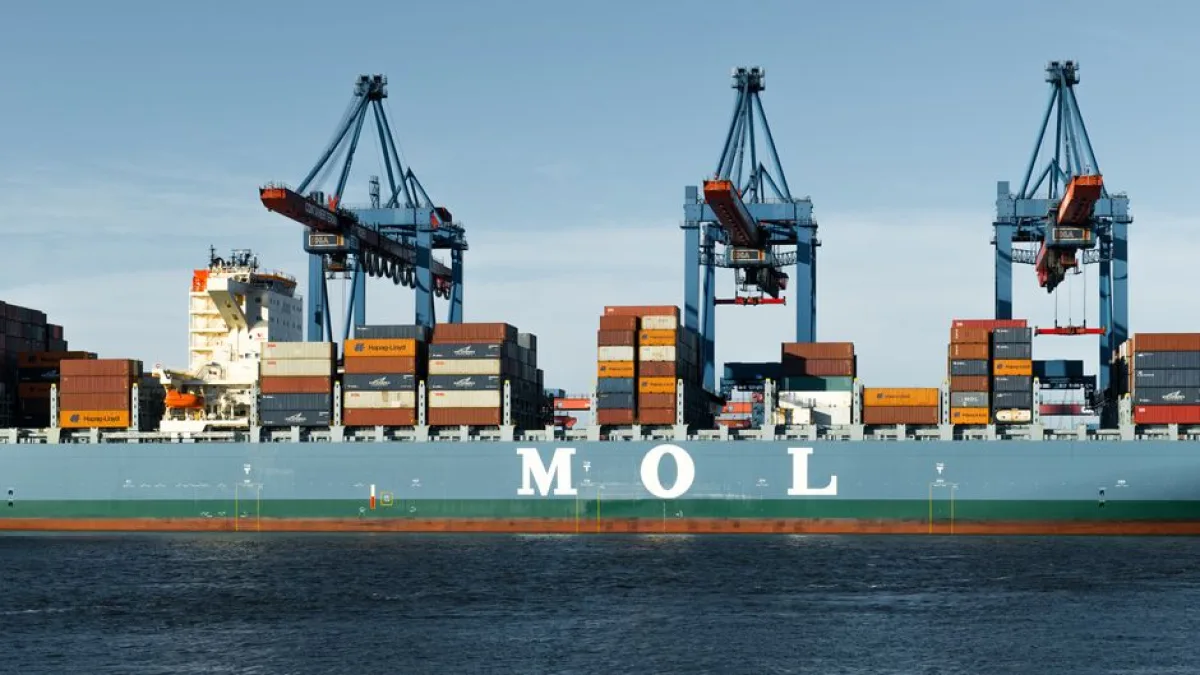
Providing customers with granular visibility into their cargo location is no longer a luxury but a fundamental expectation in the global supply chain. Real time tracking solutions bridge the gap between departure and destination, offering transparency that builds trust.
- Proactive status alerts: Automated notification systems keep clients updated on shipment milestones instantly, reducing the number of manual inquiries your customer support team must handle each day.
- Exception management capability: Advanced software detects potential delays due to weather or port congestion early, allowing forwarders to communicate solutions to clients before major disruptions actually occur.
- Improved partner visibility: Integrating data from ocean and air carriers into one dashboard ensures that every stakeholder sees the exact same information regarding a shipment current status.
- Customer portal access: Providing clients with a branded self service portal encourages autonomy and reduces the reliance on manual status updates through phone or email interactions.
Visibility serves as the primary currency of trust in logistics partnerships today. When customers have access to live data regarding their cargo status, they feel empowered and informed throughout the transit process. Implementing robust tracking tools enables your freight forwarding business to provide premium service levels while simultaneously reducing the burden on your internal administrative team to provide manual status updates daily.
Seamless Stakeholder Communication

Effective communication within a freight operation involves connecting shippers, carriers, and customs brokers into one cohesive workflow. Removing information silos prevents the common misinterpretations that lead to cargo bottlenecks and poor operational performance across the entire global logistics network.
- Integrated messaging tools: Unified communication channels within your platform ensure that every note or update regarding a specific file is stored directly within the digital shipment record.
- Shared visibility layers: Granting specific access levels to vendors allows them to upload documents or updates directly to your system, saving your team from manual data input.
- Streamlined carrier coordination: Direct digital booking and confirmation processes simplify the interaction between your team and transport providers, ensuring that every load request is handled clearly.
- Automated internal notifications: Task based alerts ensure that team members are notified exactly when their input is required, preventing important shipments from stalling due to internal oversight.
Optimizing communication reduces the friction that frequently plagues international logistics operations. By shifting team discussions into a structured digital environment, you ensure that no critical instruction is ever lost in an inbox. This clear record of communication protects your agency during disputes and ensures that every project stakeholder is fully aligned with the requirements and timelines established for each individual cargo movement.
Data Driven Performance Analysis

Analyzing operational data allows forwarders to identify efficiency gaps and implement improvements based on actual shipment history. Using performance metrics turns raw logistics data into actionable business intelligence that can drive higher profit margins for your company.
- Identify carrier performance: Detailed reports track transit times and cost variances for different partners, allowing you to choose the most reliable carriers for your specific cargo lanes.
- Monitor team productivity: Analytics tools highlight how long it takes to process bookings or clear customs, helping managers allocate human resources where they are most effectively needed.
- Cost and margin tracking: Real time financial dashboards display the profitability of each shipment, identifying lanes or customers that require a review of your current pricing strategy.
- Forecasting future demand: Historical data patterns help your team predict peak shipping seasons and capacity needs, allowing for better negotiations with carriers before the market demand spikes.
Data is the most valuable asset in modern logistics management today. By regularly reviewing performance analytics, your leadership team can make informed decisions that optimize every aspect of your freight operation. This analytical mindset fosters a culture of continuous improvement, ensuring your business stays ahead of market shifts while maximizing the revenue potential of every single shipment you manage across the globe.
Conclusion
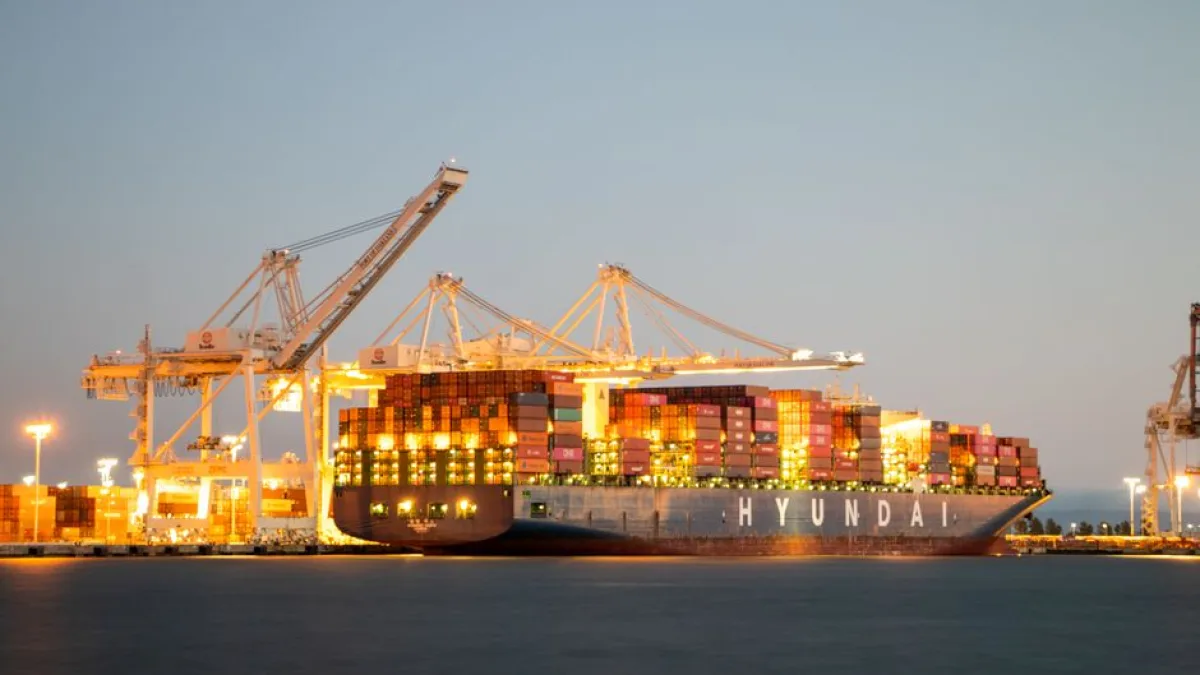
Transforming your freight operations requires a commitment to digital integration and continuous process improvement across every department. By leveraging cloud based software to automate documentation, increase visibility, and analyze performance data, your forwarding business can achieve new heights of operational success. Start optimizing your workflow today with MakeCargo to ensure that your logistics services remain fast, reliable, and highly profitable in a changing market.