Optimizing Freight Operations for Modern Logistics Efficiency
Thursday, September 3 2026
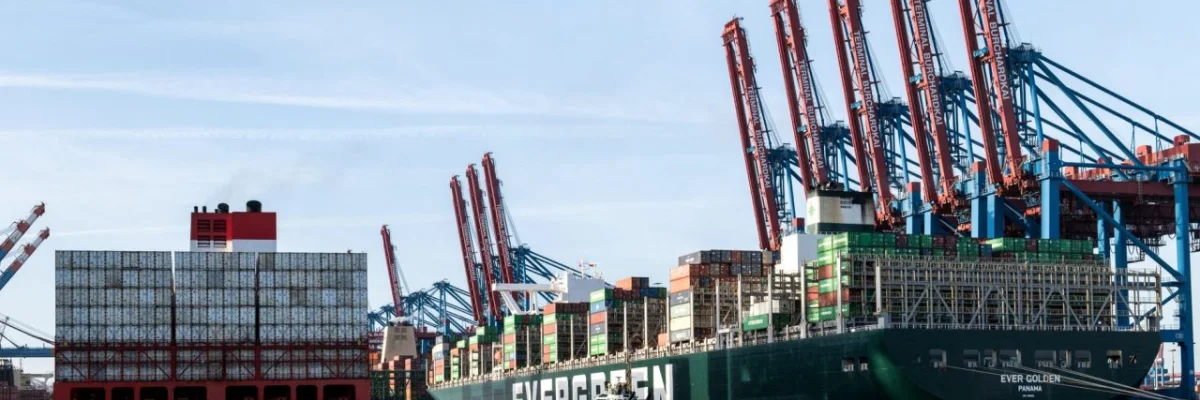
Modern freight forwarding requires a delicate balance between complex logistical coordination and the rapid pace of global trade. As companies navigate shifting market demands and supply chain volatility, the reliance on outdated manual processes often becomes a significant barrier to scalability and growth. By integrating cloud-based digital solutions, forwarders can reclaim lost hours and improve transparency across their entire operations lifecycle. This article explores how embracing digital transformation empowers logistics professionals to reduce errors, enhance collaboration with international partners, and ultimately deliver superior value to customers while maintaining healthy margins in a highly competitive global shipping landscape.
Streamlining Documentation Workflows

Managing shipment documentation is frequently cited as the most labor-intensive aspect of freight forwarding. Automating these repetitive tasks reduces human error and ensures compliance with international shipping standards while accelerating the speed at which goods move through busy global checkpoints.
- Automated Data Entry: Implement smart software that extracts key information from bills of lading or commercial invoices to eliminate manual typing and reduce costly clerical mistakes during processing.
- Centralized Document Storage: Maintain a single source of truth for every shipment file so team members can access critical papers instantly without searching through endless email chains.
- Digital Compliance Checks: Use automated validation tools to verify customs documentation against regional trade regulations before submission to prevent significant delays or penalties at various border crossings.
- Cloud Collaboration Tools: Allow multiple stakeholders to edit or review shipping documents in real time to ensure accuracy and foster better communication between the office and warehouses.
- Paperless Workflow Integration: Transition toward entirely digital signature platforms to speed up approval processes and remove the logistical nightmare of managing physical filing systems for international freight.
By transitioning your documentation workflows to a digital environment, your team gains a significant advantage in speed and reliability. Automation minimizes the time spent on administrative overhead, allowing your staff to focus on strategic client relations and complex issue resolution. As documents flow seamlessly between parties, you will observe a marked decrease in transit bottlenecks and a notable improvement in overall operational throughput.
Real-Time Shipment Tracking
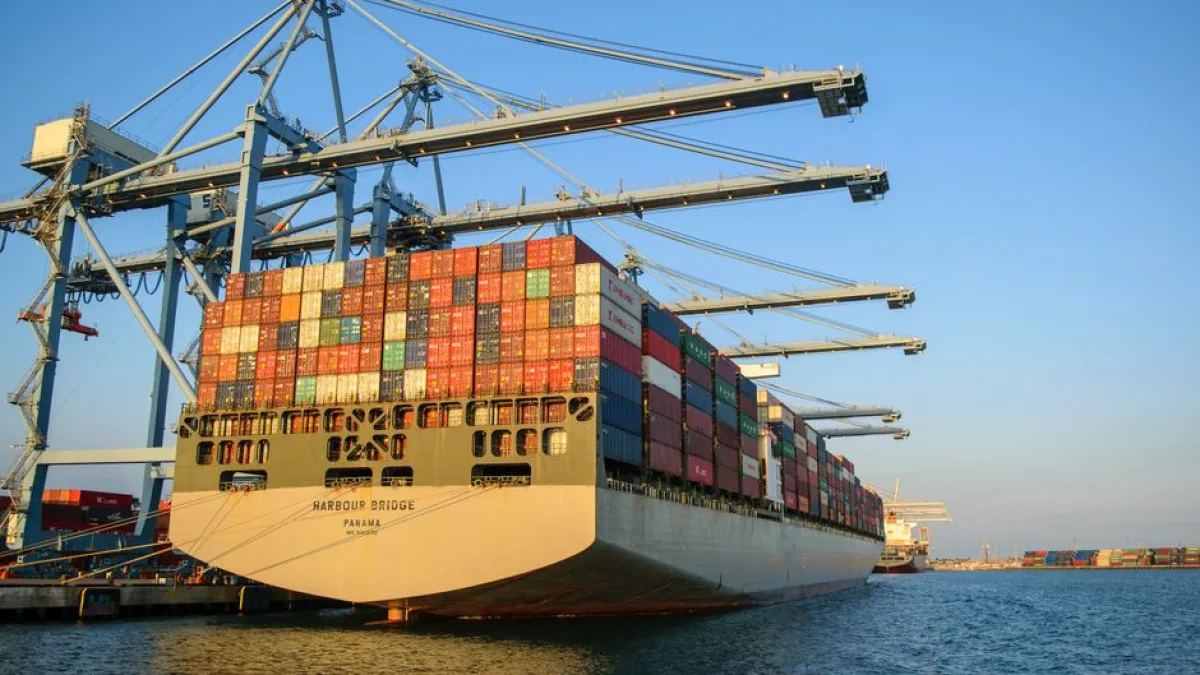
Providing clients with live status updates is essential for maintaining trust and transparency in the shipping industry. Implementing advanced visibility tools transforms uncertainty into clear communication, strengthening customer relationships through better information sharing and proactive management of potential transit disruptions.
- Live Status Updates: Integrate GPS tracking and carrier APIs to provide customers with immediate visibility into their shipment locations as they move through the global supply chain.
- Proactive Exception Alerts: Configure automated notifications to warn your team immediately when a shipment deviates from the schedule so you can inform clients before problems escalate further.
- Customer Visibility Portals: Create dedicated access points where clients can view their own tracking history and status updates without needing to contact your team for manual reports.
- Multi-Carrier Integration: Sync data from various shipping lines and trucking partners into one dashboard to monitor every link in the chain regardless of the provider used.
- Data Driven Forecasting: Utilize historical tracking information to provide more accurate estimated arrival times for future shipments based on seasonal trends and typical carrier performance metrics.
Effective shipment tracking is no longer just a luxury but a fundamental necessity for modern logistics firms. When you provide your clients with transparent, real-time data, you empower them to plan their inventory and supply chain activities with greater confidence. This level of service differentiates your business from competitors, fostering long-term loyalty and encouraging repeat requests for your expert freight forwarding services.
Enhancing Carrier Communication

Building strong relationships with your carrier network requires consistent and reliable communication channels. Utilizing digital platforms to manage these interactions ensures that every party involved understands the requirements, timelines, and specific constraints associated with complex international shipments and cargo loads.
- Centralized Messaging Hubs: Consolidate all carrier communications within your platform to ensure that specific shipment instructions are never lost in fragmented and disorganized email inbox threads.
- Automated Task Reminders: Send periodic automated prompts to carriers to ensure they meet critical booking deadlines or provide necessary updates before final transit milestones are reached.
- Standardized Load Tenders: Use templates to issue clear and consistent load requests that leave no room for ambiguity or misunderstanding regarding rates, space requirements, and deadlines.
- Direct API Messaging: Establish electronic data connections with major carriers to transmit shipment details instantly, reducing the reliance on phone calls and slow manual data updates.
- Performance Metric Tracking: Record carrier responsiveness and reliability data within your system to inform future negotiations and help you choose the best partners for specific routes.
Optimizing how you communicate with your carriers can drastically improve the efficiency of your daily operations. By standardizing messages and keeping all records in one accessible location, you reduce the time lost to clarifying simple details. This proactive approach leads to fewer misunderstandings, faster booking approvals, and stronger professional relationships with your shipping partners, ensuring your freight moves consistently across the globe.
Financial Operational Control

Accurate billing and precise cost management are critical to maintaining the financial health of any freight forwarding operation. By utilizing integrated financial tools, you can ensure that margins remain protected and all revenue streams are tracked with complete precision and transparency.
- Automated Invoice Generation: Create professional invoices based on pre-set shipping rates to reduce the risk of billing errors and ensure that your company gets paid promptly.
- Dynamic Profit Tracking: Monitor the profitability of every individual shipment in real time to understand exactly where your revenue comes from and where costs are accumulating.
- Integrated Ledger Systems: Sync your operational data directly with accounting software to eliminate the need for manual dual entry and ensure your financial records are perfect.
- Expense Management Tools: Track incidental costs like storage or handling fees automatically to ensure that every charge is captured and correctly billed to the responsible customer.
- Custom Financial Reporting: Generate detailed monthly reports to analyze your financial health and identify opportunities to negotiate better rates with carriers for high volume lanes.
Tightening control over your financial operations is the final step toward true operational excellence. When costs are tracked accurately and billing is automated, your company preserves its bottom line against the unexpected fluctuations typical of global logistics. This financial clarity allows you to invest back into your technology stack, ensuring that your firm remains at the cutting edge of the freight industry.
Conclusion

Mastering freight operations requires a commitment to digital adoption and a focus on removing inefficiencies from daily workflows. By leveraging modern software to handle documentation, tracking, communication, and billing, forwarders can unlock significant capacity for growth and improved service. Now is the ideal time to evaluate your current processes and implement the tools needed to drive your logistics business toward a more profitable, scalable future.