Optimizing Freight Operations for Modern Logistics Efficiency
Wednesday, September 9 2026
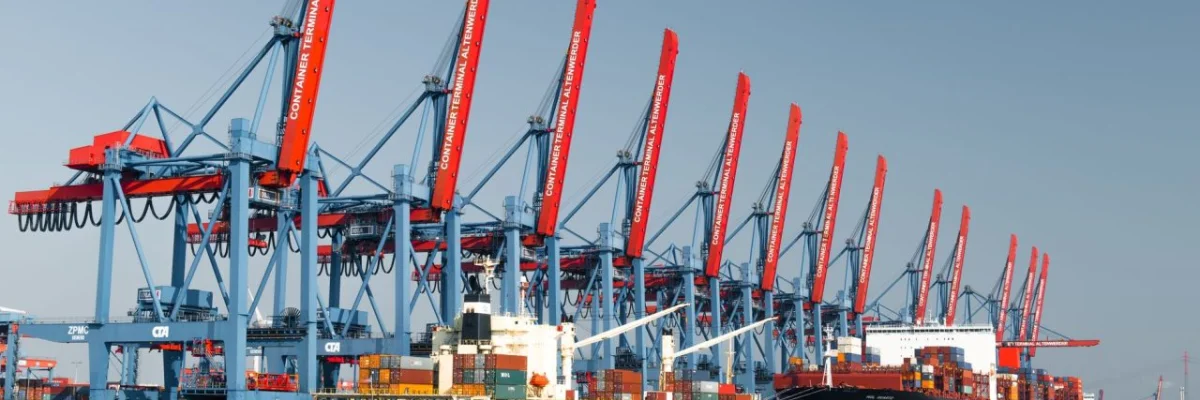
Modern freight forwarding requires a delicate balance between complex global logistics and the rapid pace of digital transformation. As companies move beyond manual spreadsheets and fragmented communication, the need for centralized cloud-based platforms becomes clear. By integrating advanced automation, forwarding teams can reduce administrative burdens and focus on building stronger client relationships. This shift not only improves operational accuracy but also provides the scalability necessary to thrive in a competitive market. Embracing technology is no longer a luxury for freight professionals but a fundamental requirement for maintaining long-term success and reliable supply chain performance.
Streamlining Documentation Workflows

Managing global shipments involves an immense volume of documentation that often slows down the entire logistics chain. Automating these workflows ensures that customs declarations and commercial invoices are processed without errors, drastically reducing potential delays at border crossings.
- Automated Data Entry: Implement smart scanning tools to extract information from physical documents into your system automatically, which eliminates human error and accelerates the overall processing cycle for operations.
- Digital Storage Solutions: Maintain a secure and searchable cloud repository for all shipping records to ensure your team accesses vital information instantly during audits or specific client inquiries.
- Real-time Document Collaboration: Allow multiple stakeholders to review and approve essential shipping papers within the same digital environment to keep workflows moving forward without constant email chains.
- Compliance Tracking Integration: Embed automated compliance checks into your documentation pipeline to guarantee that every shipment meets international trade regulations before it even leaves the warehouse facility.
By shifting to digital documentation, teams reclaim valuable hours previously lost to manual data reconciliation. This transition empowers employees to prioritize strategic account management over repetitive clerical tasks. Furthermore, cloud-based access ensures that global offices remain synchronized at all times, providing a consistent experience for international partners and local agents while fostering a collaborative environment that encourages growth across your entire logistics network.
Enhancing Real-time Visibility

Visibility is the backbone of trust in modern shipping. Customers demand constant updates regarding the exact location of their goods, making real-time tracking integration a critical component for every forwarder aiming to provide superior service levels and transparency.
- Live Shipment Dashboards: Provide clients with a unified web portal that displays the precise status of their cargo, reducing the volume of inbound status inquiry calls significantly.
- Automated Milestone Alerts: Configure proactive notification systems that automatically update stakeholders whenever a shipment reaches a major transit point or experiences an unexpected delay during its journey.
- Integrated Carrier Feeds: Connect your operations software directly to global shipping lines and airline APIs to pull the most accurate transit data into your internal systems.
- Predictive Arrival Forecasting: Utilize historical data and weather patterns to provide customers with highly accurate estimated arrival times, improving their own inventory planning and logistics schedules.
Superior visibility converts passive shippers into loyal long-term partners who rely on your transparency. By removing the guesswork from transit times, you position your firm as a reliable leader in the logistics industry. This proactive approach to data sharing minimizes stress for both your team and your customers, ultimately leading to higher satisfaction rates and stronger retention figures in a volatile market.
Managing Complex Carrier Relations
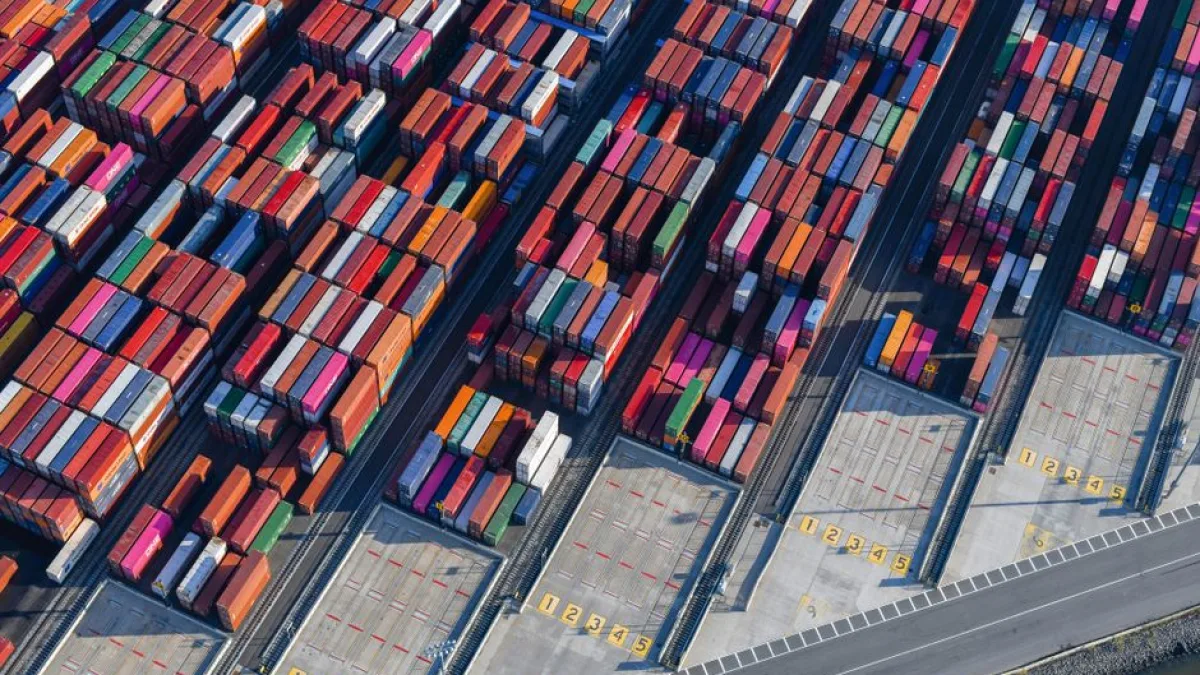
Maintaining healthy relationships with various ocean and air carriers is essential for negotiating competitive freight rates. Efficient management tools help organize carrier contracts, allowing your team to compare performance metrics and costs quickly for every single shipment inquiry.
- Centralized Rate Management: Store all carrier tariff sheets in a single cloud database that allows your team to generate instant quotes based on current market availability.
- Performance Analytics Tracking: Monitor key performance indicators for each carrier, such as transit speed and reliability, to identify which partners provide the best value for clients.
- Automated Booking Requests: Streamline the connection between your system and carrier platforms to ensure that bookings are confirmed without the need for manual booking portal entry.
- Volume Commitment Monitoring: Keep track of your annual volume targets with specific carriers to maximize your incentive tiers and maintain the best possible market freight rates.
Leveraging technology to manage carrier interactions allows you to extract maximum value from every partnership. By using data-driven insights to choose the right carrier, you reduce costs while maintaining high standards of service. This strategic management of assets ensures that your operations remain flexible and responsive, helping you stay ahead of market fluctuations while keeping your profit margins stable and healthy.
Scaling Digital Freight Capabilities

Scaling your freight operations requires a robust foundation that can handle increased shipment volumes without compromising quality. Investing in scalable cloud infrastructure allows your logistics business to expand into new markets with minimal disruption to existing daily operations.
- Cloud Infrastructure Benefits: Enjoy the freedom of accessing your logistics platform from any location, which supports remote work and allows for seamless expansion into global territories.
- Seamless System Integrations: Connect your existing accounting and CRM software directly to your logistics platform to create an efficient ecosystem that handles data across departments.
- Modular Software Features: Select a platform that offers the flexibility to activate additional tools or modules as your business needs grow and your services evolve.
- Advanced Security Protocols: Protect your sensitive client data with enterprise-level encryption and regular security updates that ensure your digital business operations remain safe from external threats.
A scalable logistics platform acts as an engine for future growth rather than a static tool for simple task management. As you onboard new staff and take on larger clients, the right software ensures that efficiency remains high. Focusing on long-term digital architecture allows your company to adapt quickly to industry changes, ensuring you are always ready for the next phase of development.
Conclusion

Success in modern freight forwarding depends on the integration of smart technology and efficient operational processes. By streamlining documentation, improving visibility, and managing carrier relationships effectively, your firm can achieve new levels of productivity and customer satisfaction. Start optimizing your digital logistics infrastructure today to ensure your company remains a competitive leader. Contact our team to learn how our platform drives excellence.