Optimizing Freight Operations for Modern Logistics Efficiency
Saturday, September 12 2026
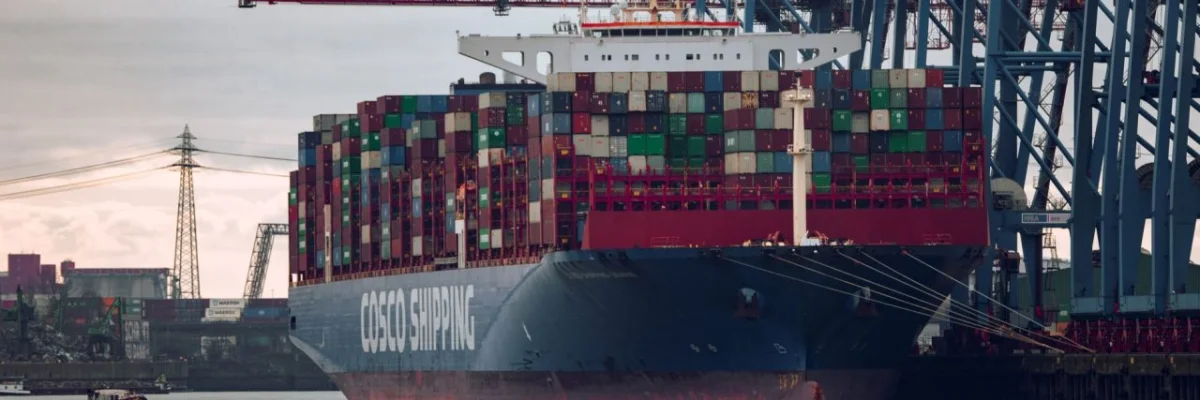
Modern freight forwarding requires a delicate balance between rapid execution and meticulous documentation. As supply chains grow more complex, logistics providers face constant pressure to reduce transit times while maintaining high service standards for their global client base. Manual processes and disconnected data silos act as significant hurdles to this goal, often leading to costly errors and delays. By embracing cloud-based technologies and streamlined operational frameworks, freight forwarders can transform their workflows into competitive advantages. This article explores essential strategies to refine your daily operations and foster a more resilient and responsive logistics business model in a fast-paced market environment.
Automated Workflow Management

Automation serves as the backbone of a successful freight operation by removing redundant tasks from the daily schedule. When software handles repetitive data entry, your staff gains the freedom to focus on high-value client communication and complex troubleshooting tasks.
- Data accuracy boost: Automating documentation processes minimizes the chance of human error during entry, ensuring that critical shipment details remain consistent across all manifests and invoices throughout the lifecycle.
- Faster document processing: Digital platforms automatically generate essential shipping documents in seconds, reducing the time spent on manual preparation while ensuring compliance with international trade standards and carrier requirements.
- Real time syncing: Cloud software ensures that every team member views the same information simultaneously, which prevents communication breakdowns and keeps all stakeholders aligned on current shipment status.
- Reduced administrative burden: Streamlining internal workflows allows logistics professionals to handle higher volumes of freight without needing to increase headcount, directly contributing to improved profit margins for your firm.
Integrating automation into your freight forwarding software changes how you manage daily pressure points. Instead of chasing down missing files or manually updating status reports, your team can rely on a single source of truth. This reliability builds trust with your clients and creates a scalable operational environment that grows alongside your business, ensuring you stay ahead of competitors in a demanding industry.
Effective Carrier Communication

Strong partnerships with carriers depend on clear and timely information exchange. Without an efficient channel for communication, forwarders risk falling behind on booking confirmations, tracking updates, and critical capacity changes that could derail a shipment timeline entirely.
- Unified communication portal: Centralizing messages within your software platform prevents important updates from getting buried in cluttered email inboxes, ensuring that your team never misses a key notification.
- Automated status updates: Sharing automated status alerts with carriers ensures that both parties stay informed, which reduces the need for constant phone calls and manual status inquiries daily.
- Optimized rate negotiation: Accessing historical performance data allows you to negotiate better rates with carriers by demonstrating your firm volume and reliability over a specific trade lane.
- Standardized data protocols: Using digital interfaces ensures that all information transmitted to carriers meets their specific formatting requirements, which leads to faster booking confirmations and fewer rejected loads.
Prioritizing communication tools allows your staff to build deeper relationships with carrier representatives. When information flows seamlessly, your team can resolve exceptions faster and provide more accurate delivery estimates to your customers. Investing in these connections transforms carriers from simple service providers into long-term strategic partners, which significantly strengthens your overall supply chain network and improves the quality of service for every shipment.
Data Driven Decision Making

Analytics tools provide the insights needed to make informed choices rather than relying on gut instinct alone. By examining past performance metrics, forwarders can identify hidden inefficiencies and seize new opportunities for growth in an increasingly volatile global shipping market.
- Performance metric analysis: Regularly reviewing key performance indicators helps you pinpoint exactly where delays occur, enabling you to refine your operations and improve overall transit times for customers.
- Cost trend tracking: Monitoring fluctuating market rates allows you to adjust your pricing strategies effectively, ensuring your business stays profitable while remaining attractive to your primary target clients.
- Route optimization tools: Utilizing advanced analytics helps your team identify the most cost effective shipping routes, which saves money and reduces your overall carbon footprint in transit.
- Predictive demand modeling: Analyzing historical shipping volumes allows you to forecast future capacity needs, helping you secure space in advance during peak seasons to avoid costly disruptions.
Moving toward a data centric culture is essential for forwarders who want to scale their operations successfully. When your team relies on actionable insights rather than guesses, they can optimize every aspect of the shipping process. This leads to reduced operational costs, improved service quality, and a more robust strategy that prepares your business for any market shifts that may occur in future.
Proactive Customer Service

Superior customer service differentiates successful freight forwarders from the rest of the market. Proactivity involves identifying potential issues before they impact the client, turning a possible negative experience into a demonstration of your firm reliability and expertise.
- Proactive shipment alerts: Notifying customers about potential delays before they occur builds trust, as it gives them time to plan accordingly rather than reacting to a sudden crisis.
- Client self service portals: Providing customers with direct access to their shipment data empowers them to track progress independently, which reduces the load on your customer service team.
- Personalized status reporting: Tailoring communication to meet specific client needs shows that you value their business, creating a level of rapport that encourages long term loyalty and referrals.
- Issue resolution focus: Empowering your support staff with tools to resolve problems quickly ensures that any issues are handled with speed and professionalism, protecting your reputation for quality.
Customer loyalty in logistics is built on predictability and transparency. By offering your clients a clear view into their supply chain, you minimize stress and create a smoother experience for everyone involved. Investing in modern support tools demonstrates your commitment to service excellence, making it easier to retain current clients and attract new business through your reputation for reliable and helpful communication.
Conclusion
Optimizing your freight operations requires a combination of smart software, clear communication, and a commitment to data driven excellence. By automating workflows and focusing on proactive customer service, your business can overcome the traditional challenges of the logistics industry. Implement these strategies today to streamline your operations and build a more resilient and profitable future. Contact us to learn how our software simplifies your journey.