Optimizing Freight Operations for Modern Logistics Efficiency
Monday, September 14 2026
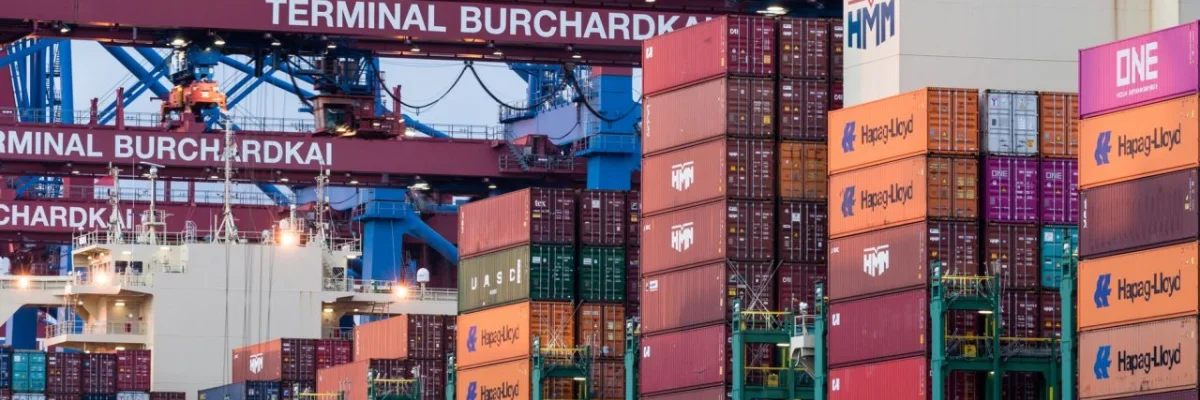
Freight forwarding is currently navigating a period of unprecedented complexity, driven by global supply chain volatility and rising customer expectations for real time visibility. As logistics firms strive to maintain profit margins while delivering superior service, the reliance on manual processes and legacy spreadsheets has become a significant liability. Transitioning to integrated, cloud based operations platforms allows forwarders to centralize their workflows and automate repetitive administrative tasks. By adopting modern technology solutions, companies can unlock hidden capacity, reduce human error, and gain the competitive advantage necessary to thrive in an increasingly digital and fast paced international trade environment today.
Automating Manual Documentation

The digitization of shipping documents transforms slow paper based workflows into high speed electronic processes. By automating data entry and compliance checks, teams minimize manual errors and accelerate the speed of bill of lading generation while ensuring consistency across global shipments.
- Data extraction tools: Advanced OCR software automatically captures critical shipment data from invoices and packing lists to populate your freight management platform with minimal risk of manual typing errors.
- Automated compliance checks: Integrated systems run real time validation against international customs databases to ensure all documentation meets local import and export regulations before submission to authorities.
- Document version control: Cloud based storage ensures that every team member views the most current version of a document, eliminating the confusion caused by multiple email attachments.
- Electronic signature integration: Secure digital signing platforms reduce the time required for approvals and provide a clear audit trail that is essential for maintaining strict industry compliance standards.
By shifting away from legacy paper systems, your team can redirect focus toward higher value tasks such as strategic account management and complex logistics problem solving. This transition not only improves operational speed but also builds trust with partners who demand rapid communication and accurate record keeping. Investing in automated document workflows is a vital step toward creating a truly scalable and modern freight forwarding business.
Real Time Shipment Tracking
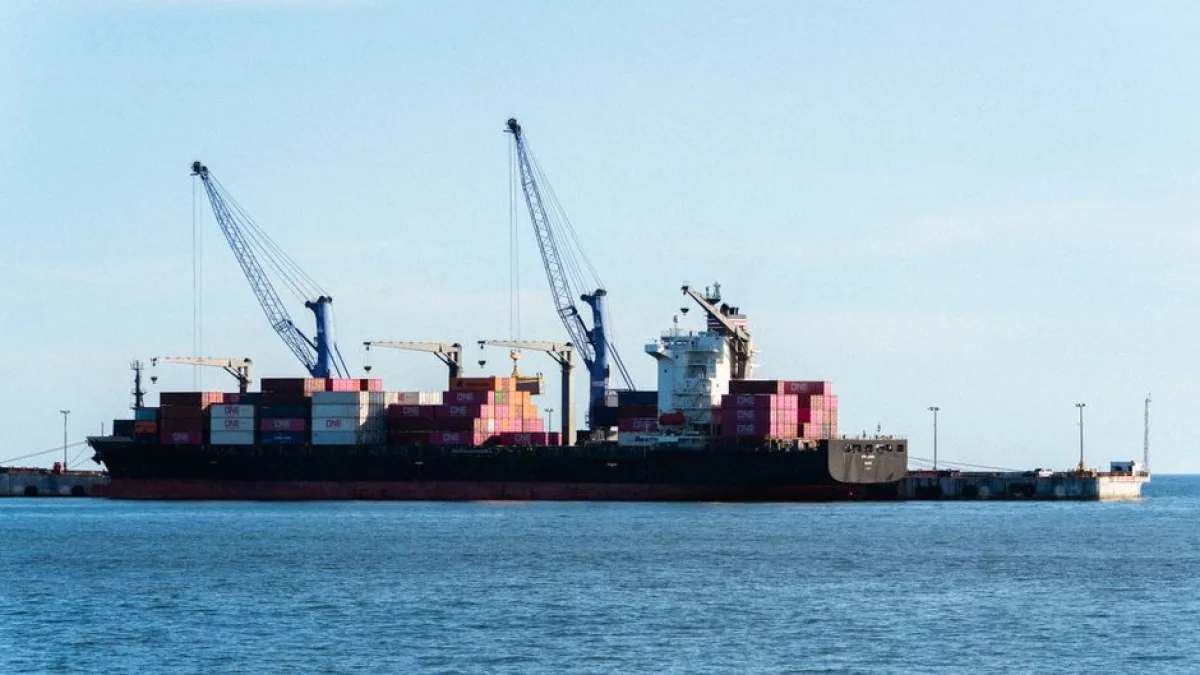
Visibility is the primary driver of customer satisfaction in modern freight logistics. Providing stakeholders with accurate, minute by minute updates on cargo movement requires deep integration between carrier tracking systems and your internal cloud based operational management platform.
- Carrier API integration: Connecting directly to ocean and air carrier APIs ensures that tracking data flows instantly into your dashboard without the need for manual status updates.
- Proactive delay alerts: Automated notifications inform your operations team the moment a delay occurs, allowing you to inform customers and provide solutions before a minor issue escalates.
- Customer tracking portal: Providing clients with a branded self service portal reduces the volume of status inquiry emails, freeing up your team for more critical logistics tasks.
- Geofencing notification triggers: Automatic alerts sent when cargo arrives at key transit points ensure you remain informed of container progress through every phase of the international journey.
Transparent communication prevents misunderstandings and demonstrates professional reliability to your clients. By offering a digital portal where customers can check shipment status at any hour, you distinguish your services from competitors who still rely on phone calls and manual status reports. This level of granular visibility turns logistics services into a trusted partnership that retains clients and encourages long term business growth.
Optimizing Vendor Management

Managing relationships with numerous carriers and local agents demands a structured approach to communication and performance analysis. Centralizing vendor data allows your organization to evaluate service levels objectively and identify the best partners for specific trade lanes or cargo types.
- Vendor performance dashboards: Track key metrics such as transit time accuracy and billing disputes to ensure your partners meet the service level agreements promised during the contract.
- Standardized communication channels: Utilizing integrated messaging tools keeps all partner interactions documented within the specific shipment record, preventing important details from getting lost in fragmented email chains.
- Dynamic route comparison: Accessing real time rates from multiple carriers in one dashboard allows you to select the most cost effective and efficient routing for every job.
- Automated billing reconciliation: Matching carrier invoices against expected shipment costs identifies discrepancies immediately, protecting your profit margins from unexpected surcharges and billing errors throughout the shipping cycle.
Efficient vendor management is the bedrock of a stable supply chain network. By leveraging tools that maintain a clear history of partner performance and financial transactions, you gain the leverage needed to negotiate better terms and secure priority space during peak seasons. Maintaining strong digital connections with your partners ensures that your operations remain resilient even when the global freight market faces unexpected disruptions.
Scaling Through Cloud Connectivity

The cloud is no longer an optional upgrade but a fundamental requirement for forwarders aiming to scale operations. Cloud based software provides the flexibility to support remote teams, secure data backups, and seamless software updates without requiring significant on site hardware maintenance or internal IT support.
- Remote team access: Cloud platforms enable staff members to manage shipments from anywhere, which is essential for global companies operating across different time zones and regional offices.
- Cybersecurity data protection: Professional cloud providers implement advanced encryption and regular security updates to protect your sensitive cargo data against potential threats and unauthorized access attempts daily.
- Seamless software upgrades: New features and regulatory updates are deployed automatically by the software provider, ensuring your team always has access to the most advanced operational tools.
- Scalable infrastructure capacity: Whether your shipment volume grows significantly or experiences seasonal shifts, cloud resources expand or contract to meet your current operational demands without expensive infrastructure changes.
Adopting a cloud first strategy positions your freight forwarding firm to be agile and responsive to market changes. With reduced capital expenditure on local servers and increased access to global talent, you can focus your resources on innovation and operational excellence. Embracing the cloud ensures that your systems are always prepared for future growth and evolving demands within the global logistics and transportation industry.
Conclusion

Transforming your freight operations requires a deliberate commitment to automation, transparency, and scalable cloud technology. By addressing documentation, tracking, vendor relationships, and infrastructure, forwarders can significantly increase efficiency and service quality. Start your digital transformation today to remain competitive in a rapidly evolving logistics market. Visit the MakeCargo website to schedule your personal software demonstration and begin optimizing your freight forwarding workflow now.