Optimizing Freight Operations for Modern Logistics Efficiency
Tuesday, September 15 2026

Freight forwarding is currently undergoing a radical transformation as businesses demand greater speed, transparency, and reliability from their logistics partners. Managing global supply chains requires precise coordination of shipments, documentation, and communication between diverse stakeholders across various time zones. Legacy systems and manual spreadsheet tracking often create bottlenecks that hinder growth and reduce profit margins. By adopting cloud-based platforms, forwarders can centralize their data, automate repetitive tasks, and provide real-time updates to their clients. This proactive approach not only resolves existing operational friction but also positions modern freight businesses for long-term scalability in an increasingly competitive global marketplace.
Digitizing Operational Workflows
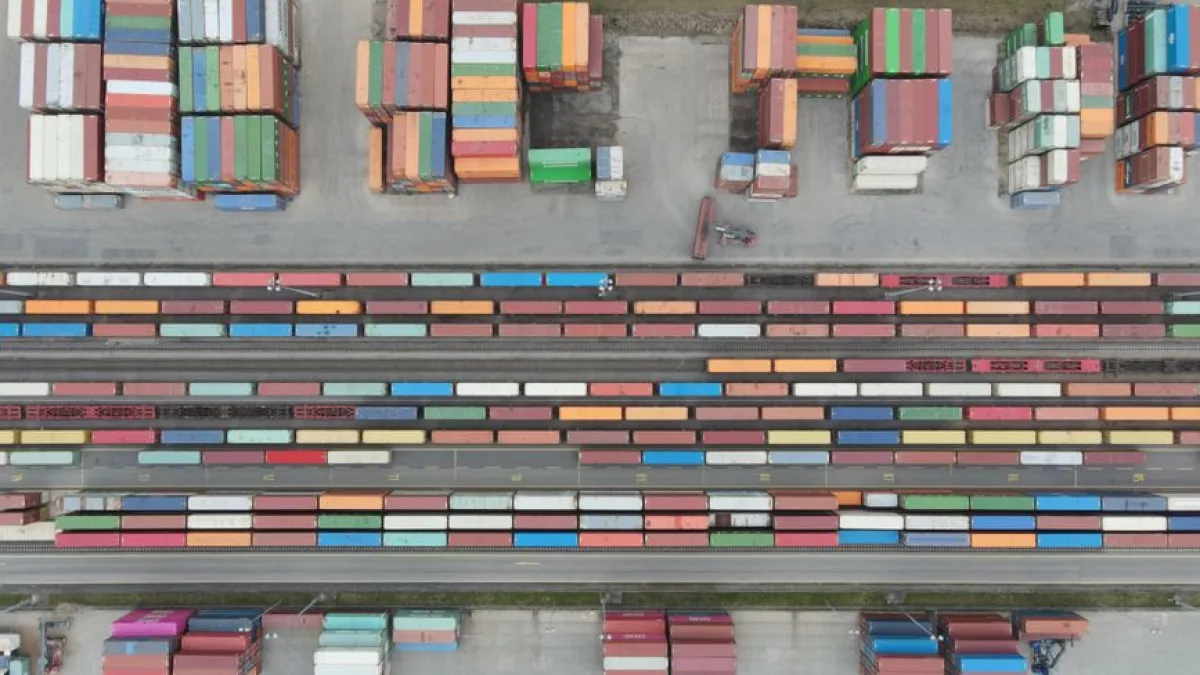
Transitioning from paper-heavy processes to a unified digital interface is essential for maintaining control over complex shipments. Digital systems provide a single source of truth that allows team members to access critical shipping data from any location at any time.
- Centralized shipment tracking: Digital platforms consolidate all shipment milestones into one accessible dashboard to provide accurate status updates for clients while eliminating the need for constant status check emails.
- Automated document management: Reducing manual data entry by digitizing bills of lading and commercial invoices minimizes human error and speeds up the entire customs clearance and compliance process.
- Unified stakeholder communication: Integrated messaging tools within software ensure that every interaction between agents, carriers, and shippers is recorded and associated with the specific shipment file for clarity.
- Role-based access control: Defining clear user permissions keeps sensitive operational data secure while allowing team members to perform their specific tasks without compromising the integrity of overall shipment files.
Adopting digital workflows serves as the foundational step toward achieving peak operational efficiency. By migrating legacy archives into a secure cloud environment, your team gains immediate access to historical data and current shipping logs. This structural shift empowers logistics professionals to shift their focus from manual data entry to higher value tasks such as strategic planning and developing stronger relationships with their carrier partners.
Managing Carrier Relationships
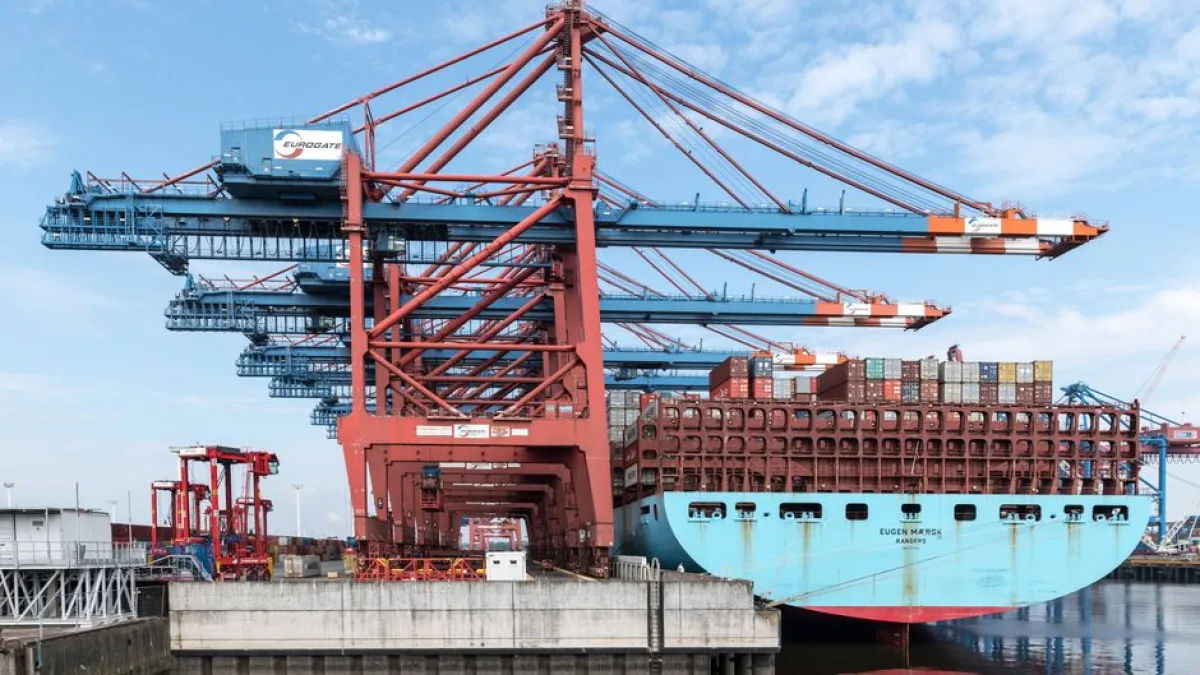
Strong partnerships with carriers are the backbone of a successful freight forwarding business. Maintaining consistent communication and performance tracking ensures that your cargo moves reliably regardless of market volatility or sudden global disruptions to traditional supply routes.
- Performance metric tracking: Analyzing carrier transit times and reliability scores enables your company to make data-driven decisions when selecting service providers for specific international trade lanes or routes.
- Automated rate management: Centralizing carrier contracts and spot rates allows your staff to compare costs quickly, ensuring that you always provide competitive pricing to your valued end clients.
- Capacity planning strategies: Building long-term volume agreements with top tier carriers helps secure space during peak seasons, preventing cargo rollovers and keeping your clients' supply chains moving forward.
- Standardized compliance checks: Regularly verifying carrier credentials and safety records through integrated software tools helps mitigate risk and ensures that all partners meet international transport safety standards.
Cultivating a network of reliable carriers requires persistent attention to performance data and clear expectations. By utilizing digital tools to monitor carrier activity, you create an environment of accountability that benefits all parties involved. This structured approach to relationship management reduces the likelihood of shipping errors and helps you negotiate better terms that ultimately improve your bottom line and service quality.
Enhancing Client Transparency

Providing clients with visibility into their cargo journey is no longer a luxury but a fundamental requirement for forwarders. Modern shippers expect instant updates and proactive notifications regarding the status of their freight across the entire global transport lifecycle.
- Self-service customer portals: Giving clients access to their own secure portal allows them to view status updates and documents independently, which significantly reduces the volume of inbound inquiries.
- Proactive status notifications: Automated email and SMS alerts inform clients about significant shipment events immediately, building trust through consistent and transparent communication regarding their valuable cargo movements.
- Customizable reporting dashboards: Delivering high level analytics and visual reports allows your clients to understand their supply chain performance, which strengthens your value proposition as a logistics partner.
- Real-time location mapping: Integrating GPS data into your customer-facing portal provides visual confirmation of cargo movement, ensuring peace of mind for your shippers throughout the entire international transit.
Transparent communication acts as a powerful differentiator in a crowded logistics market. By giving clients the tools they need to track their shipments and access documents without waiting for an agent, you improve satisfaction and retention rates. This empowerment reduces the administrative burden on your support team while reinforcing your reputation as a modern, technology-forward partner capable of meeting evolving client expectations.
Ensuring Financial Accuracy

Financial management remains one of the most critical aspects of running a freight forwarding operation. Accurate billing, timely invoicing, and transparent profit tracking are essential for maintaining healthy cash flow and ensuring the long-term sustainability of your logistics business.
- Automated invoice generation: Creating invoices directly from shipment data prevents costly billing mistakes and ensures that all ancillary charges are captured and billed to the correct party.
- Real-time profit analysis: Monitoring margins on every individual file enables your team to identify profitable routes and address low-margin shipments before they negatively impact your overall financial performance.
- Multi-currency handling support: Managing global payments requires a system that handles currency fluctuations and automatic exchange rate updates to ensure that your records remain accurate across international borders.
- Seamless accounting integration: Connecting your freight platform with your accounting software eliminates the need for double entry, keeping your financial statements accurate and audit-ready at all times.
Sound financial habits are the final piece of the operational puzzle. By automating the reconciliation process and ensuring that every cost is accounted for, you protect your margins and simplify your end of month financial reporting. These tools provide the insight required to make profitable business decisions, ensuring that your company remains financially robust and prepared for future investment and organizational growth.
Conclusion

Optimizing freight operations requires a combination of technology, clear processes, and proactive management. By digitizing workflows and focusing on transparency, you build a resilient business that can handle the complexities of modern global trade. Start leveraging cloud-based platforms today to streamline your logistics, reduce human error, and gain the competitive edge necessary to satisfy your clients and grow your freight forwarding company effectively.