Optimizing Freight Operations for Modern Logistics Efficiency
Monday, September 21 2026

Modern freight forwarding requires a delicate balance between complex global regulations and the need for rapid service delivery. As supply chain demands intensify, forwarders must shift away from manual processes toward integrated digital solutions. Relying on legacy systems creates bottlenecks that slow down communication and hinder shipment tracking capabilities. By embracing cloud-based platforms, logistics professionals can unify their operations, improve transparency for clients, and drastically reduce administrative errors. This transformation is not just a technological upgrade but a vital necessity for businesses aiming to remain competitive in a fast-paced market where every minute counts toward operational success.
Streamlining Documentation Workflows

Managing global shipments involves an immense volume of paperwork that frequently results in delays if handled manually. Digital automation tools allow forwarders to digitize bills of lading, customs declarations, and commercial invoices, ensuring that data flows seamlessly across departments without manual re-entry.
- Centralized Document Storage: Securely store all your shipping documents in a single cloud location to ensure team members have immediate access to updated files during the transit lifecycle.
- Automated Data Entry: Utilize smart extraction technology to pull key information from incoming documents, which significantly minimizes human errors and accelerates the overall processing time for shipments.
- Compliance Tracking Tools: Monitor regulatory changes automatically to ensure every shipment meets international standards, preventing costly fines and delays caused by missing or inaccurate customs documentation for cargo.
- Real-time Document Sharing: Enable instant collaboration with partners and clients by sharing secure links to live files, which eliminates the need for endless email chains and attachments.
Adopting a centralized approach to documentation transforms how your team handles administrative tasks on a daily basis. Instead of searching through folders or misplaced emails, your staff can focus on high-value client interactions and strategic planning. This shift improves operational speed and fosters better communication with partners, ensuring that your company remains organized and compliant as your global freight volume continues to grow steadily.
Enhancing Shipment Visibility
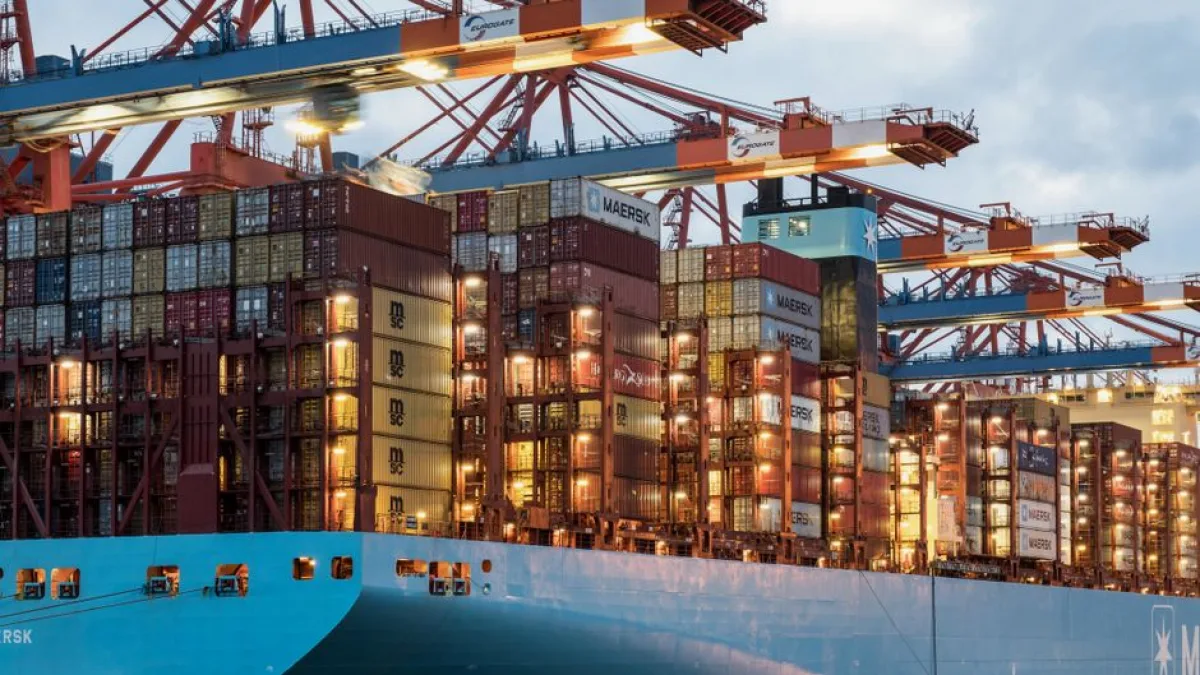
Global shippers demand constant access to real-time status updates for their valuable cargo. Without live visibility, forwarders struggle to manage customer expectations and handle disruptions effectively, leading to increased pressure and potential loss of business in a highly demanding market.
- Integrated Tracking Systems: Connect your platform directly with carrier APIs to receive automatic updates on container locations, providing your customers with accurate and timely shipment progress reports.
- Proactive Milestone Alerts: Configure automated notifications for key events like port arrival or departure, allowing you to manage exceptions before they turn into major delivery delays.
- Client Portal Access: Provide your customers with a dedicated login area where they can check status updates independently, reducing the volume of inbound status inquiry calls.
- Data Driven Insights: Analyze historical tracking data to identify recurring bottlenecks in specific lanes, enabling you to make informed decisions that improve your overall service reliability.
Providing clear and accurate visibility builds trust with your customer base and establishes your reputation for excellence. When clients can track their freight without constant manual intervention, your internal teams gain time to focus on solving complex logistical challenges. This level of transparency is a core differentiator that helps you retain clients and win new business in an increasingly transparent global market.
Automating Freight Rate Quotes

The process of providing accurate quotes is often too slow, causing forwarders to lose opportunities to faster competitors. Speeding up the quoting cycle requires automated platforms that calculate costs and margins instantly based on current market rates and carrier capacities.
- Instant Pricing Calculations: Use software to generate instant quotes for various transport modes, ensuring your team provides competitive pricing without waiting for slow responses from external agents.
- Margin Management Control: Define specific rules for pricing markups and profitability thresholds, allowing your staff to confidently provide quotes that align with your firm financial goals.
- Dynamic Rate Updates: Sync your software with live carrier tariff feeds to ensure that your quoted rates reflect the latest market changes, protecting your profit margins daily.
- Professional Quote Templates: Create branded and detailed proposal documents in seconds, which helps your team present a polished image while significantly shortening the sales cycle for prospects.
Efficient quoting is the lifeblood of growth for any successful freight forwarding firm. By reducing the time spent on manual calculations and emails, your sales team can handle more inquiries and secure more shipments. Automation ensures consistency in pricing across your entire organization, preventing costly mistakes and providing a superior buying experience that keeps your clients returning for all their future logistics needs.
Optimizing Carrier Communication

Effective collaboration with international carriers is essential for preventing miscommunication and ensuring timely delivery. A cloud platform acts as a bridge, keeping all communications in one place to maintain clarity across the entire supply chain network and internal team members.
- Unified Messaging Hub: Consolidate all carrier interactions into one platform to prevent information silos and ensure every shipment team member is fully informed about the latest status.
- Collaborative Task Assignments: Assign specific follow-up tasks to colleagues directly within the software, making it easier to track progress on time-sensitive carrier requests and critical shipment updates.
- Carrier Performance Tracking: Maintain detailed records of carrier reliability and speed, allowing you to select the best partners for future shipments based on objective historical performance data.
- Streamlined Feedback Loops: Facilitate faster responses from international partners by using standardized templates and automated reminders that keep your transit operations moving forward without unnecessary stalling.
Improving the quality of communication with your network partners leads to fewer errors and faster resolution times for daily operational issues. By moving away from fragmented communication methods like phone calls and emails, you create a more resilient logistics chain. This level of coordination empowers your team to handle global freight complexities with confidence, ensuring that your service standards remain high for every shipment.
Conclusion
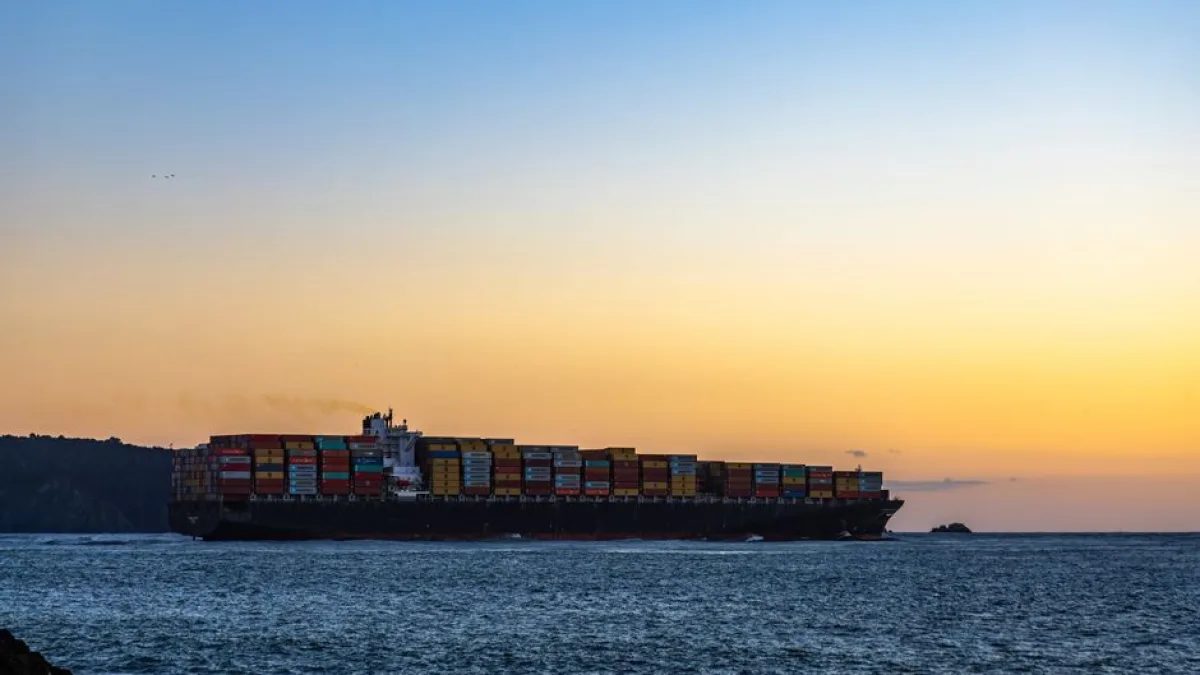
Transforming your freight operations requires a commitment to digital tools that enhance visibility, speed, and accuracy. By automating documentation, quoting, and carrier communication, you position your forwarding business to handle future growth and market volatility with ease. Start your digital evolution today to maximize operational efficiency and deliver an exceptional customer experience. MakeCargo is here to support your journey toward smarter logistics management.