Optimizing Freight Operations for Modern Logistics Efficiency
Tuesday, September 22 2026
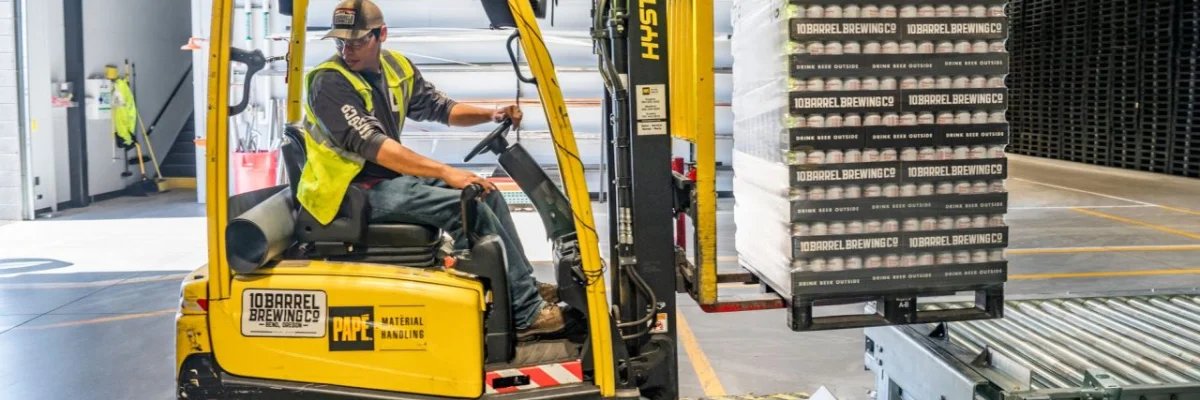
Modern freight forwarding requires a delicate balance between complex global logistics and the rapid demand for digital transparency. As supply chains grow increasingly volatile, professionals must pivot away from manual processes toward integrated, cloud-based solutions. This transition is not merely a technological upgrade but a fundamental requirement for maintaining competitive margins and client satisfaction in a global market. By embracing automation and data-driven insights, forwarders can reclaim lost time, reduce costly human errors, and offer superior service levels that differentiate their brand. Focusing on operational excellence ensures your logistics firm stays ahead of shifting global trends and regulatory requirements.
Digitizing Operational Workflows

Digital transformation acts as the backbone of modern freight forwarding by replacing scattered spreadsheets with unified platforms. Centralized data management allows teams to oversee end to end shipments with precision, fostering collaboration across departments while reducing the risks associated with manual data entry.
- Automated Data Capture: Eliminate time consuming manual inputs by utilizing intelligent tools that extract critical shipping information directly from documents, drastically improving your team's overall data entry accuracy rate.
- Centralized Documentation Storage: Keep all essential shipping manifests and customs documents in a single cloud repository, ensuring your staff can access vital records from any location globally.
- Real Time Visibility: Gain immediate insights into shipment statuses across multiple transport modes, allowing your operational team to proactively address potential delays before they impact your valued clients.
- Workflow Task Automation: Define recurring logistical tasks and trigger automated alerts for your employees, ensuring that no critical shipment milestone is overlooked during your busy peak seasons.
Adopting a digital-first strategy fundamentally changes how your firm interacts with partners and carriers. By eliminating information silos, your operations team can focus on complex problem solving rather than administrative upkeep. This shift increases throughput capacity while decreasing the overhead costs associated with legacy systems. Empowering your staff with the right digital tools is the surest way to achieve long term scalability and operational success.
Optimizing Carrier Communication

Effective communication with carriers determines the speed and reliability of your logistics network. Utilizing specialized software helps standardize interactions, ensuring that every booking confirmation and status update follows a consistent, trackable format that leaves no room for costly ambiguities.
- Integrated Booking Portals: Streamline your communication by using direct booking links, which reduce the need for constant emails and phone calls while maintaining a transparent record of activity.
- Standardized Status Updates: Implement automated push notifications for carrier movements, ensuring that your clients receive timely and accurate information regarding the location of their cargo in transit.
- Dispute Resolution Tools: Utilize built-in platforms to manage invoice discrepancies and carrier claims, creating a clear audit trail that simplifies financial reconciliation for your accounting department today.
- Carrier Performance Tracking: Monitor the reliability of your service providers through detailed performance metrics, enabling you to make informed decisions when selecting partners for your future shipments.
Strong carrier relationships are built upon the foundation of consistent and transparent data exchange. When your logistics team utilizes automated platforms to manage these interactions, they reduce the time spent chasing updates and resolving misunderstandings. This refined approach to carrier management ultimately leads to faster transit times and more reliable service, allowing your firm to deliver value consistently across every complex international shipment.
Enhancing Customer Transparency

Providing clients with deep visibility into their freight is a major competitive advantage in today's market. By offering self service tracking tools and instant reporting, you turn basic shipping services into a value added experience that builds trust and loyalty.
- Self Service Portals: Allow your clients to log into a secure dashboard where they can check shipment progress, download invoices, and view critical documents at their convenience.
- Automated Milestone Notifications: Set up triggered email updates that inform your customers the moment their goods hit a major transit milestone, such as departure or customs clearance.
- Customized Reporting Modules: Create tailored reports that highlight key performance indicators for your clients, demonstrating the direct value your logistics services bring to their own operations.
- Instant Quote Requests: Enable your customers to submit freight inquiries through an online interface, significantly reducing your response time and improving the likelihood of securing new business.
Transparent communication is the cornerstone of client retention in the volatile freight industry. When customers can access real time data independently, your support team is freed from answering routine status requests. This allows your experts to focus on providing high level consulting and addressing complex shipping challenges. Investing in client facing transparency tools will solidify your reputation as a reliable and modern partner.
Streamlining Compliance Procedures

Navigating the global regulatory landscape is a core competency for any freight forwarder. Modern software platforms help maintain compliance by integrating international trade regulations directly into the shipment lifecycle, preventing errors that often lead to costly delays or heavy penalties.
- Automated Regulatory Checks: Utilize built-in compliance databases that flag potential issues with shipping documentation before cargo reaches customs, ensuring your operations remain smooth and entirely error free.
- Digital Customs Filing: Submit required declarations electronically to customs authorities through integrated systems, which accelerate the clearance process and minimize the need for paper based handling.
- Audit Trail Management: Maintain detailed logs of every compliance action taken on a shipment, providing your firm with complete documentation for any unexpected government inspections or audits.
- Restricted Party Screening: Automatically check all shipping parties against global watch lists during the booking process, protecting your business from the legal risks of illegal cargo transport.
Regulatory compliance is not just about avoiding fines, it is about maintaining the integrity of your global operations. By digitizing your compliance workflows, you ensure that every shipment follows the letter of the law without slowing down the supply chain. This proactive approach to risk management allows your company to operate with confidence in an increasingly complex and regulated international shipping environment today.
Conclusion
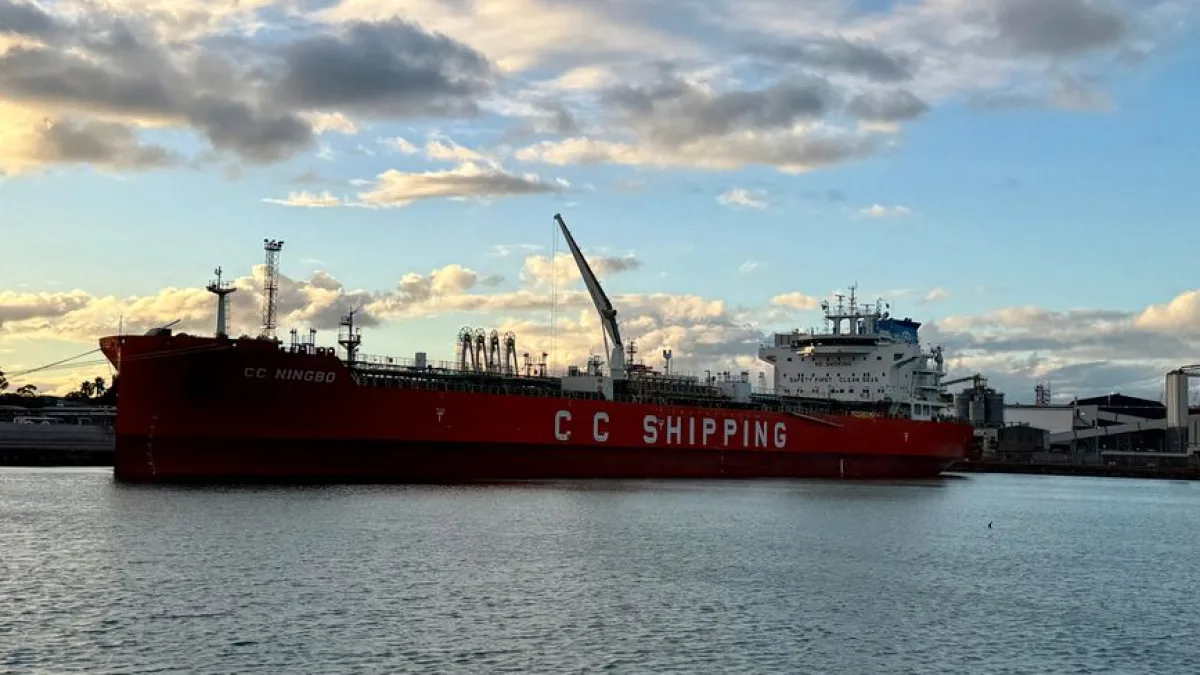
Mastering freight operations requires the right combination of efficient technology and strategic process management. By digitizing workflows and prioritizing transparency, your firm can navigate the challenges of global trade with greater speed and accuracy. Leverage MakeCargo to transform your operational efficiency and start delivering superior service to your clients today. Success in logistics depends on your ability to adapt to constant change.