Optimizing Freight Operations for Modern Logistics Efficiency
Friday, September 25 2026
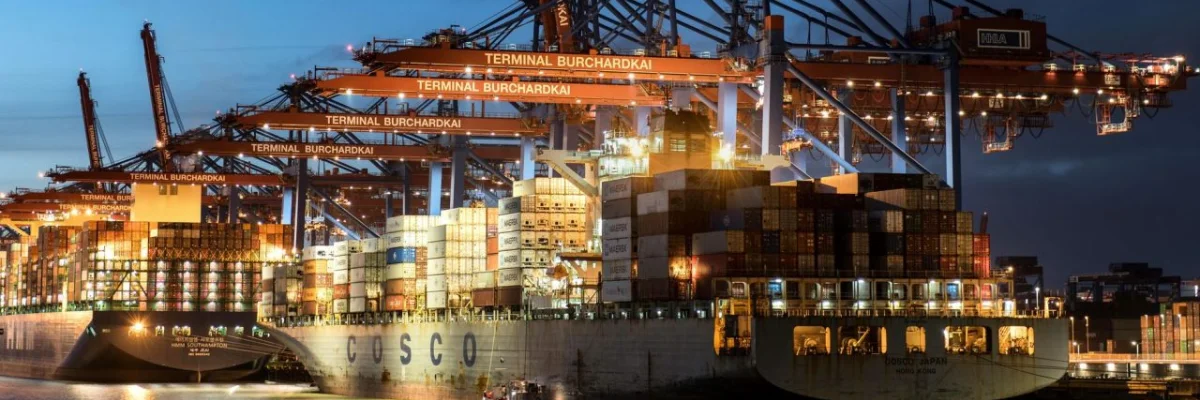
Modern freight forwarding requires a delicate balance between speed, cost management, and complex regulatory compliance. As global supply chains face unprecedented volatility, forwarders must leverage advanced digital tools to maintain operational visibility and client trust. Transitioning from legacy manual processes to integrated cloud-based platforms is no longer a luxury but a strategic necessity for survival. By automating routine workflows, forwarders can reclaim valuable time and focus on delivering high-value logistics solutions. Embracing digital transformation empowers teams to respond rapidly to market shifts while ensuring that every shipment moves through the network with precision, reliability, and consistent performance across all international transit points.
Digitizing Shipment Documentation

Moving away from paper based workflows is the first step toward achieving a truly scalable freight operation. By centralizing documentation in a cloud platform, teams reduce human error and ensure that critical compliance data is always accessible for customs and partners.
- Automated Data Entry: Implement software that automatically parses bill of lading information to eliminate manual typing errors and speed up the creation of essential shipping documentation for complex international trade.
- Centralized Document Storage: Maintain a secure cloud repository where all invoices, packing lists, and customs declarations are indexed and easily searchable by authorized staff members across global branch offices.
- Instant Status Updates: Configure automated triggers that push status changes to clients immediately, reducing the volume of incoming email inquiries and allowing your team to focus on resolution.
- Compliance Error Checking: Utilize built-in validation rules that scan shipment data against international trade regulations to flag potential errors before documents are submitted to port or customs authorities.
- Standardized Document Templates: Create custom document templates that ensure brand consistency and data integrity, allowing staff to generate professional shipping paperwork in seconds instead of working from scratch.
Digital documentation serves as the backbone of an efficient freight forwarding company today. By eliminating the reliance on physical files, firms reduce their overhead costs and minimize the risk of missing critical information during audits. This shift allows for faster document processing cycles, ensuring that cargo moves seamlessly through customs checkpoints without unnecessary delays. Ultimately, this approach turns administrative burdens into a streamlined asset for your business.
Optimizing Carrier Management
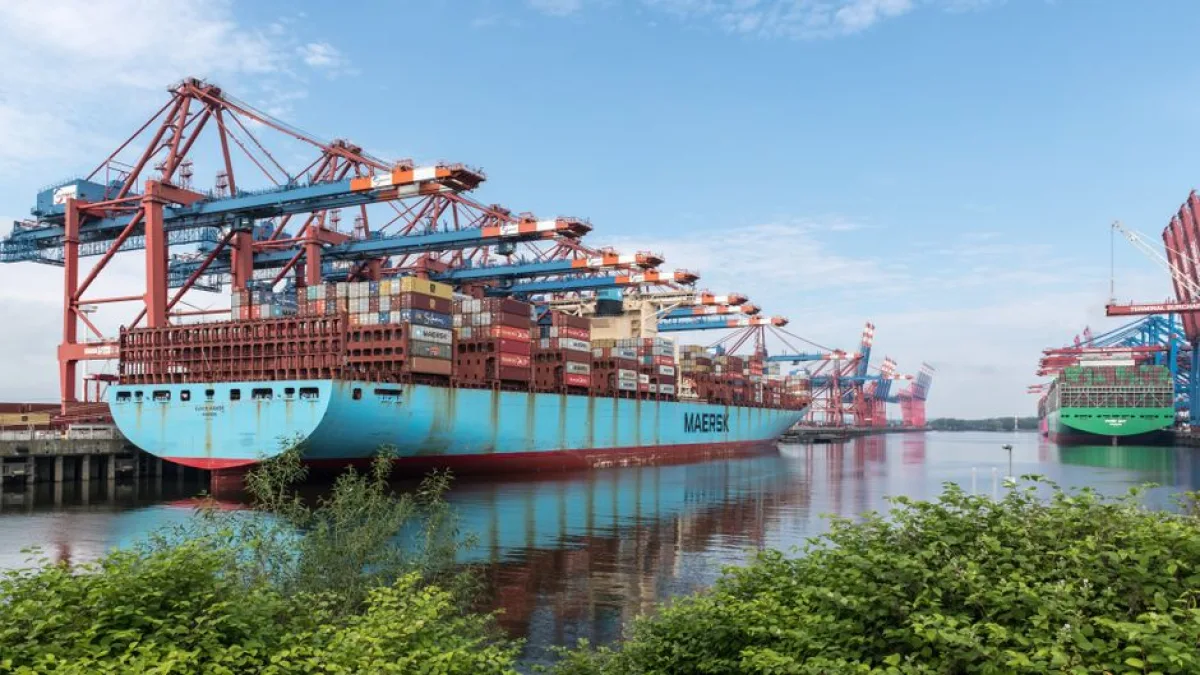
Effective carrier management is crucial for maintaining margins and ensuring reliable transit times for your customers. By monitoring carrier performance metrics within your software, you can make data-driven decisions that prioritize the most reliable partners for your specific logistics lanes.
- Performance Analytics Dashboards: Visualize key performance indicators like on-time delivery rates and average billing accuracy to identify which carriers provide the best value for your unique shipping requirements.
- Automated Rate Requests: Deploy automated systems that blast rate requests to your approved carrier network simultaneously, saving your procurement team hours of phone calls and email correspondence daily.
- Carrier Compliance Tracking: Track certifications and insurance validity automatically to ensure that every partner in your network meets the strict safety and financial standards required by your firm.
- Transparent Billing Cycles: Sync your carrier invoices with your software to automatically identify discrepancies or overcharges, allowing for quick dispute resolution and improved cash flow management across shipments.
- Preferred Carrier Tiers: Categorize partners into performance tiers within your platform to prioritize bookings with those who consistently meet your service level agreements and deliver exceptional customer satisfaction.
Managing carrier relationships through a digital platform transforms how you procure and evaluate services. Instead of relying on guesswork, your team can leverage real-time data to select the optimal carrier for every unique lane, balancing cost and speed effectively. This analytical approach creates a competitive advantage, enabling your business to offer more reliable service and maintain healthier profit margins in a fluctuating market.
Streamlining Customs Clearance

Navigating the complexities of international customs is often the most significant bottleneck in freight forwarding. Integrating direct electronic data interchange with customs authorities allows your team to submit declarations accurately and receive clearance results faster than traditional manual processing methods.
- Electronic Filing Integration: Connect your freight software directly to local government portals to enable seamless filing of import and export declarations, which drastically reduces the time spent on processing.
- Duty Calculation Engines: Utilize integrated tax and duty calculators that automatically determine the correct HS code classifications, ensuring that your clients pay the accurate amount of customs fees.
- Regulatory Alert Systems: Receive automated notifications about changing trade policies or regional restrictions that could impact your shipments, allowing your team to proactively advise clients on potential delays.
- Customs Document Mapping: Map shipment data directly into required government forms to ensure that every field is populated correctly, minimizing the risk of rejections by local customs officials.
- Audit Trail History: Maintain a comprehensive digital log of every customs filing, which provides total transparency and ensures you are always prepared for unexpected government audits or inquiries.
Streamlined customs clearance is essential for maintaining a reputation for speed and reliability. By removing the manual hurdles associated with declarations, your operations team can handle higher volumes without increasing staffing costs. This digital precision not only prevents costly delays at the border but also enhances your credibility with clients, as they can trust your firm to navigate complex regulatory environments with complete confidence.
Leveraging Real Time Tracking

Visibility is the primary demand of modern shippers who require granular updates on their cargo status. Integrating real time tracking into your freight operations allows you to offer proactive communication and manage exceptions before they escalate into major customer satisfaction issues.
- Integrated IoT Visibility: Connect your freight platform with real time GPS or IoT sensor data to track container location and environmental conditions like temperature and humidity during transit.
- Automated Exception Alerts: Configure your software to notify your team instantly when a shipment deviates from its planned route, allowing for immediate corrective action and customer communication.
- Customer Self Service Portals: Provide your clients with a branded portal where they can view the live status of their shipments, reducing the need for constant status updates.
- Predictive Arrival Forecasting: Use historical transit data and current weather or port congestion inputs to provide your clients with more accurate estimated times of arrival for shipments.
- Milestone Event Monitoring: Track key milestones such as vessel departure, port arrival, and final delivery, providing a clear map of the entire supply chain lifecycle for every single shipment.
Real time tracking shifts the focus from reactive problem solving to proactive supply chain management. By giving your team and your customers a transparent view of the journey, you build trust and differentiate your services in a crowded market. This high level of visibility is no longer just a perk, it is the standard expectation for global shippers who value security and precision above all.
Conclusion

Optimizing freight operations requires a commitment to digital tools that enhance visibility and speed. By focusing on documentation, carrier performance, customs accuracy, and real-time tracking, forwarders can build resilient and highly scalable businesses. The transition to cloud-based solutions is the key to thriving in the current logistics landscape. Start your journey today to ensure your team remains agile and ahead of the global competition.