Optimizing Freight Operations for Modern Logistics Efficiency
Monday, September 28 2026
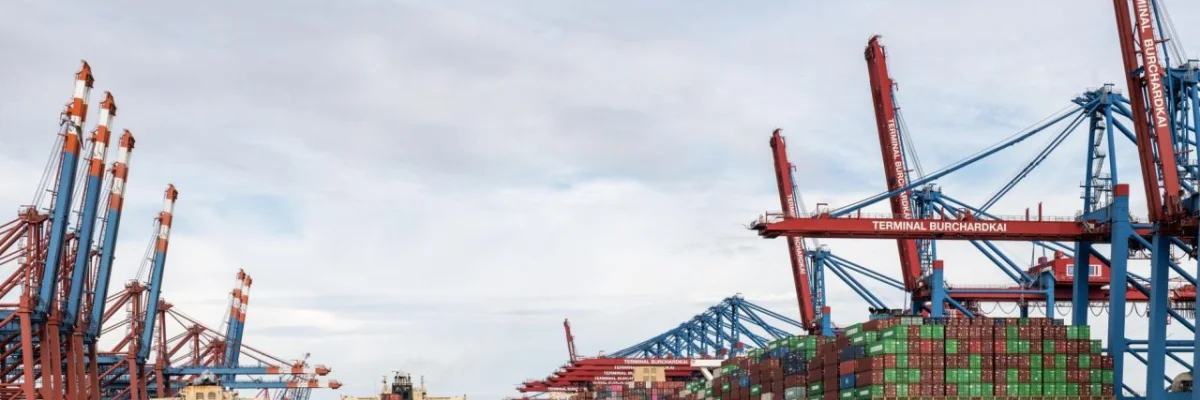
Freight forwarding is currently undergoing a rapid digital transformation that demands agility and precision from every logistics provider. Managing complex supply chains requires moving beyond legacy systems to embrace automated workflows that reduce manual errors and overhead costs. As global shipping lanes become increasingly volatile, professionals must leverage advanced technology to maintain visibility and control over cargo movements. By integrating cloud-based platforms, forwarders can synchronize documentation, communication, and tracking in real time, ultimately securing a competitive advantage in a fast-paced market. This article explores essential strategies for enhancing operational productivity and ensuring seamless performance across all your international freight management activities.
Automating Documentation Processes

Manual data entry often leads to costly bottlenecks in freight documentation. By adopting automated systems, teams can significantly improve accuracy and processing speed for bills of lading, commercial invoices, and essential customs forms throughout every single shipment lifecycle stage.
- Reduced Data Errors: Implementing automated validation rules ensures that every piece of entered information adheres to carrier requirements, which drastically lowers the probability of expensive customs clearance delays.
- Faster Processing Time: Digital document management systems allow your team to generate, share, and sign required paperwork instantly, cutting hours of administrative workload from every individual file processed.
- Centralized Document Storage: Cloud-based repositories provide your staff with instant access to historical shipment data, ensuring that every team member finds the right file without wasting time.
- Seamless Compliance Integration: Integrated software platforms update automatically to reflect changes in international trade regulations, helping your freight business remain compliant with evolving global shipping standards constantly.
Transforming how you manage paperwork creates a foundation for scalable growth and reliability. When staff members stop chasing paper files, they focus on higher value tasks like client relations and strategic route planning. This shift not only lowers operational costs but also improves the overall client experience. Modern digital tools provide the clarity needed to handle increasing cargo volumes while maintaining superior service levels consistently.
Enhancing Real Time Visibility
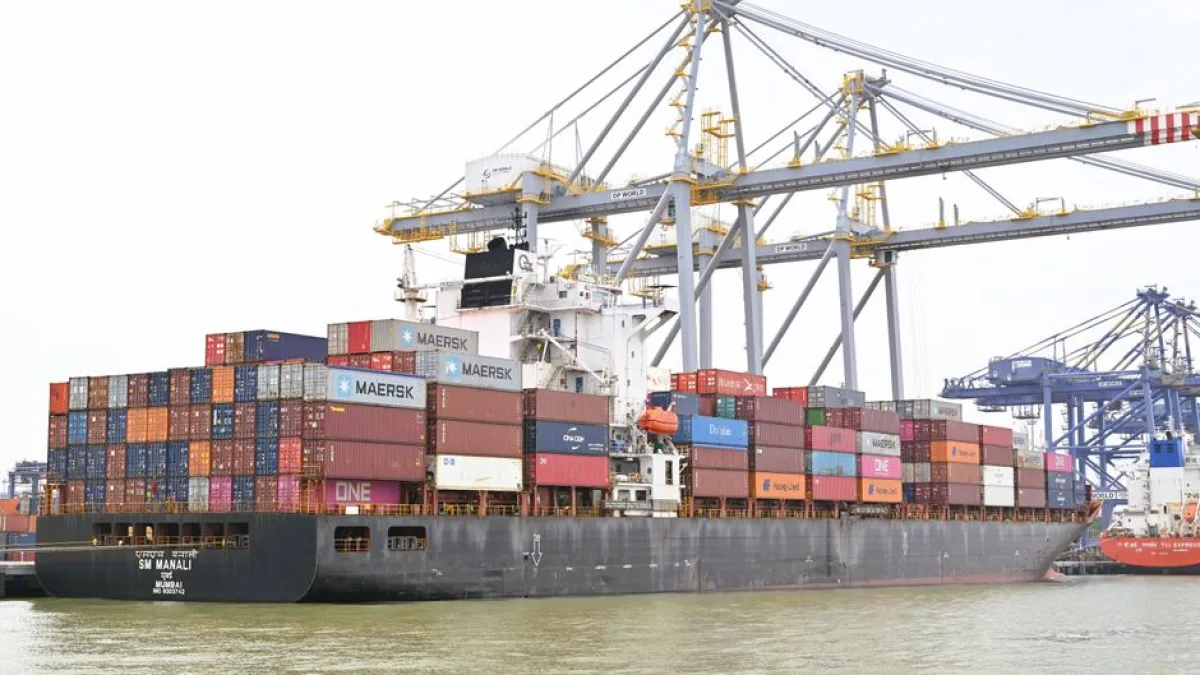
Gaining live oversight of cargo status is vital for keeping clients satisfied and minimizing disruptions during transit. Modern platforms connect directly with carrier APIs to provide instant updates, allowing your team to proactively manage potential shipping delays effectively.
- Proactive Delay Alerts: Advanced tracking systems notify your operations team immediately about route deviations or port congestion, enabling you to inform customers before minor issues become large problems.
- Carrier API Integration: Connecting your software directly to global shipping lines provides live data feeds, which removes the need for manual status checks across many websites.
- Client Portal Access: Providing your customers with a branded portal where they monitor their own shipments increases transparency and reduces the number of inbound service calls.
- Optimized Route Planning: Analyzing historical performance data from your tracking tools helps you select the most efficient carriers and routes for future high priority freight shipments.
Visibility serves as the backbone of trust in the freight forwarding industry today. By giving customers immediate answers regarding their cargo location, you differentiate your brand from competitors who rely on delayed emails or phone calls. A transparent approach reduces anxiety for stakeholders and helps everyone manage expectations. Investing in visibility tools ensures that your operations remain resilient against unpredictable global logistics challenges.
Improving Financial Workflow Management

Effective financial management is critical to maintaining healthy cash flow in freight forwarding. Aligning your invoicing and payment processes with operational milestones ensures that you capture every revenue opportunity without the administrative burden of chasing overdue payments monthly.
- Automated Invoice Generation: Software triggers invoices based on shipment milestones, ensuring that your company gets paid promptly once goods reach their destination or pass specific transit points.
- Accurate Cost Tracking: Mapping every vendor cost against client charges helps you maintain healthy profit margins by identifying hidden expenses that often go unnoticed in manual spreadsheets.
- Faster Payment Cycles: Digital payment gateways enable clients to settle invoices with a single click, which significantly improves your accounts receivable turnover and business liquidity health.
- Clear Audit Trails: Detailed digital logs of every transaction provide full accountability for finance teams, simplifying your end of month reconciliation process and tax reporting requirements yearly.
Financial clarity empowers leadership to make informed decisions about growth and resource allocation. By removing manual reconciliations, your finance team gains more time to analyze profitability trends and optimize service pricing models. A well-integrated financial workflow prevents revenue leakage and keeps your operations lean. Ultimately, automated money management leads to a more stable and profitable freight business in any market condition.
Optimizing Vendor and Carrier Relations
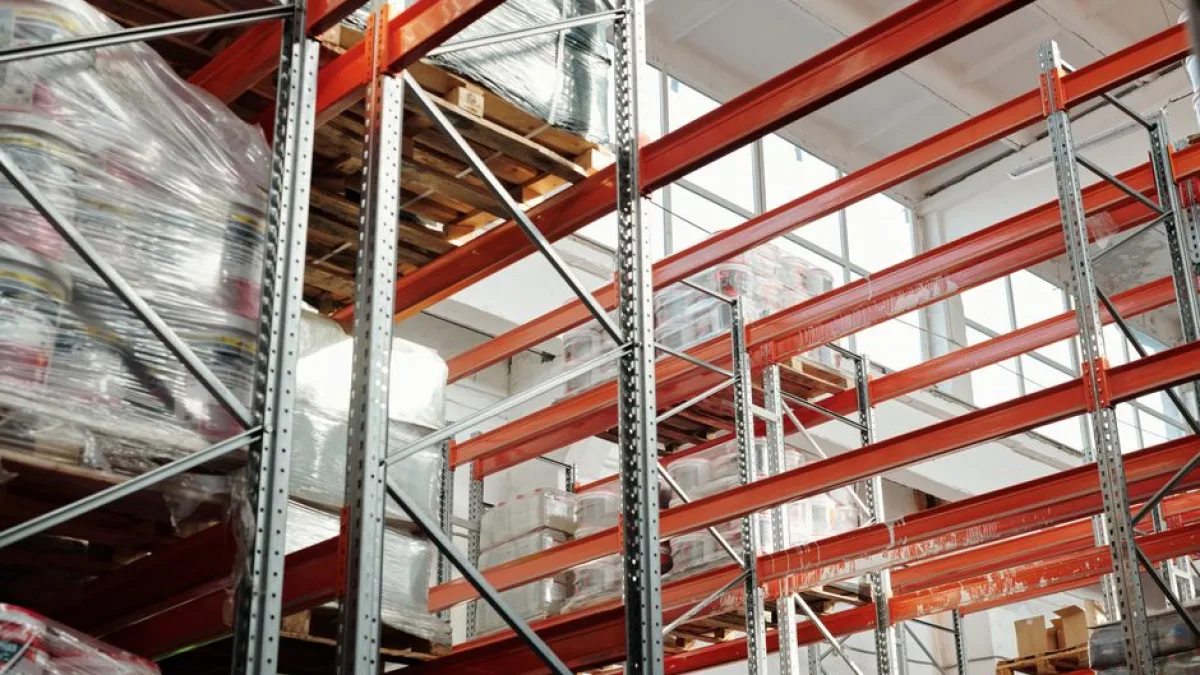
Managing a robust network of carriers and vendors is essential for scaling your forwarding operations. By leveraging digital platforms, you can foster better collaboration, negotiate better rates, and ensure that your partners are aligned with your service standards.
- Structured Carrier Communication: Utilizing a unified messaging system keeps all discussions related to specific shipments in one location, preventing information silos between your team and carriers.
- Performance Benchmarking: Analyzing carrier transit times and reliability scores within your dashboard enables you to select the best partners based on objective data rather than guesswork.
- Simplified Rate Management: Storing all your carrier rate sheets in a searchable digital format makes it easy to find the most cost effective options for every request.
- Strengthened Partnership Feedback: Regular performance reviews supported by data reports encourage open communication with carriers, helping to resolve ongoing operational conflicts before they impact your end customers.
Strong relationships with reliable carriers define the quality of service you deliver to your clients. Digital collaboration tools provide the structure necessary to manage these complex partnerships efficiently while reducing human error in communication. When your operations team communicates clearly with partners, disruptions decrease and cargo flows smoothly. This level of coordination is necessary to maintain a reputation for excellence globally.
Conclusion

Mastering freight operations requires a combination of digital agility and a focus on transparency. By automating documentation, enhancing real time tracking, streamlining financial workflows, and nurturing strong carrier partnerships, your firm will achieve higher efficiency and client satisfaction levels. Start integrating these advanced tools into your logistics strategy today to build a more resilient, scalable, and profitable freight forwarding business for the future.