Optimizing Freight Operations for Modern Logistics Efficiency
Friday, October 2 2026
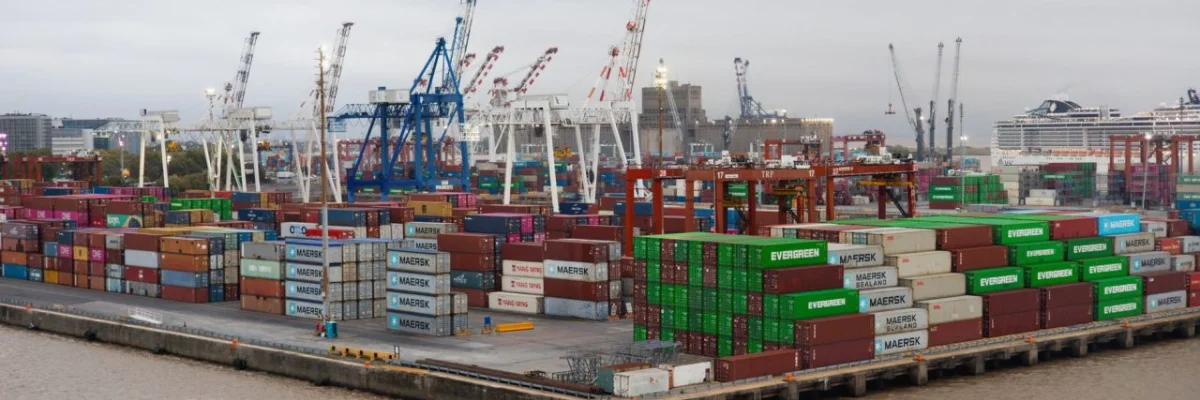
In the rapidly evolving landscape of global logistics, freight forwarders face increasing pressure to balance speed, cost, and visibility. Traditional manual processes often lead to bottlenecks that hinder operational growth and damage client relationships. By integrating cloud-based digital solutions, forwarders can reclaim control over their supply chains and eliminate inefficiencies that slow down shipments. This article explores how to leverage modern technology to streamline complex freight operations, enhance communication between stakeholders, and secure a competitive advantage in an industry defined by its constant, unpredictable movement and high expectations for real-time cargo tracking accuracy.
Automated Workflow Management
Digital transformation begins with automating repetitive tasks that consume valuable staff hours every day. By removing manual data entry and email chains, teams focus on strategy rather than paperwork, ensuring every shipment moves through the supply chain with minimal human error or delay.
- Data Entry Automation: Implementing automated capture tools reduces errors by pulling information directly from documents, saving your team hours of tedious manual input while improving overall database accuracy.
- Centralized Shipment Visibility: A cloud-based platform consolidates all tracking data into one interface, allowing your staff to monitor global shipments without switching between multiple carrier websites or portals.
- Automated Client Notifications: Configure proactive alerts to inform customers of status changes, reducing the volume of inbound status inquiries and significantly improving the overall client experience throughout transit.
- Standardized Document Handling: Standardizing your digital document library ensures that all team members access the latest versions of bills of lading and invoices, preventing costly shipping compliance mistakes.
Adopting automation is no longer a luxury but a necessity for forwarders aiming to scale their business operations. As the volume of global trade increases, the manual effort required to manage individual shipments becomes unsustainable. Transitioning to automated workflows allows your team to handle larger capacities without increasing headcount, providing a scalable foundation that supports consistent growth and long-term financial health for your company.
Effective Carrier Coordination
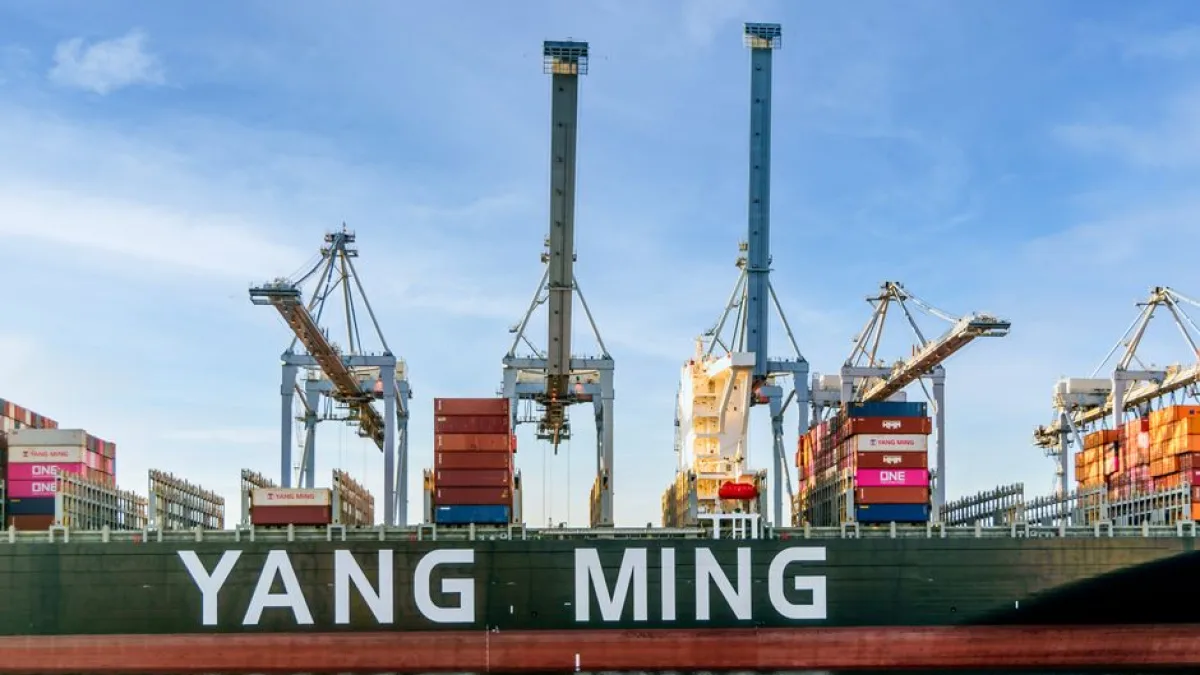
Maintaining strong communication with carriers is essential for meeting deadlines in ocean and air freight. Digital tools simplify how you manage bookings and rate negotiations, ensuring that space is secured efficiently while fostering better relationships with key shipping partners.
- Real-time Booking Portals: Direct system integration with carriers enables your staff to secure space instantly, avoiding the delays associated with manual phone calls or long email wait times.
- Rate Management Tools: Centralizing your rate sheets ensures that the entire sales team has access to current pricing, helping them provide accurate quotes to customers without delay.
- Capacity Utilization Tracking: Monitor space usage across various routes to identify trends and adjust your booking strategies, ensuring that you always maintain sufficient cargo capacity for clients.
- Performance Analytics Reports: Generate detailed performance reports for every carrier to identify which partners provide the most reliability, helping you make informed decisions about your future vendor selections.
Streamlined carrier coordination turns complex logistical hurdles into manageable tasks. When your operational team has instant access to real-time capacity and pricing, they make faster decisions that benefit both the customer and the bottom line. This level of clarity fosters trust with service providers and allows your agency to react swiftly when market conditions shift, keeping your operations resilient against sudden global industry disruptions.
Seamless Customer Communication

Providing customers with high-level transparency builds long-term loyalty in a competitive freight forwarding market. Giving clients self-service tools and clear status updates reduces friction and establishes your brand as a professional leader that prioritizes clarity and constant information flow.
- Client Access Portals: Allow your customers to log in and view their shipment status directly, reducing the need for constant status update requests sent via email or phone.
- Secure File Sharing: Provide a professional environment for exchanging sensitive documents, ensuring that your clients have immediate access to their invoices, packing lists, and necessary customs declarations.
- Interactive Shipment Maps: Visual maps provide clients with a clear understanding of cargo location, which helps manage expectations and reduces anxiety regarding transit times for sensitive shipments.
- Feedback Collection Loops: Use built-in survey tools within the client portal to gather feedback after every delivery, allowing you to identify areas for service improvement continuously.
When you prioritize customer transparency, you transform the relationship from a simple service provider to a true strategic partner. Clients appreciate having the right tools to monitor their logistics in real-time, as it empowers them to plan their internal operations more effectively. This commitment to an open communication style creates a strong competitive advantage that discourages clients from seeking alternative forwarding service providers elsewhere.
Compliance and Document Control

Strict adherence to international trade regulations is vital for preventing shipment holds and heavy fines. Maintaining a rigorous, digitised approach to documentation ensures that every shipment remains compliant with complex customs requirements across borders, keeping your operations safe and highly productive.
- Automated Compliance Checks: Integrated systems alert your team to potential regulatory issues before shipment departure, helping you resolve missing paperwork or incorrect filings before they cause costly delays.
- Digital Audit Trails: Maintain a complete history of every document and communication associated with a shipment, ensuring you are fully prepared for any potential customs audits or inspections.
- Cloud Storage Security: Securely store your essential business documents in the cloud with encrypted backups, ensuring that sensitive information remains protected while accessible to authorized team members anytime.
- Customs Integration Modules: Connecting directly to customs authorities through your software platform speeds up the clearance process significantly, reducing the time your cargo spends waiting at the border.
Compliance management defines the professionalism of a forwarder. By digitizing the document lifecycle, you create an environment where errors are detected early and regulatory standards are upheld automatically. This approach not only protects your agency from legal risks but also speeds up the entire clearance process. A well-managed compliance system provides the peace of mind necessary to focus on expanding your operational capabilities and global reach.
Conclusion

Modernizing freight operations through cloud-based software is the most effective way to improve productivity and scale your logistics business. By focusing on automation, carrier coordination, client communication, and compliance, you create a robust system capable of handling today's global demands. Start optimizing your digital workflows now to ensure your company stays ahead of the competition and delivers exceptional value to your shipping customers.