Optimizing Freight Operations for Modern Logistics Efficiency
Friday, October 2 2026

Freight forwarding is currently undergoing a radical transformation as businesses navigate the complexities of global supply chains and digital integration. Achieving operational excellence requires more than just moving goods from origin to destination; it demands a strategic alignment of technology, human expertise, and transparent communication. By focusing on workflow automation and real-time visibility, forwarders can significantly reduce overhead costs while simultaneously improving customer satisfaction levels. As the industry leans into digital transformation, companies that adopt scalable cloud-based solutions will find themselves better positioned to tackle market volatility and competitive pressures while maintaining high service standards for their global partners.
Automated Workflow Management
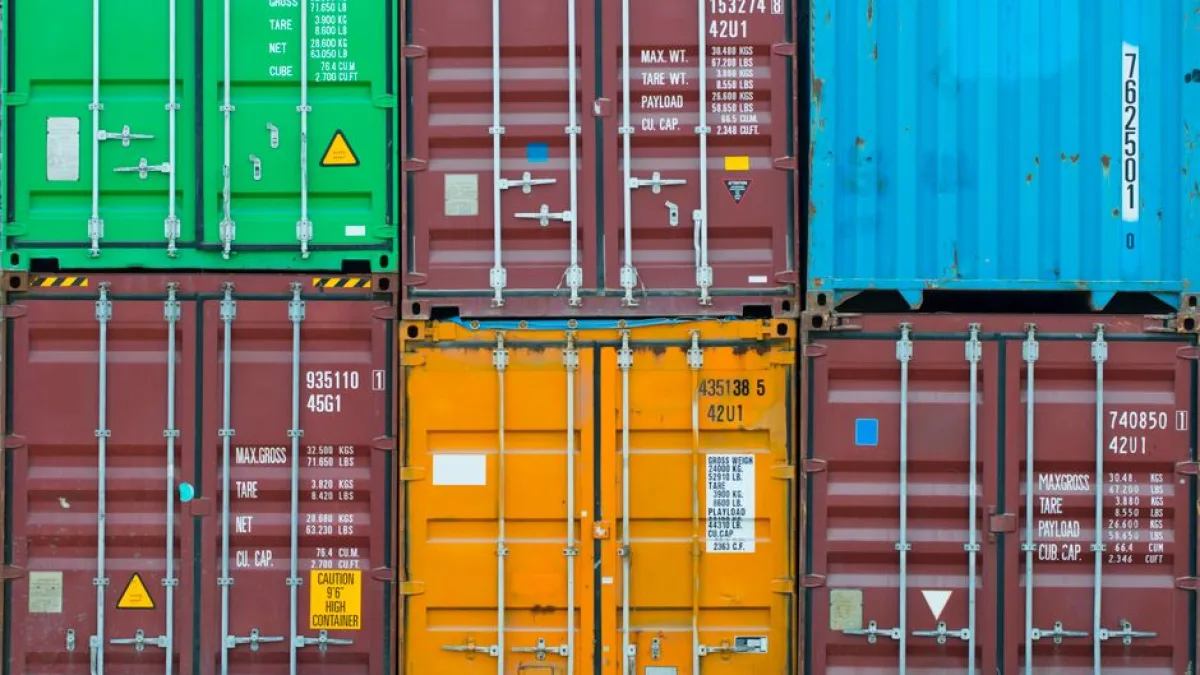
Digital transformation starts with automating manual tasks that consume valuable time. By digitizing documents and streamlining approval processes, teams can focus on high-value logistics challenges rather than administrative burdens that often lead to errors or costly shipping delays.
- Document Digitization Tools: Implementing automated document management reduces the need for manual data entry, which minimizes human error and accelerates the overall processing time for international customs clearance documentation.
- Workflow Task Automation: Assigning specific tasks to team members through automated triggers ensures that every milestone in the shipment lifecycle is completed without missing critical deadlines or updates.
- Integration With Carriers: Seamlessly connecting your platform with ocean and air carrier portals allows for instant data synchronization, providing you with real-time updates regarding shipment statuses and movements.
- Standardized Process Flows: Developing uniform procedures across your entire team helps maintain consistency, ensuring that every shipment follows the same rigorous quality checks before reaching the final destination.
Adopting these automated workflows empowers your team to handle a higher volume of shipments without increasing your overall headcount. By eliminating repetitive data entry and utilizing smart notifications, you create a more resilient operation that remains functional under pressure. Investing in digital infrastructure today prepares your organization for the rapid scaling required to meet future market demands while keeping overhead costs manageable.
Real-Time Shipment Visibility
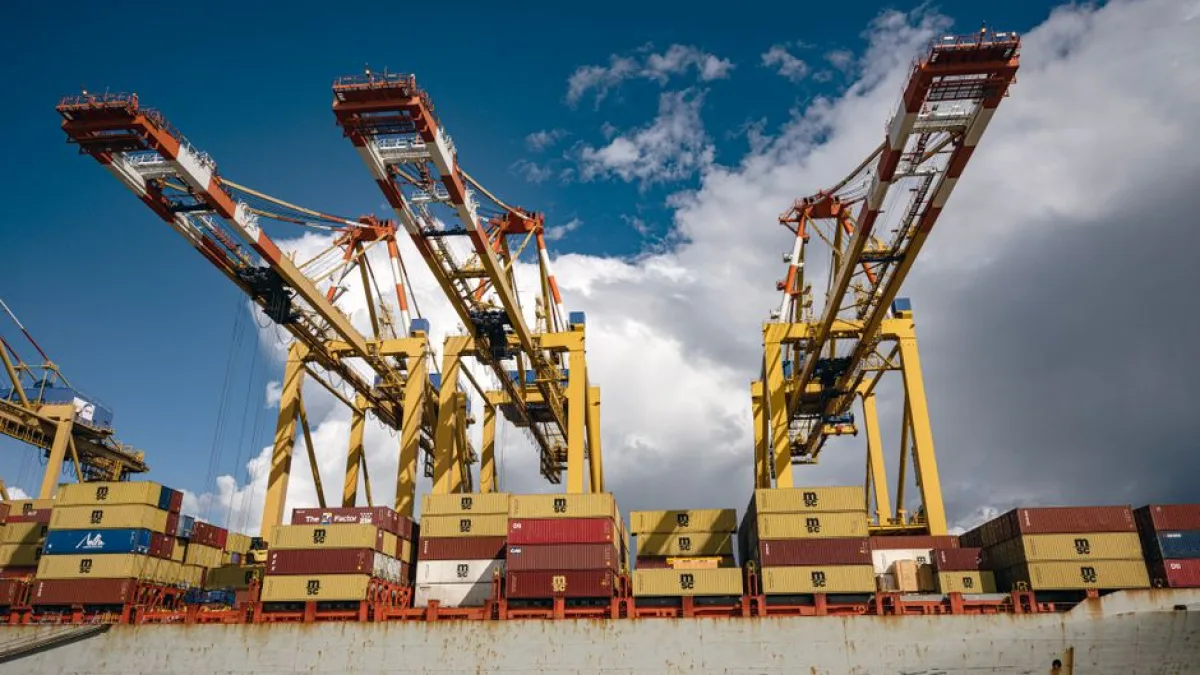
Providing clients with accurate, real-time tracking is a baseline requirement in today's logistics environment. Modern cloud platforms integrate directly with global tracking systems to ensure stakeholders always know the exact status of their cargo, reducing proactive inquiry volume significantly.
- Live Tracking Updates: Integrating live satellite and carrier data into a single dashboard provides customers with transparent, accurate insights into their cargo location throughout the entire shipping journey.
- Automated Client Notifications: Setting up proactive email or SMS alerts for milestone events ensures that your customers feel informed and valued without requiring manual communication from your staff.
- Exception Management Alerts: Identifying potential delays or issues immediately allows your operations team to take corrective action before a problem escalates into a larger, more costly incident.
- Enhanced Data Accuracy: Centralizing tracking information eliminates discrepancies between different carrier sources, providing a single source of truth that builds trust and reliability with your international clients.
When visibility is prioritized, the need for manual status updates disappears, freeing up hours of time for your customer service representatives. This transition moves your business from a reactive state to a proactive partner that customers trust for their most sensitive shipping needs. Transparency is the currency of modern logistics, and superior tracking capabilities provide a competitive edge that is difficult to replicate.
Financial Operational Control

Financial health depends on precise invoicing and automated billing processes that align with actual shipment milestones. Managing costs effectively requires a tight integration between your operational activities and financial reporting systems to ensure accuracy and prevent revenue leakage.
- Automated Invoice Generation: Creating invoices directly from operational data ensures that all charges are captured correctly, reducing disputes with customers and accelerating the entire cash collection cycle.
- Cost Tracking Accuracy: Monitoring every expense associated with a specific shipment allows for detailed profitability analysis, which helps your team make informed pricing decisions for future clients.
- Integrated Accounting Systems: Syncing your freight platform with standard accounting software eliminates double entry of financial data, saving time and significantly reducing the risk of recording errors.
- Customized Financial Reports: Generating detailed reports on margins and operational performance provides leadership with the clear visibility needed to identify high-performing trade lanes and specific profit drivers.
Taking control of your finances is essential for long-term sustainability in the logistics sector. By ensuring that billing is tied directly to real-time shipment events, you prevent discrepancies that often plague traditional freight forwarding operations. This level of financial precision allows your business to optimize cash flow and reinvest in further growth initiatives, ensuring your firm stays profitable in competitive markets.
Strategic Communication Channels

Communication is the backbone of efficient freight forwarding, yet it is often the most fragmented part of the process. Establishing dedicated portals for partners and clients ensures that all parties can collaborate effectively within a single, secure environment.
- Secure Client Portals: Providing a dedicated space for customers to view documents and shipment statuses creates a professional experience that reinforces your brand and simplifies information sharing.
- Agent Collaboration Tools: Simplifying how you share information with international agents reduces friction, ensuring that everyone involved in the supply chain remains aligned on specific operational requirements.
- Unified Communication Threads: Keeping all messages tied to a specific shipment prevents important details from getting lost in general email inboxes or misplaced chat history logs forever.
- Internal Team Messaging: Centralizing team discussions around specific operational tickets ensures that all stakeholders have access to the same context, leading to faster and more accurate resolutions.
Optimized communication is about more than just talking; it is about providing the right information to the right people at the right time. By moving away from disjointed email chains and adopting centralized communication tools, your organization will minimize misunderstandings and boost productivity across the board. This unified approach is exactly what modern logistics providers need to foster lasting, high-value client relationships.
Conclusion
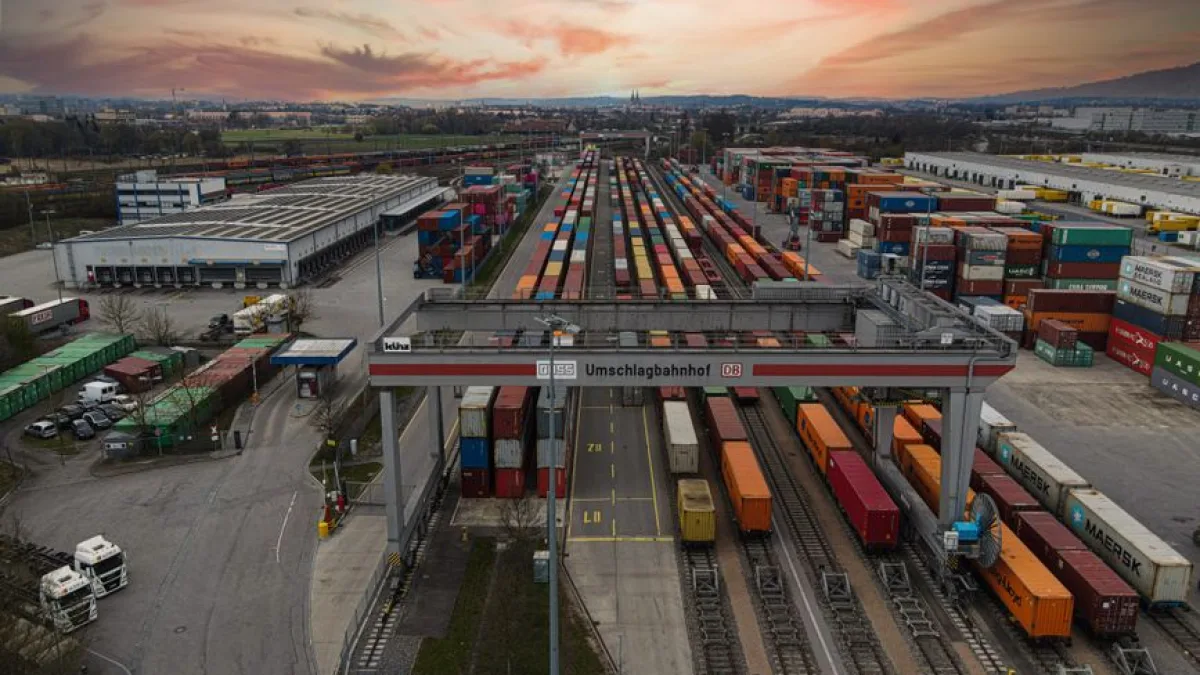
Improving freight operations requires a commitment to digital tools that enhance efficiency and transparency. By automating your workflows, prioritizing visibility, mastering financial management, and streamlining communication, you can build a more scalable organization. Implementing these strategies will not only save valuable time but also position your freight forwarding business for long-term success in a fast-paced global economy. Start your optimization journey today.