Optimizing Freight Operations for Modern Logistics Efficiency
Thursday, October 8 2026

Modern freight forwarding requires a delicate balance between rapid document processing and complex international regulatory compliance. As global trade volumes fluctuate, logistics providers must move beyond manual spreadsheets to remain competitive in an increasingly digital landscape. By integrating cloud-based platforms, forwarders gain real-time visibility into their supply chains while reducing the risk of human error in documentation. This shift toward automation allows teams to focus on high-value client relations rather than repetitive administrative tasks. Efficient freight operations serve as the backbone of successful logistics companies, ensuring that cargo moves seamlessly from origin to destination regardless of global disruptions.
Digital Documentation Management

Moving away from physical paperwork is essential for improving data accuracy and speed within your brokerage. Digital document management creates a centralized repository where team members can access critical shipping information, customs declarations, and commercial invoices instantly from any global location.
- Cloud storage integration: Centralizing your files in the cloud ensures that your remote and office teams access the same version of critical shipping documents without risking lost or misplaced paperwork.
- Automated data extraction: Modern software tools utilize advanced scanning technology to pull critical information from bills of lading, which drastically reduces the need for manual data entry by staff.
- Version control systems: Implementing strict versioning protocols prevents costly errors during the final submission of customs declarations when multiple agents are working on the same shipment file simultaneously.
- Secure access controls: Protecting sensitive client data requires sophisticated permission settings that ensure only authorized personnel can view or edit confidential commercial documents within your logistics software platform.
Adopting a paperless workflow significantly reduces the time your team spends chasing down missing files or verifying outdated information. When documents are digitized, you achieve a higher level of transparency that clients expect in modern shipping. This transition empowers your staff to resolve documentation discrepancies within minutes, keeping the supply chain moving smoothly and preventing unnecessary storage fees or port delays for your customers.
Real-Time Shipment Tracking
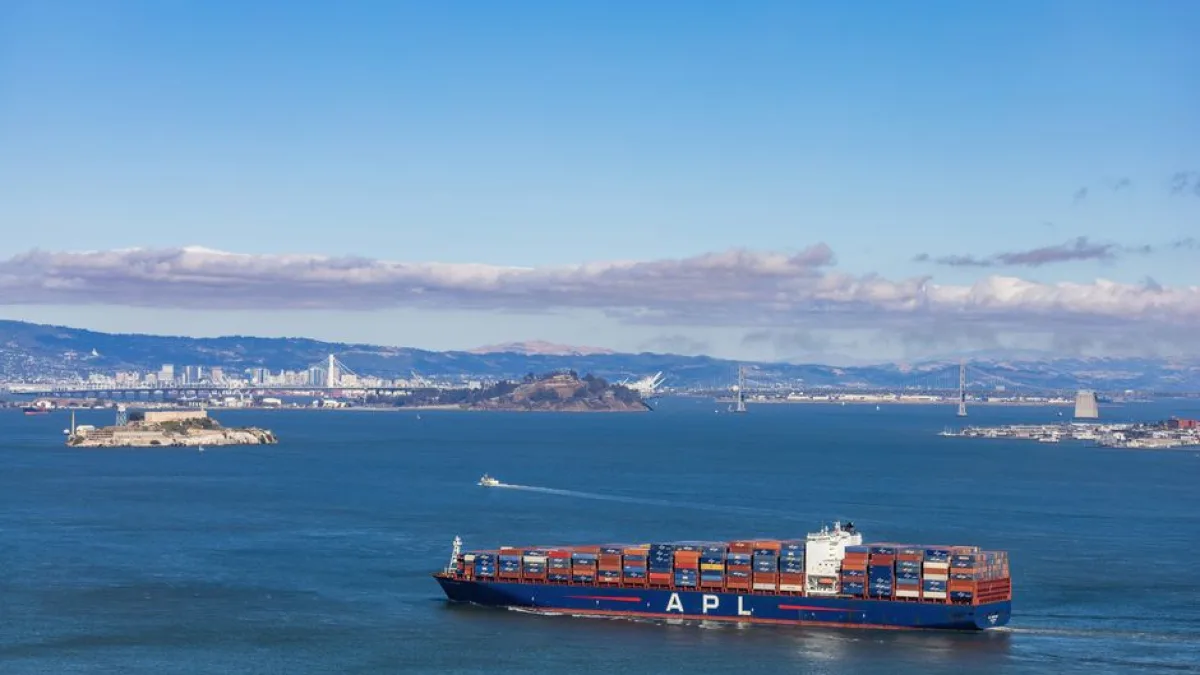
Visibility is the primary demand of today's shippers, who require updates on cargo status at every transit point. Implementing real-time tracking systems provides your team with the data necessary to provide proactive communication, effectively preventing surprises before they impact your clients.
- Automated status updates: Configure your freight platform to send automatic email alerts to customers whenever a vessel reaches a specific milestone or experiences a delay during maritime transit.
- GPS tracking integration: Connecting your dashboard with live satellite data allows you to monitor the exact coordinates of inland trucking or ocean vessels during the entire journey.
- Exception management alerts: Proactive monitoring tools notify your operations team immediately when a shipment falls behind schedule, allowing for rapid rerouting or communication with the affected stakeholder.
- Customer portal access: Providing clients with a secure login to view live status updates reduces the volume of repetitive status check inquiries your team handles every day.
Providing real-time visibility transforms your relationship with clients by shifting from reactive to proactive communication styles. When shippers can view the status of their cargo via an online portal, they gain trust in your operational capabilities. This transparency builds long-term loyalty and sets your company apart from competitors who still rely on manual email updates that lag behind the actual shipment progress.
Customs Compliance Automation
Navigating the complex maze of international customs regulations demands precision to avoid heavy fines or shipping delays. Automation software simplifies this process by ensuring that all regulatory codes and tariff classifications are applied correctly based on the latest available government data.
- Automated tariff lookup: Integration with global trade databases allows your system to automatically suggest the correct Harmonized System codes for every item listed on your commercial invoice.
- Compliance validation checks: System algorithms automatically flag potential errors or missing data in customs forms before they are submitted to national authorities, ensuring high accuracy levels.
- Regulatory update alerts: Stay ahead of changing trade laws with notifications that inform your team when specific country requirements change for your frequently traded commodity goods.
- Digital signature authentication: Securely manage customs authorizations and legal power of attorney documents electronically, which speeds up the approval process for import and export declarations significantly.
Automation does not replace the human element of customs brokerage, but it provides a safety net that protects your firm from costly compliance mistakes. By reducing the reliance on manual classification, your staff can handle higher volumes without increasing headcount. Keeping your operations aligned with the latest legal standards protects your reputation as a reliable forwarder while keeping the flow of international commerce efficient.
Vendor and Carrier Collaboration

Building strong relationships with carriers and vendors requires clear communication and standardized operational processes. A cloud-based platform acts as a unified hub where all logistics partners can collaborate, share information, and resolve disputes without resorting to chaotic email threads or lost voice messages.
- Unified vendor portal: Give your carriers a dedicated interface where they can submit proof of delivery, update booking status, and communicate directly with your internal operations staff.
- Collaborative task management: Assign specific operational tasks to external partners and track their progress through the software to ensure that every stage of the shipment completes.
- Centralized invoice approval: Simplify the carrier payment process by automating the reconciliation of invoices against expected shipping costs to ensure accurate billing for your agency.
- Instant message threads: Replace long email chains with chat features pinned to specific shipment files, ensuring that all correspondence remains contextually relevant for everyone involved in coordination.
Effective collaboration with your partners ensures that information flows correctly between parties, which is essential for managing multi-modal transport chains. When carriers and agents work within the same digital ecosystem, the frequency of errors decreases and the speed of execution increases. This synchronized approach helps your team deliver consistent results, fostering stronger long-term partnerships that can survive the fluctuations of the global freight market.
Conclusion

Streamlining your freight operations involves adopting the right technology to reduce administrative burdens while increasing operational transparency. By focusing on document management, visibility, compliance, and partner collaboration, you establish a resilient foundation for future growth. Implementing these strategies will help your freight forwarding business remain agile and competitive. Start optimizing your digital workflows today to experience higher margins and improved client satisfaction across all shipments.