Optimizing Freight Operations for Modern Logistics Efficiency
Thursday, October 15 2026
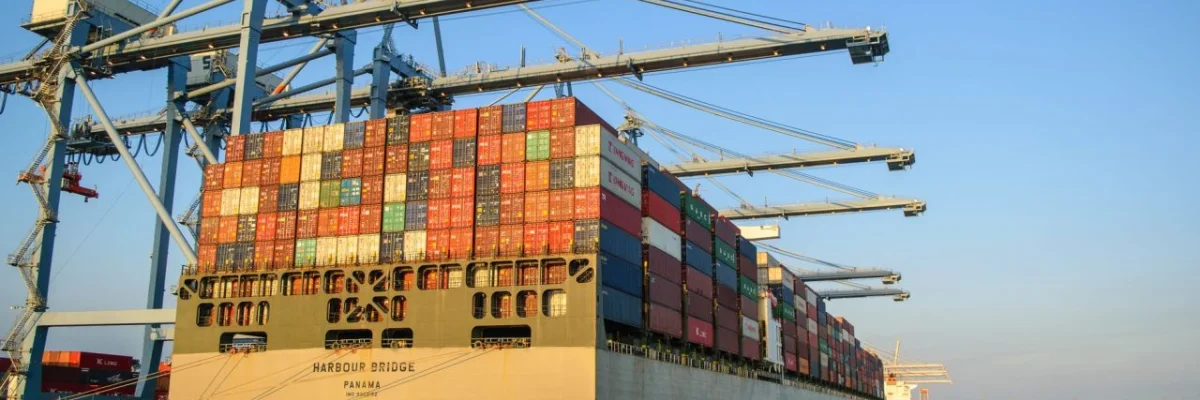
Modern freight forwarding requires a delicate balance between complex global logistics and the rapid demand for digital transparency. As supply chains grow more intricate, the traditional manual methods of tracking cargo and managing documentation often become significant bottlenecks for growing teams. Forwarding professionals today must embrace cloud-based solutions to remain competitive in an increasingly volatile market environment. By prioritizing data visibility and process automation, companies can reduce human error, minimize operational delays, and provide superior service levels to their clients. Transitioning to a digital-first operational model is no longer merely an advantage but a fundamental necessity for sustainable business growth.
Digitizing Documentation Workflows

Moving away from paper-based systems is the first step toward achieving operational excellence in logistics. Digital document management ensures that every bill of lading and customs form is stored securely, easily accessible, and instantly shareable with relevant stakeholders during the shipment lifecycle.
- Centralized document repository: Cloud systems allow your team to store all shipping documents in one secure location, preventing data loss and reducing the time spent searching through scattered email threads.
- Automated data extraction: Intelligent software tools can automatically pull key information from invoices and packing lists, significantly reducing manual typing errors that cause expensive shipment delays and compliance issues.
- Version control tracking: Maintaining a clear history of document edits ensures that every team member works with the latest information, preventing miscommunications between agents and your busy warehouse operations staff.
- Secure client access: Provide your customers with a private portal where they can download their own documents, reducing the administrative burden on your staff to respond to routine document requests.
Adopting a digital documentation strategy transforms how your team handles administrative tasks. By eliminating the reliance on physical paper, you decrease the risk of lost records and improve overall response times. Your staff gains the ability to focus on high-value tasks like customer service and business development rather than mundane data entry. This transition ultimately creates a more professional, reliable, and error-free logistics operation.
Real-Time Shipment Visibility
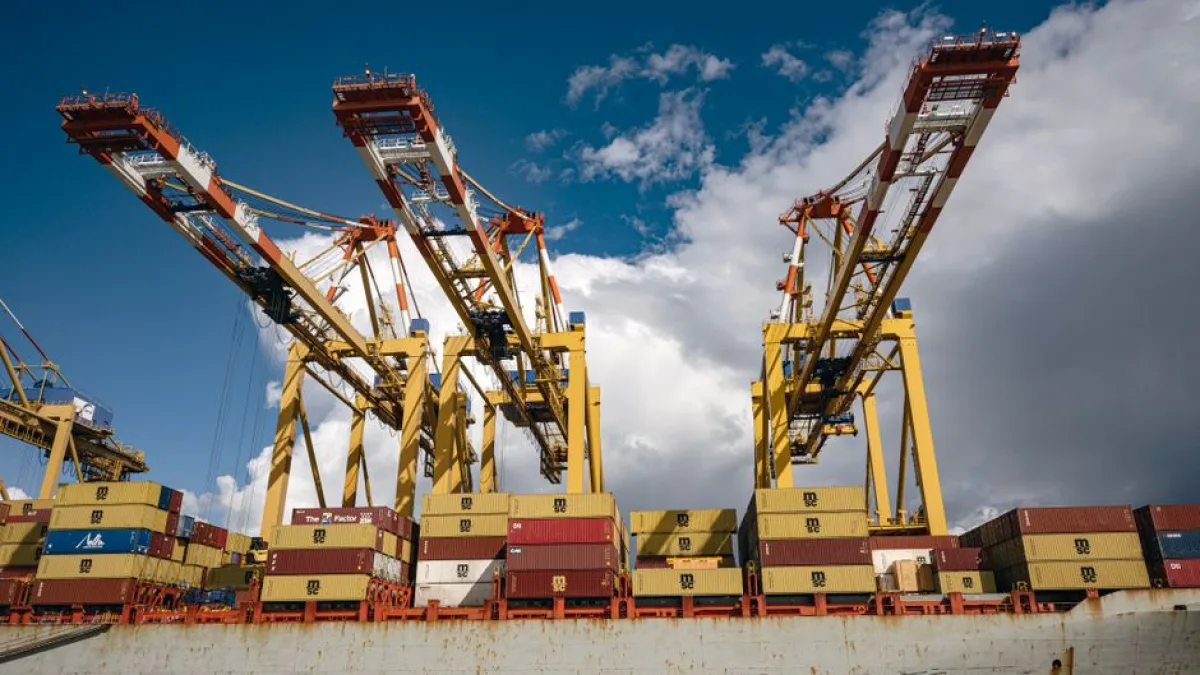
Visibility is the backbone of modern freight forwarding, providing clients with peace of mind regarding their high-value cargo. Real-time tracking capabilities allow forwarders to proactively manage expectations, solve potential transit disruptions, and maintain high standards of transparency throughout the shipping process.
- Live GPS tracking: Integrate your software with carrier APIs to receive automatic location updates, ensuring that you always know exactly where your client cargo is moving globally.
- Proactive delay alerts: Automated notification systems identify shipment delays as they happen, allowing your operations team to manage client expectations before they notice the disruption to their schedule.
- Milestone status updates: Configure custom triggers to update cargo status at every checkpoint, keeping all stakeholders informed without requiring them to contact your office for manual updates.
- Carrier performance analytics: Track the reliability of different shipping lines and transport providers over time, using historical data to make better choices for your future freight routing.
Achieving total visibility builds lasting trust with your clients by removing the uncertainty often associated with global shipping. When you provide accurate and timely updates, you demonstrate expertise and reliability that separates your agency from the competition. Investing in visibility tools is essential for maintaining client retention and ensuring that your logistics operations remain agile enough to handle unpredictable global events effectively.
Streamlining Carrier Communications
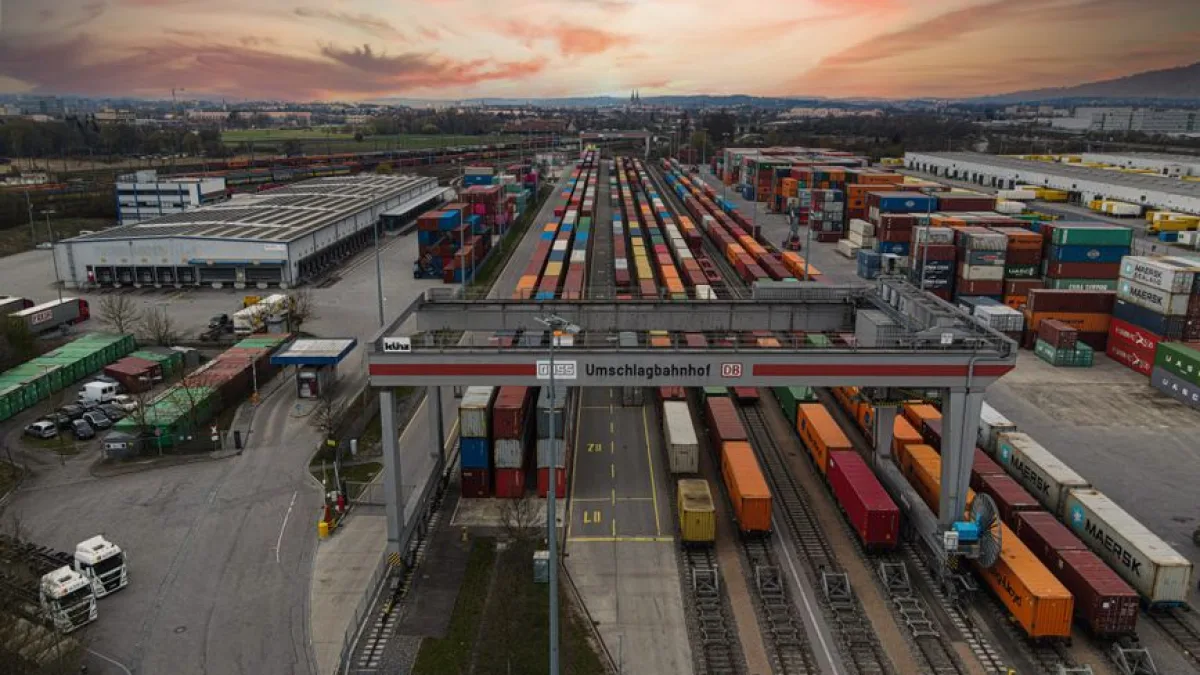
Effective communication between your office and various carrier partners is essential for avoiding logistical pitfalls. Standardizing these interactions through integrated software ensures that every booking, request, and confirmation is handled with maximum precision and speed, keeping your shipping schedules on track.
- Unified communication logs: Keep all carrier conversations inside the shipment file so your entire team can view the status of a booking without asking around the office space.
- Automated booking requests: Use templates to send standard booking information to carriers, which minimizes the time spent on repetitive tasks and ensures all required details are provided.
- Instant status updates: Receive push notifications whenever a carrier confirms a booking or update, allowing your team to move quickly to the next phase of the shipping process.
- Collaborative agent portals: Invite overseas agents into your platform to coordinate tasks, ensuring seamless collaboration across different time zones without relying on messy and slow email chains.
Optimizing how you communicate with your carrier network reduces the risk of misinterpretation and speeds up the entire fulfillment process. By creating a collaborative environment, you foster stronger relationships with your logistics partners. These improvements not only save time for your operations staff but also result in smoother cargo movements that satisfy your end clients and keep your business running efficiently.
Leveraging Advanced Operational Data

Data is the most valuable asset in your logistics toolkit when used to drive strategic decision-making. By analyzing operational performance, you can identify hidden inefficiencies, refine your pricing strategies, and allocate resources more effectively to maximize your overall profit margins every single quarter.
- Detailed margin analysis: Review the costs and revenues associated with every single shipment, allowing your management team to identify which routes or services are underperforming financially today.
- Automated report generation: Schedule custom reports to be emailed to your leadership team automatically, ensuring that you always have the insights needed to make informed operational choices.
- Resource capacity planning: Analyze historical shipment volume trends to ensure your team is appropriately staffed during peak seasons, preventing burnout and maintaining consistent service quality for clients.
- Custom KPI tracking: Define and monitor specific performance metrics that matter most to your business goals, such as average response time or total documentation processing speed per.
Transforming raw numbers into actionable intelligence gives your firm a significant competitive edge in the freight market. By making decisions based on proven facts rather than gut feelings, you minimize financial risks and improve the consistency of your service delivery. Continuous analysis of your operational data ensures that your business remains adaptable and prepared for the evolving challenges of the logistics industry.
Conclusion

Modernizing your freight operations is a continuous journey that requires the right software infrastructure and a commitment to digital improvement. By digitizing documents, increasing visibility, streamlining communications, and leveraging data, you build a resilient business that can handle the complexities of global trade. Start optimizing your workflow today to empower your team, impress your clients, and secure your long-term success in the industry.