Optimizing Freight Operations for Modern Logistics Efficiency
Monday, October 19 2026

Freight forwarding is currently navigating a period of unprecedented digital transformation that demands agility, precision, and deep technological integration. As global supply chains grow more complex, professionals must shift away from manual processes that hinder growth and lead to costly errors. By adopting cloud-based platforms, forwarders gain the visibility necessary to manage fluctuating cargo demands and regulatory hurdles with ease. Staying competitive in this evolving landscape requires a proactive approach toward automation and data-driven decision making. Forwarders who prioritize these operational improvements position themselves to provide superior service levels while significantly reducing the administrative burden on their internal teams.
Automating Documentation Processes

Manual documentation remains a primary bottleneck for logistics teams, often resulting in delayed shipments and financial penalties. Shifting toward automated systems allows for real-time validation and error reduction, ensuring that critical shipping paperwork meets all international standards and compliance requirements.
- Document Digitization Tools: Centralize all shipping manifests and customs declarations within a cloud interface to eliminate paper trails and ensure that every team member accesses the most accurate information quickly.
- Automated Data Entry: Implement intelligent software features that extract data from incoming emails and invoices to prevent human errors during the manual input of critical shipment tracking numbers.
- Compliance Verification Flows: Utilize built-in regulatory checklists that flag missing fields or invalid codes before a document is ever submitted to port authorities or international customs office personnel.
- Instant Cloud Access: Provide stakeholders with immediate access to digital files, which reduces the time spent on phone calls or email threads regarding the status of pending shipments.
By removing manual paperwork bottlenecks, your team saves hours of repetitive labor each week. This shift allows employees to focus their energy on high-value tasks, such as managing complex customer relationships and resolving unique logistics challenges. When documentation flows smoothly through your digital infrastructure, the entire supply chain becomes more transparent, which leads to improved partner trust and significantly faster processing times for every client account.
Enhancing Real Time Visibility
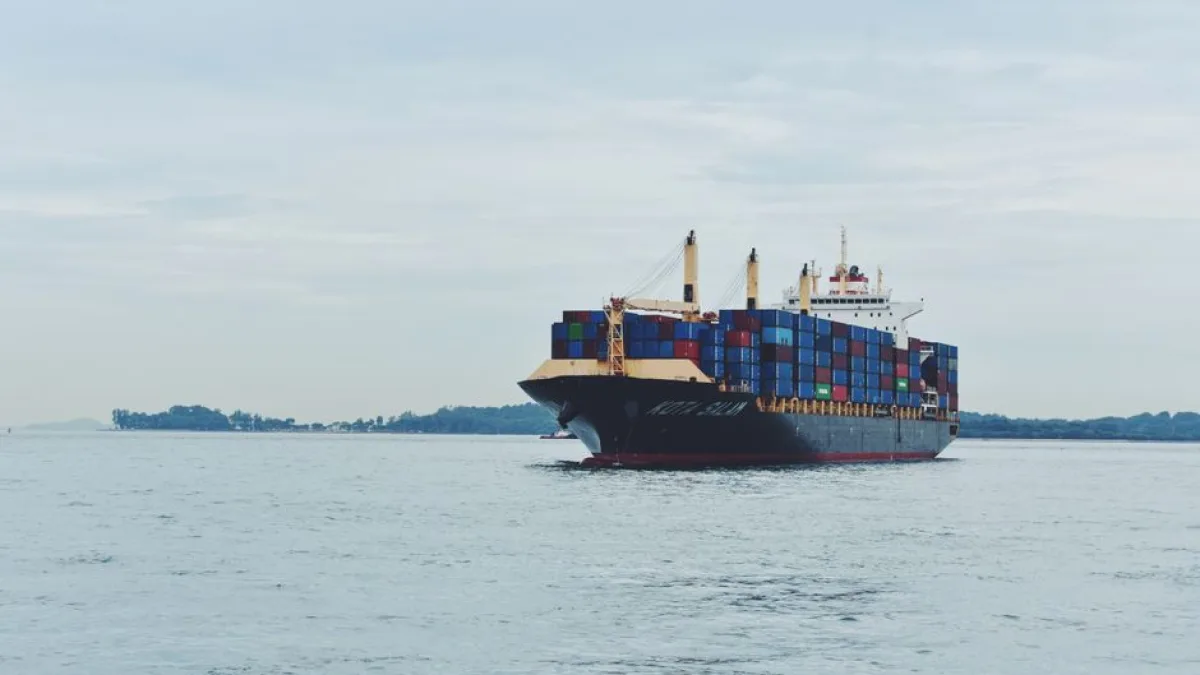
Real-time visibility acts as the backbone of modern freight forwarding, enabling proactive management rather than reactive problem solving. When businesses integrate live tracking feeds, they gain a holistic view of their assets moving across ocean, air, and road networks.
- Live Tracking Integration: Connect your operations platform directly with carrier APIs to receive automatic status updates on vessel locations, port congestion, and unexpected delays in the transit path.
- Proactive Milestone Alerts: Configure automated notifications that trigger when a shipment passes a specific geographical landmark, keeping both internal operators and end clients informed during transit.
- Predictive Arrival Forecasting: Leverage historical data and current congestion metrics to provide clients with more accurate arrival time estimates, effectively managing expectations regarding their complex inventory movements.
- Visual Mapping Tools: Utilize interactive dashboards that display global shipping routes, allowing dispatchers to spot potential disruptions early and reroute cargo before issues escalate into costly delivery failures.
Total transparency changes how you communicate with clients by shifting the dynamic from constant inquiry to proactive updates. When you identify a delay before the customer notices it, you demonstrate professional reliability that strengthens long-term partnerships. Enhanced visibility reduces the volume of status-check emails, allowing your support staff to address more complex service needs while maintaining a high level of operational efficiency throughout.
Optimizing Carrier Management
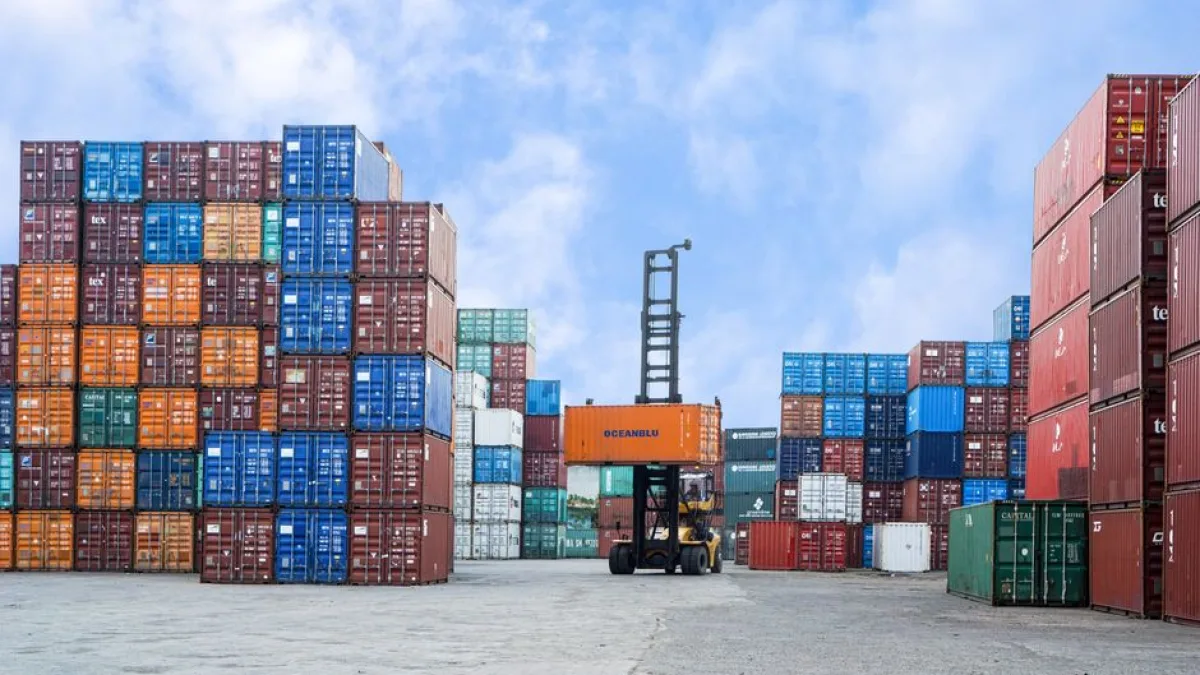
Selecting and managing the right carriers is essential for balancing costs and service quality in a competitive market. A robust platform provides the data insights needed to evaluate carrier performance consistently over multiple shipments and various global trade lanes.
- Performance Analytics Dashboards: Track key metrics such as transit time consistency and claim frequency to identify which carriers offer the best value for your specific shipping requirements.
- Centralized Rate Management: Maintain an organized database of carrier quotes to ensure that your team always selects the most cost-effective option based on current market availability.
- Contract Compliance Tracking: Monitor agreements with your logistics partners to ensure that they adhere to the agreed service level benchmarks while maintaining the negotiated pricing for your firm.
- Dynamic Slot Booking: Use automated booking tools to secure space with preferred carriers, minimizing the risk of rollovers that often disrupt planning schedules and affect client deliveries.
Effective carrier management transforms how you handle volume fluctuations and capacity constraints. By using objective data to select partners, you reduce the risk of underperformance and maximize profit margins on each load. This organized approach ensures that your operations remain scalable as your business grows, providing the reliability required to handle diverse shipping volumes across different regions during seasonal peak times.
Streamlining Financial Workflows

Financial workflows within freight forwarding often suffer from slow billing cycles and payment discrepancies that impact cash flow. Streamlining these processes through software integration ensures that revenue recognition happens as soon as a shipment is completed and all invoices are settled.
- Automated Invoice Creation: Generate accurate freight invoices automatically based on shipment data to ensure that all charges are captured correctly and sent to customers without delay.
- Currency Management Tools: Handle multi-currency transactions efficiently by applying real-time exchange rates, preventing potential revenue leakage due to market fluctuations during the invoicing and collection process phases.
- Payment Reconciliation Systems: Match incoming payments against outstanding invoices within your software to eliminate manual bank statement checks and speed up the overall accounts receivable processing cycle.
- Customized Cost Allocation: Distribute costs across different accounts or shipment lines automatically, ensuring that profit margins are calculated accurately for every single freight movement you handle today.
Efficient financial operations keep your business liquid and ready for new investments. By automating billing and reconciliation, you minimize the risk of human error and late payments that frequently drain resources. When your financial data is integrated with your operational data, you gain a clear view of your company performance, enabling smarter management decisions that drive sustained growth and higher profitability long term.
Conclusion
Mastering freight operations requires the perfect balance of advanced technology and strategic human oversight. By digitizing documentation, enhancing visibility, optimizing your carrier base, and automating financial workflows, you create a resilient foundation for your forwarding business. These improvements not only increase your efficiency but also provide a distinct competitive advantage. Start evaluating your current processes today to identify where automation can drive your future success.