Optimizing Freight Operations for Modern Logistics Efficiency
Friday, October 23 2026
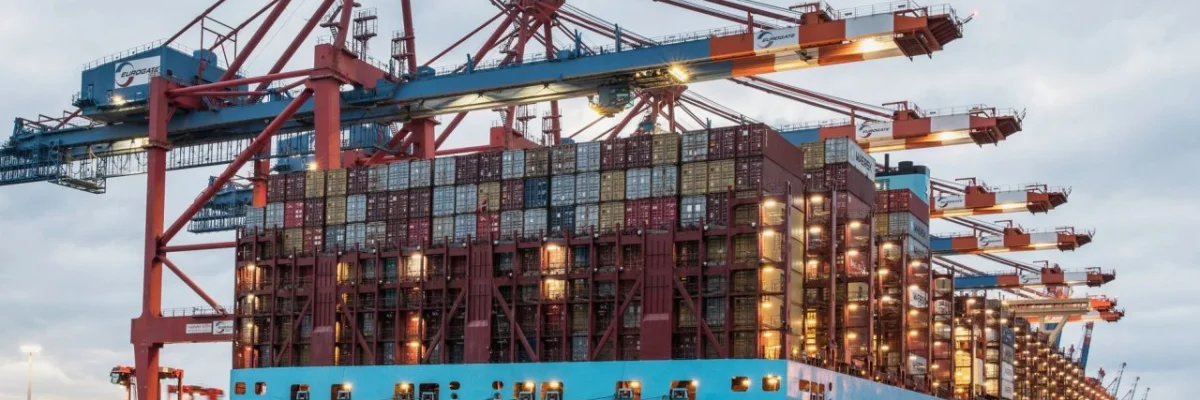
Freight forwarding is currently undergoing a massive digital transformation driven by the need for speed and accuracy in global supply chains. As professional forwarders navigate complex regulatory requirements and fluctuating carrier capacities, the reliance on outdated manual processes often leads to costly errors and operational bottlenecks. Transitioning to integrated cloud-based platforms allows companies to bridge communication gaps between shippers, carriers, and customs brokers seamlessly. By centralizing documentation and real-time tracking within a single interface, forwarders can reclaim lost time, reduce human error, and provide the transparent, high-quality service levels that modern shippers expect in today's highly competitive international trade environment.
Automating Essential Documentation Workflows

Documentation management remains the backbone of freight operations, yet it is frequently slowed by redundant data entry and manual filing. Digital automation tools effectively extract information from shipping instructions and bills of lading to ensure compliance while significantly reducing time spent on administrative tasks.
- Data extraction tools: Advanced optical character recognition technology automatically pulls relevant shipment details from scanned documents, eliminating the need for manual typing and reducing the risk of costly data entry errors.
- Standardized digital templates: Creating pre-configured templates for common shipping documents ensures consistency across every file, allowing your team to generate professional paperwork for diverse clients in just a few seconds.
- Automated workflow alerts: Custom notifications trigger when specific documents are missing or nearing expiration dates, ensuring your team proactively manages compliance before issues cause expensive delays at customs checkpoints.
- Cloud document storage: Centralized digital repositories provide instant access to historical records for all stakeholders, eliminating the need for physical filing cabinets and improving overall document security across global teams.
By shifting away from legacy paper-based systems, freight forwarders can drastically lower the amount of labor-intensive tasks required to complete a single shipment. Automated workflows ensure that every document is accurate, compliant, and accessible to authorized parties at all times. This shift not only improves staff morale by removing repetitive work but also creates a scalable infrastructure capable of handling increased shipment volumes without expanding overhead.
Enhancing Real-Time Shipment Visibility

Providing customers with live updates is no longer a luxury but a fundamental requirement for building long-term business relationships. Leveraging integrated tracking APIs allows forwarders to offer precise, minute-by-minute location status updates that empower clients to better manage their inventory pipelines.
- Integrated tracking APIs: Connecting your management software directly to carrier systems provides automatic, real-time status updates on vessel locations, minimizing the need for manual status checks and endless email threads.
- Customer tracking portals: Providing clients with a private, branded web portal allows them to check their shipment status independently, which significantly reduces the volume of status-related inquiries handled by staff.
- Automated milestone updates: Configurable alerts notify your customers automatically as their freight hits critical transit milestones, such as container gate-in or customs clearance, without any manual intervention from your team.
- Carrier performance analytics: Tracking historical data from various ocean and air carriers helps you identify trends in transit times, allowing you to provide more accurate estimated arrival times to clients.
Visibility serves as the primary currency in modern logistics, as clients value information as much as the actual delivery of their goods. By implementing robust tracking technology, freight forwarders differentiate themselves from competitors who rely on manual updates. This proactive approach to data sharing builds trust and professional credibility, turning everyday service into a strategic partnership that helps clients optimize their own supply chain planning efforts.
Mastering Carrier Capacity Management
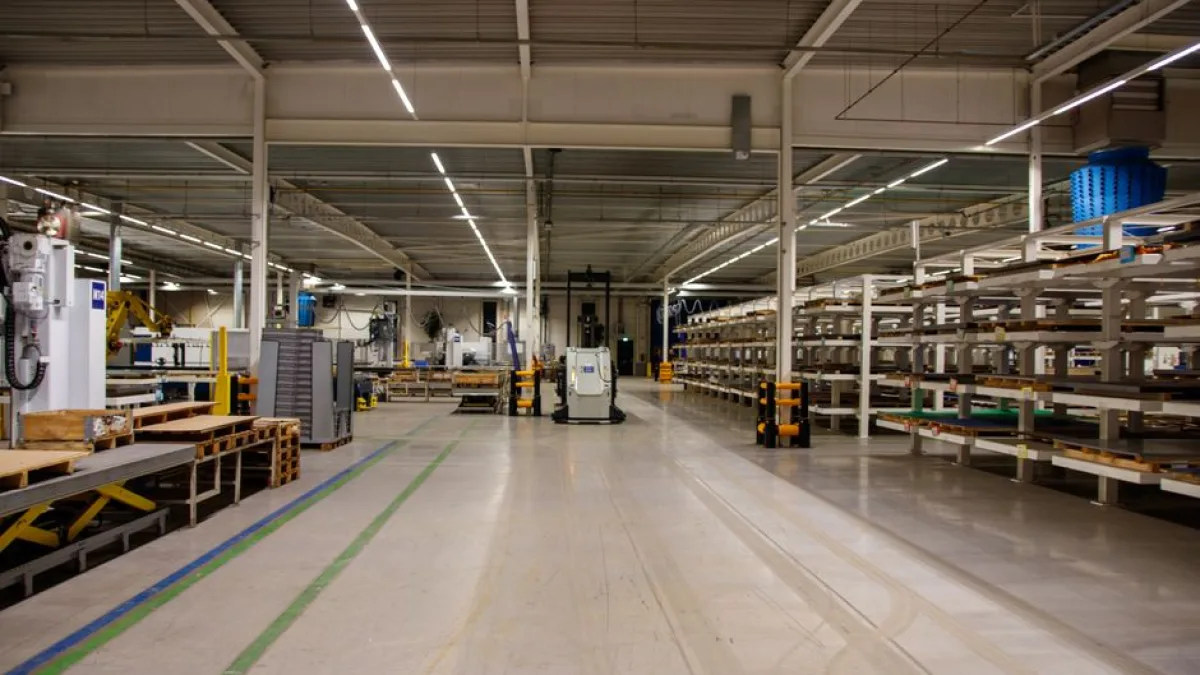
Securing reliable space on ocean and air vessels is a constant challenge, particularly during periods of high market demand and constrained capacity. Forwarders who utilize data-driven planning tools are better equipped to negotiate rates and secure space allocation for their clients.
- Real-time capacity dashboards: Monitoring available space across multiple carriers allows your team to make quick booking decisions, ensuring that you never miss a slot for time-sensitive customer cargo shipments.
- Rate management software: Centralizing carrier contracts within a digital platform helps you compare spot rates against long-term contract pricing, allowing you to select the most cost-effective option for every route.
- Historical booking analytics: Analyzing past shipping volumes helps you predict future capacity requirements, allowing for better negotiation leverage when discussing annual volume commitments with your core shipping line partners.
- Instant quote generation: Providing your sales team with an automated quoting engine based on live carrier pricing ensures that you offer competitive rates while maintaining healthy profit margins consistently.
Effective capacity management requires a balance between cost optimization and service reliability for the end client. By utilizing digital tools to track carrier performance and pricing trends, forwarders can act more strategically rather than reacting to market changes. This proactive stance ensures that you can guarantee space even when market conditions tighten, protecting your reputation and ensuring that your customers' supply chains remain uninterrupted.
Streamlining Internal Team Communication

Internal efficiency often suffers when team members rely on disparate communication channels like phone calls and isolated email threads. Integrating communication directly into the freight management platform ensures that every department stays aligned and informed throughout the entire shipment lifecycle.
- Internal activity logs: Every change made to a shipment record is logged with a timestamp, ensuring that every team member understands the current status without requiring repetitive inter-departmental update meetings.
- Task management modules: Assigning specific tasks to individual team members within the software ensures that responsibility is clear and that no critical operational steps are missed during busy periods.
- Collaborative note taking: Adding internal notes directly to specific shipment files prevents information silos and ensures that everyone has the necessary context to address customer queries effectively and quickly.
- Integrated message threads: Linking communication directly to specific booking files keeps all relevant information in one place, making it easy to transition files between different employees during shift changes.
Successful freight forwarders understand that their software should act as a single source of truth for all operational activities. By consolidating communications, teams can resolve exceptions much faster and avoid the confusion that leads to service failures. This unified working environment fosters a culture of accountability and precision, which directly contributes to higher productivity levels and a significant improvement in overall operational margins per shipment.
Conclusion
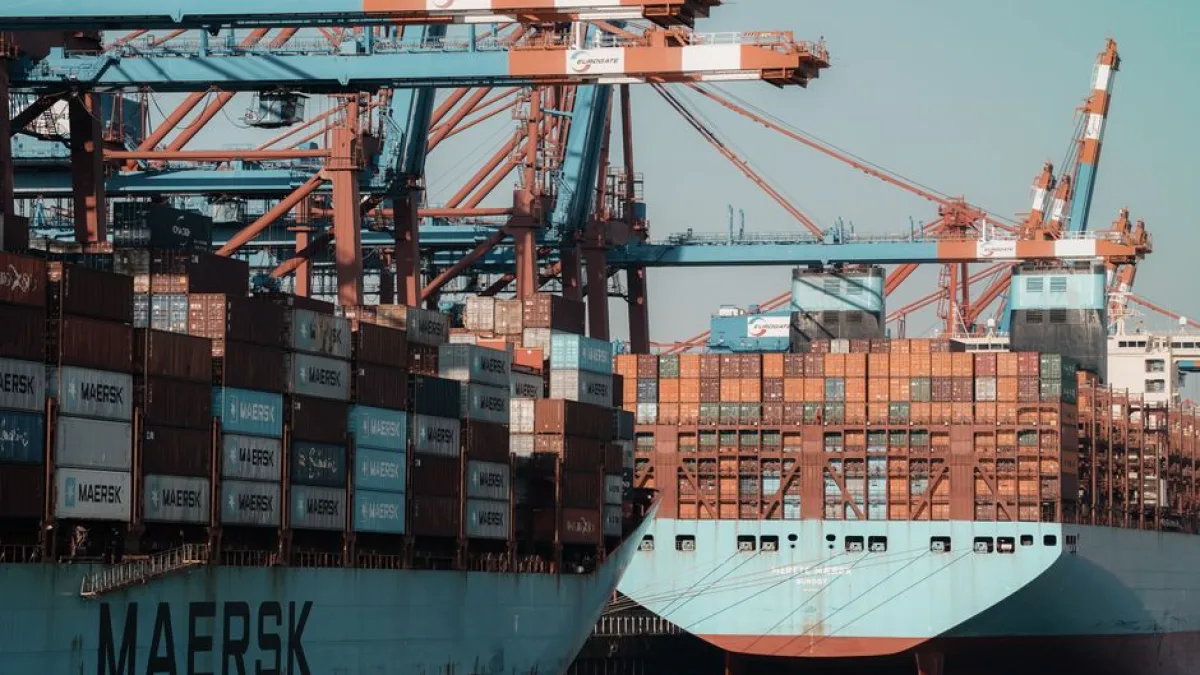
Adopting advanced freight management software is a critical step for forwarders aiming to thrive in an increasingly digital industry. By automating documentation, enhancing visibility, optimizing capacity, and improving internal communication, businesses can scale operations efficiently. Transitioning to modern cloud platforms is essential for long-term success. Contact the MakeCargo team today to learn how our software can help you modernize your daily freight operations.