Optimizing Freight Operations for Modern Logistics Efficiency
Wednesday, October 28 2026
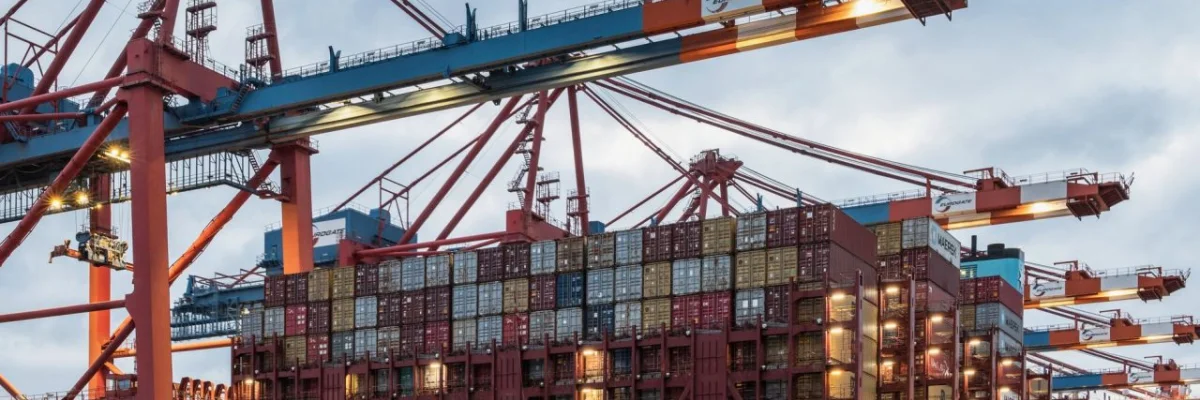
Freight forwarding is currently navigating a period of unprecedented transformation as global supply chains demand higher levels of transparency and speed. For professionals managing these complex networks, manual processes and fragmented data silos represent significant obstacles to growth. Adopting cloud-based platforms is no longer a luxury but a necessity for staying competitive in a volatile market. By digitizing workflows and centralizing communication, freight forwarders can reduce operational overhead, minimize human error, and deliver superior service to their clients. This article explores how modern technology empowers logistics teams to overcome traditional hurdles and achieve sustainable scalability in their daily operations.
Automating Documentation Processes

Manual document handling remains a primary bottleneck that slows down customs clearance and shipment tracking. Transitioning to automated data entry tools reduces the time spent on repetitive tasks while ensuring that all compliance information is accurate and readily available for audits.
- Data accuracy boost: Automating the transfer of information from bills of lading to shipping manifests eliminates the risk of human error that typically occurs during manual data entry processes.
- Faster customs clearance: Digital documentation allows authorities to review and process filings in real time which significantly reduces the wait times usually associated with international border crossing procedures.
- Centralized storage access: Cloud platforms provide a secure repository where all essential shipping documents are stored and remain accessible to authorized team members from any location worldwide.
- Compliance monitoring tools: Integrated software solutions automatically flag missing information or regulatory discrepancies before a shipment departs which helps prevent costly delays and potential fines for your business.
By shifting away from legacy paper-based systems, your team gains more time to focus on high-value tasks like client management and strategic planning. The ability to retrieve documents instantly improves response times when customers inquire about their cargo status. Embracing automation ensures that your operations remain lean, compliant, and ready to handle sudden increases in shipment volume without requiring additional administrative staff resources.
Enhancing Real Time Visibility
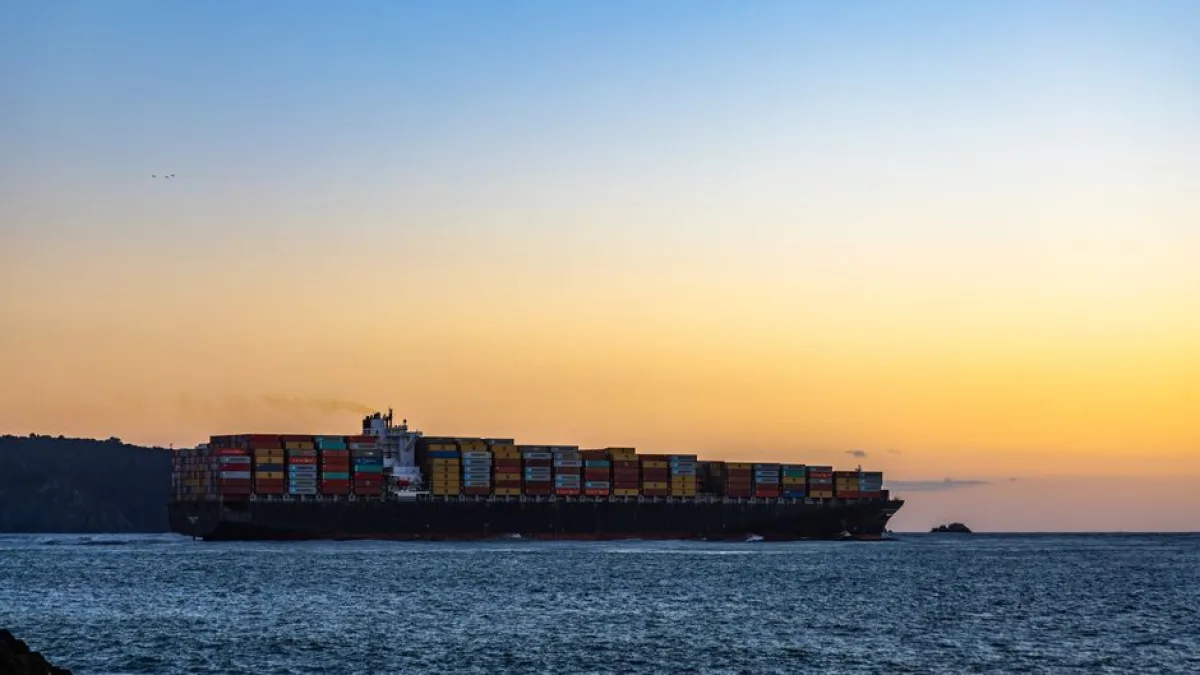
Visibility is the backbone of modern freight forwarding services that maintain high client satisfaction. Providing customers with accurate tracking data prevents constant status inquiries and builds trust through transparency by showing exactly where their cargo is located at every stage.
- Live shipment tracking: Modern freight platforms provide real time updates on cargo locations which allows teams to proactively address potential transit delays before they impact the final delivery.
- Automated status alerts: Configure personalized notifications for your clients so they receive timely updates about their shipments without your staff needing to send individual emails or reports.
- Integrated carrier portals: Connecting directly with shipping lines and trucking companies consolidates tracking data into one interface for a comprehensive view of the entire global supply chain.
- Predictive delay analytics: Advanced algorithms analyze transit data to forecast potential bottlenecks based on weather or port congestion, allowing for better route planning and resource allocation strategies.
Total visibility is essential for managing customer expectations in an era of rapid delivery demands. When you provide accurate, self-service tracking options, your team spends less time on the phone responding to routine status checks. This shift allows your staff to focus on solving complex logistical problems, thereby enhancing your reputation for reliability and professionalism across the international shipping industry.
Streamlining Carrier Communication

Communication breakdowns between forwarders and carriers often lead to confusion and shipment errors. Establishing a unified communication hub ensures that all stakeholders have access to the same information, creating a single source of truth that simplifies multi-modal coordination efforts.
- Unified communication logs: Keeping all emails and messages inside the shipment file prevents information loss and ensures that every team member understands the current status of freight.
- Streamlined booking requests: Standardized digital forms for booking requests reduce the back and forth between forwarders and carriers, speeding up the procurement of space on vessels.
- Real time status updates: Instant communication channels allow carriers to notify you about delays or changes immediately, which helps you manage customer expectations with greater precision.
- Collaborative document sharing: Secure portals enable easy file sharing with carriers and partners, ensuring that everyone is working with the most current version of vital shipping papers.
Efficient communication is the key to maintaining smooth operations when managing diverse carrier relationships. By centralizing these interactions, you prevent critical details from getting buried in personal email accounts. This structured approach to correspondence fosters stronger partnerships with your service providers and minimizes the risk of miscommunication that often leads to shipment failures, ultimately improving the consistency of your delivery performance.
Scaling Through Smart Analytics
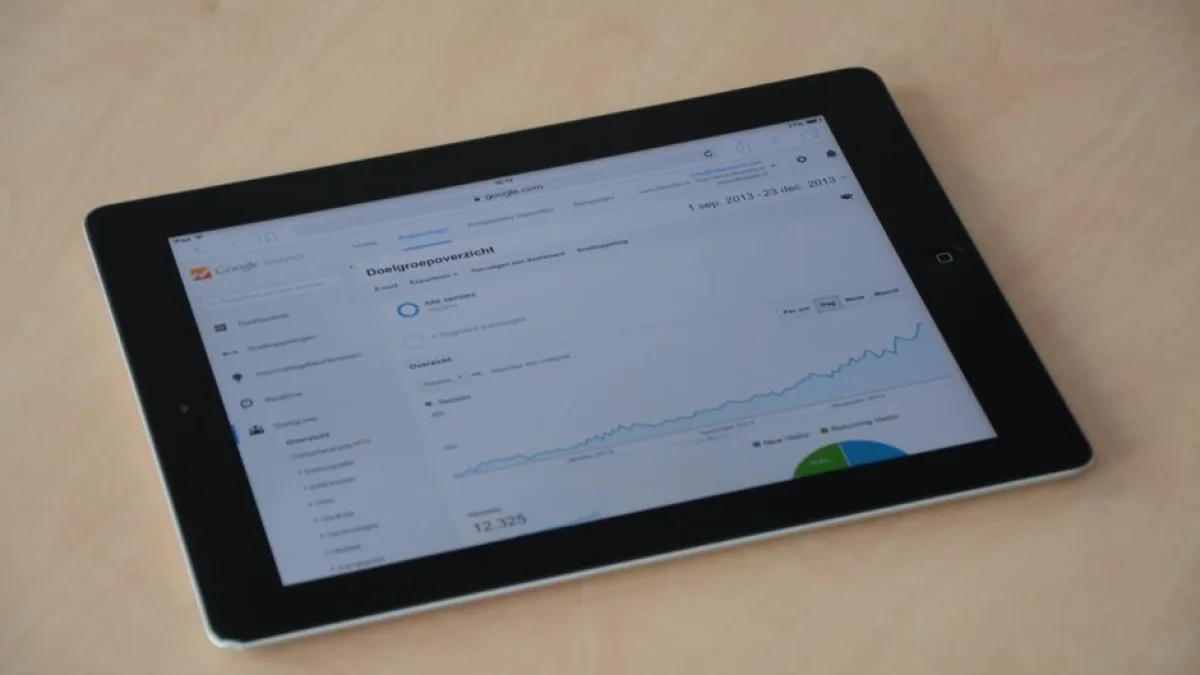
Data is the most valuable asset in modern logistics, provided it is analyzed correctly. Leveraging performance metrics allows freight forwarders to identify inefficiencies, optimize route planning, and make informed business decisions that drive profitability and long-term success for the company.
- Performance metric tracking: Detailed reports on carrier performance and transit times help you identify the best partners to use for specific lanes or high priority cargo.
- Cost optimization insights: Reviewing spending patterns on various freight lanes helps you identify opportunities to consolidate shipments and reduce overall costs for your logistics operations team.
- Revenue growth analysis: Analyzing profitability per client or trade lane allows you to focus your sales efforts on the most successful areas of your forwarding business model.
- Strategic resource allocation: Data driven reports show where your team spends the most time, highlighting areas where additional training or technology upgrades could improve your output.
Investing in analytics turns raw data into actionable intelligence that guides your daily decision making. Instead of relying on gut feelings, you can base your growth strategy on concrete evidence regarding lane performance and operational costs. Utilizing these insights ensures that you remain agile in a changing market while maximizing your profit margins and delivering high value solutions to your customers.
Conclusion

Optimizing freight operations through cloud-based software is the definitive way to scale your logistics business in the modern era. By automating documentation, enhancing tracking visibility, streamlining communications, and utilizing data analytics, you build a resilient foundation for growth. Start modernizing your workflow today to stay ahead of the competition and provide world-class service to your international clients while improving your overall bottom line.