Optimizing Freight Operations for Modern Logistics Professionals
Thursday, August 6 2026
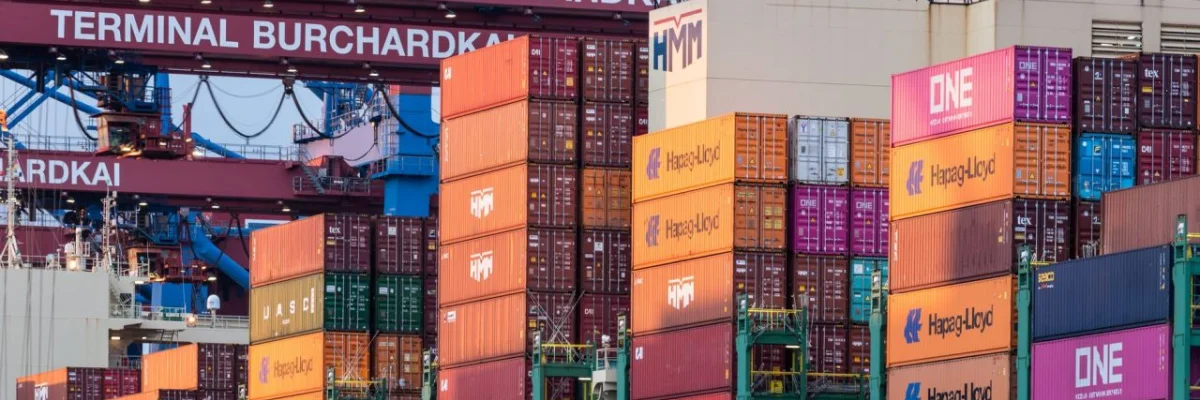
The global freight landscape is shifting rapidly, requiring logistics providers to abandon manual processes in favor of scalable cloud solutions. As shipping volumes grow and supply chains face increased volatility, operational efficiency is no longer just an advantage but a core necessity for survival. Freight forwarders must integrate smart technologies that provide real-time visibility, automated documentation, and seamless communication across all carrier networks. By prioritizing digital transformation today, companies can reduce overhead costs, minimize costly human errors, and provide a superior customer experience that builds long-term loyalty in an increasingly competitive and demanding global marketplace.
Streamlining Documentation Workflows

Effective document management remains the backbone of successful freight operations. By transitioning from paper-based filing systems to centralized digital platforms, forwarders ensure that bills of lading, commercial invoices, and customs declarations remain secure and accessible to stakeholders at all times during transit.
- Centralized Document Storage: Maintain a secure cloud repository for all shipping documents to eliminate physical filing systems while ensuring that team members can access critical information from any global location.
- Automated Data Entry: Implement intelligent software that extracts information from scanned documents directly into your operating system to reduce time spent on manual typing and eliminate potential data entry errors.
- Instant Version Control: Use cloud-based editing tools to ensure every stakeholder is viewing the latest document iteration, preventing confusion and costly mistakes caused by outdated or inaccurate shipping paperwork.
- Digital Signature Integration: Accelerate the approval process by utilizing electronic signatures, which allow your partners to authorize shipments instantly and significantly reduce waiting times for international shipping documentation and processing.
Digital documentation is not merely about storage, as it directly impacts your bottom line. By removing manual bottlenecks, your team can focus on higher value tasks rather than chasing paperwork. Investing in these automation tools ensures your agency operates with higher precision and speed. Forwarders who adopt these digital workflows consistently report fewer cargo delays and higher overall customer satisfaction across their entire service portfolio.
Enhancing Real-Time Shipment Visibility
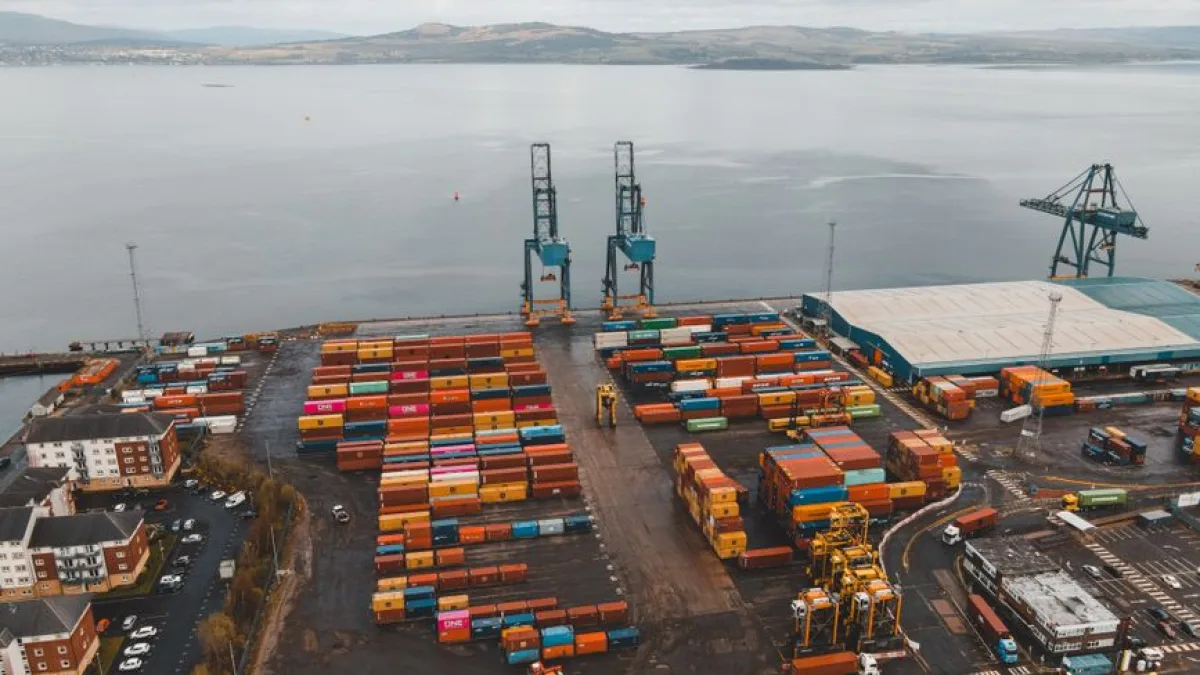
Visibility is the primary currency of modern freight forwarding. Clients demand accurate updates on shipment status, and providing this through automated tracking portals builds the trust necessary to retain accounts and expand business operations within the international shipping market effectively.
- Automated Status Alerts: Configure your software to send proactive notifications to clients regarding shipment milestones, which reduces the volume of manual update requests handled by your customer service team.
- Carrier API Integration: Connect your platform directly with carrier systems to receive live tracking data, ensuring that your dashboard reflects the most current status of every active cargo shipment.
- Interactive Customer Portals: Provide your clients with a branded portal where they can monitor their shipments, download reports, and interact with agents for a fully transparent shipping experience.
- Risk Detection Mapping: Leverage integrated mapping tools that highlight potential weather disruptions or port congestion, allowing your team to inform clients and adjust routing strategies before problems escalate further.
Providing granular visibility into the supply chain empowers your customers to manage their inventory with greater confidence. When clients can track their own assets, they feel more in control of their logistics pipeline. This transparency reduces the need for manual check-ins, allowing your operations team to address exceptional circumstances rather than routine status requests, ultimately driving a much higher level of professional service.
Improving Financial Operational Efficiency

The financial health of a freight forwarder depends on the speed of billing and the accuracy of vendor payments. Integrating automated accounting modules with your operations software ensures that cash flow remains consistent and profit margins are clearly visible at all times.
- Automated Invoicing Cycles: Generate professional invoices immediately upon shipment completion, which significantly reduces the days sales outstanding and improves your company cash flow by accelerating the overall billing cycle.
- Vendor Reconciliation Tools: Match carrier invoices against quoted rates and operational data automatically to identify discrepancies, ensuring you never overpay for services or lose money on hidden fees.
- Dynamic Profit Analysis: Use real-time reporting features to analyze the profitability of individual routes or clients, allowing you to make data-driven decisions regarding your service pricing strategies.
- Multi-Currency Support: Handle international transactions effortlessly with automated currency conversion tools that account for current exchange rates, keeping your financial records accurate and compliant across all global regions.
Financial automation is the secret weapon for scaling a freight agency. By removing the friction from accounts payable and receivable, you gain a clear view of your company performance in real time. Accurate financial reporting allows you to reinvest profits into your business more effectively. With these systems in place, you move away from reactive accounting and toward strategic growth planning for future success.
Fostering Collaborative Team Communication

Freight forwarding is a collaborative effort involving carriers, agents, and customs brokers. When internal and external communication is fragmented across email chains, vital details are frequently lost. Cloud platforms resolve this by centralizing all communication within the relevant shipment file.
- Contextual Message Threads: Attach all internal notes and external messages directly to the shipment record, ensuring that any team member can quickly understand the history of an individual freight transaction.
- Role-Based Task Assignment: Delegate specific tasks within your software to ensure every team member understands their responsibilities, which minimizes overlap and ensures that no operational step is forgotten.
- Third-Party Integration Hooks: Connect your communication platform with popular tools like Slack or Microsoft Teams to ensure critical operational updates are delivered to the right people immediately every time.
- Escalation Management Workflows: Set up automated protocols that notify supervisors when a shipment encounter delays, ensuring that problems are solved before they impact the final delivery or client relationship.
Effective communication is the difference between a seamless delivery and an operational crisis. By keeping all parties on the same page, your team reduces the stress of daily logistics management. When everyone has access to the same information, collaboration happens organically rather than through frantic meetings. This modern approach to teamwork ensures that your operation remains agile and responsive to client needs consistently.
Conclusion

Optimizing your operations is a journey that starts with the right digital infrastructure. By prioritizing automation in documentation, visibility, finance, and team communication, freight forwarders can scale their services while maintaining high quality standards. MakeCargo provides the tools necessary to bridge these gaps and drive efficiency across your entire organization. Start transforming your freight operations today to ensure long-term competitiveness in the global market.