Optimizing Freight Operations for Modern Logistics Success
Tuesday, July 21 2026
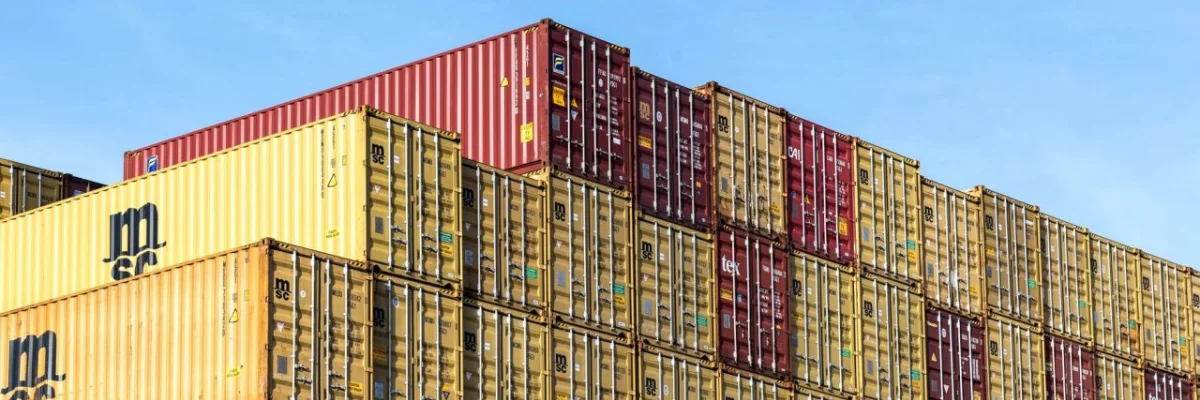
Freight forwarding is currently navigating a period of unprecedented transformation driven by rising client expectations and global market volatility. For forwarders, the ability to manage complex supply chain movements with speed and transparency has become a primary competitive advantage. As physical cargo flows are increasingly intertwined with digital data streams, operational efficiency is no longer just about moving goods from point A to point B. It requires a sophisticated approach to process automation, partner collaboration, and real-time visibility. By leveraging cloud-based platforms, logistics providers can transcend traditional bottlenecks and build a resilient framework that delivers consistent value to every shipper they serve.
Mastering Digital Workflow Automation

Digital transformation serves as the backbone of modern freight forwarding by replacing manual data entry with intelligent automated systems that prevent costly human errors while accelerating overall document processing speed for complex international trade shipments.
- Eliminate manual entry: Implementing software that automatically extracts data from bills of lading or commercial invoices reduces administrative overhead and minimizes the risk of expensive errors during shipment processing.
- Automated status updates: Configure your platform to send instant notifications to shippers whenever milestone events occur to ensure proactive communication without requiring constant manual intervention from your team members.
- Standardized data fields: Utilizing consistent digital templates across your operations ensures that all internal and external partners interpret logistics documentation uniformly to prevent confusion and delays at borders.
- Seamless system integration: Connect your forwarding software with carrier APIs and customs databases to facilitate fluid data exchange that keeps your supply chain moving without significant friction.
Adopting these automated workflows empowers your team to shift their focus from tedious repetitive tasks to high-value strategic decision making. When the software manages the heavy lifting of data organization, your staff can better dedicate their time to solving unique client challenges and negotiating better rates. This transition not only enhances your operational capacity but also boosts overall morale across your logistics organization.
Enhancing Real-Time Shipment Visibility

Visibility is the ultimate currency in modern logistics because shippers demand instant access to tracking information and container status updates to manage their own downstream inventory requirements effectively throughout the entire global trade process.
- Dynamic tracking maps: Provide your customers with interactive dashboards that display current vessel locations and estimated time of arrival metrics for better planning and inventory management execution.
- Exception management alerts: Receive proactive notifications when shipments deviate from expected routes or face delays so you can manage client expectations before a crisis occurs during transit.
- Unified platform view: Consolidate data from multiple ocean, air, and truck carriers into a single screen to offer your clients a clear view of their shipments.
- Transparent milestone tracking: Offer granular updates at every stage of the logistics journey to build trust and demonstrate your commitment to operational excellence at all times.
Providing exceptional visibility acts as a powerful marketing tool that differentiates your firm in a crowded market. When customers feel empowered by the data provided through your portal, their loyalty naturally increases. By investing in tools that bridge the information gap, you turn standard shipping updates into a premium customer experience that keeps clients coming back for your forwarding services.
Optimizing Carrier Selection Strategies

Strategic carrier selection allows forwarders to balance the competing demands of cost, speed, and reliability by identifying the optimal shipping partners for specific trade lanes and cargo requirements across various international transport networks today.
- Performance analytics dashboard: Analyze historical data to identify which carriers consistently meet their deadlines and offer the most competitive pricing for your specific high-volume trade lanes.
- Cost comparison tools: Utilize real-time rate tables within your freight software to quickly compare service options and select the most economical carrier for every unique shipment.
- Carrier relationship management: Maintain strong digital records of your negotiations and agreements to ensure that you are always leveraging the best possible terms for your clients.
- Reliability ranking systems: Score your carrier network based on past performance metrics to ensure you prioritize providers that reduce the risk of future service failures for shippers.
Making informed decisions regarding carrier partners is essential for protecting your bottom line and ensuring high quality service. By utilizing advanced software to evaluate performance trends, you move away from guesswork and toward data-driven procurement. This methodical approach ensures that your operations remain profitable while simultaneously delivering the speed and consistency that your modern freight clients demand from forwarders.
Streamlining Financial Management Cycles

Effective financial management within freight forwarding connects operational performance directly to cash flow stability by automating invoicing processes and ensuring that all charges are accurately captured and settled within agreed credit terms with agents.
- Automated billing cycles: Generate accurate freight invoices immediately upon shipment completion to ensure rapid revenue collection and maintain healthy cash flow for your growing logistics business daily.
- Currency conversion tools: Manage international payments with ease by utilizing built-in currency conversion features that handle fluctuating exchange rates and simplify multi-country financial reconciliation tasks efficiently.
- Cost accrual management: Track all vendor costs and operational expenses in real-time to avoid hidden charges and maintain healthy profit margins on every single move handled.
- Digital payment integration: Offer clients and agents convenient payment methods through your portal to expedite the closing of open accounts and reduce time spent chasing payments.
Mastering your financial operations is the key to sustaining long-term growth and stability in the fast-paced logistics industry. By automating the transition from operational data to accounting records, you eliminate the risk of lost revenue and payment delays. A streamlined financial cycle provides you with the clear data needed to make sound investments in your future logistics capabilities and service offerings.
Conclusion

Successful freight forwarding operations rely on a blend of advanced technology and refined strategy. By focusing on workflow automation, visibility, carrier selection, and financial precision, your business can overcome common industry obstacles. Embrace these digital tools today to scale your operations, satisfy your clients, and secure a stronger position in the competitive logistics market. Reach out to MakeCargo to optimize your operations now.