Optimizing Freight Operations for Modern Logistics Success
Wednesday, July 22 2026
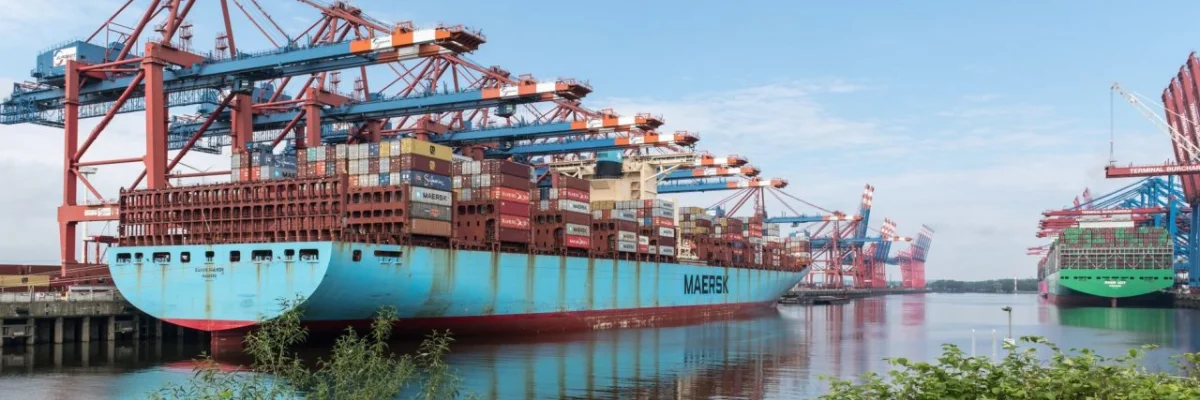
Freight forwarding is currently navigating a period of unprecedented transformation, driven by global connectivity and the need for rapid digital adaptation. As logistics providers face increasing pressure to maintain speed while reducing operational costs, the necessity for a robust technological backbone becomes critical. Modern freight forwarders must transition from legacy manual processes toward integrated digital workflows to remain competitive in a saturated marketplace. By prioritizing automation, visibility, and data accuracy, companies can overcome traditional hurdles such as documentation errors and communication delays, ultimately securing a scalable future in an industry that never stops evolving for its global customers.
Leveraging Digital Automation Tools

Automated software solutions drastically reduce the hours spent on repetitive data entry tasks while minimizing the human errors that often plague logistics workflows. These platforms create a seamless link between disparate operational stages from booking to final delivery.
- Reduced manual labor: Automation allows your team to focus on high value tasks like relationship building rather than spending hours typing out shipment details into complex spreadsheet systems.
- Improved data accuracy: Digital capture methods eliminate typos and inconsistencies that frequently lead to costly fines or major shipment delays during the complex international customs clearance process.
- Faster booking cycles: Automated platforms provide instant quote generation and booking capabilities that satisfy demanding customers who expect immediate responses in our fast paced global economy.
- Scalable operational capacity: Technology allows you to manage double the volume of shipments without needing to increase your staff size significantly as your company continues growing.
Adopting digital tools transforms the backbone of your business by shifting resources toward strategic growth rather than administrative maintenance. Forwarders who embrace automation gain a distinct edge in operational efficiency that manual competitors cannot match. By centralizing your data into one cloud platform, you ensure that every team member has the exact information needed to resolve client queries quickly and effectively.
Enhancing Real Time Visibility
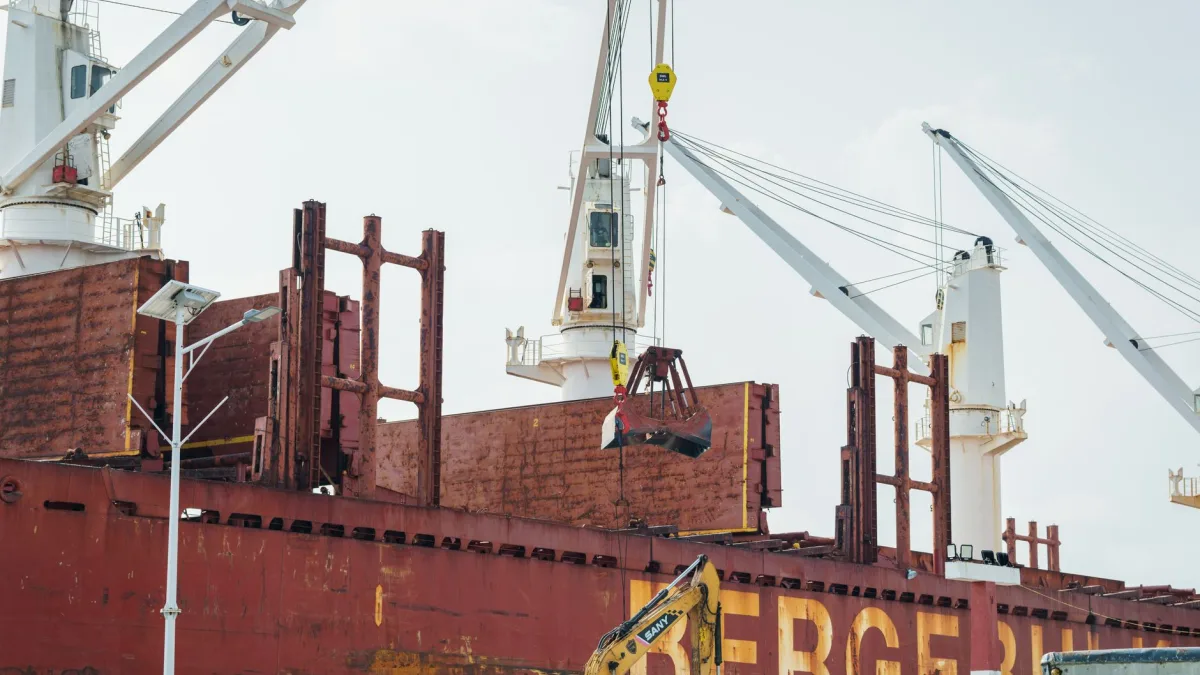
Visibility acts as the lifeline for logistics professionals who must keep track of cargo movement across diverse international borders. Providing clients with live tracking capabilities builds trust and long term loyalty in a highly volatile freight forwarding market.
- Proactive shipment updates: Real time alerts allow your team to notify customers about delays before they become major issues that disrupt their critical supply chain operations.
- Improved vendor collaboration: Shared visibility dashboards enable carriers and agents to input status updates directly, which keeps all stakeholders informed throughout the entire transit process.
- Increased transparency levels: Clients feel more secure when they can view the current status of their cargo via a web portal instead of sending multiple emails.
- Risk management capabilities: Immediate access to shipment locations helps you identify bottlenecks or potential risks earlier, allowing for faster problem solving and better route planning.
Transparency is no longer an optional luxury but a core expectation from modern shippers who require precision. By investing in tracking systems that provide deep insights into shipment status, you effectively reduce the volume of status inquiry emails hitting your inbox. This operational shift empowers your staff to resolve issues proactively, turning every logistical challenge into an opportunity to demonstrate reliability and expertise.
Streamlining Documentation Workflows

Processing paperwork remains one of the most time consuming aspects of freight forwarding, often creating bottlenecks that slow down the entire shipping operation. Digitizing these documents ensures that compliance and accuracy are maintained across all global regulatory requirements.
- Centralized document storage: Keeping all invoices and packing lists in a secure cloud repository makes it incredibly easy to retrieve vital information during sudden customs audits.
- Standardized digital forms: Using pre built templates for common shipping documents ensures that you never miss a mandatory field required by international port authorities again.
- Instant document sharing: Securely send digital copies of bills of lading and certificates to partners globally without relying on slow traditional mail or physical couriers.
- Enhanced regulatory compliance: Automated systems track changes in international laws, ensuring your documentation remains current and avoids potential legal complications during the clearance process phase.
Digitizing your documentation workflow is essential for achieving operational excellence in an increasingly regulated trade environment. When paperwork moves through a structured digital pipeline, you eliminate the risks associated with lost files or incorrect information. This transition not only speeds up the release of goods but also provides your team with the peace of mind that every filing is accurate.
Empowering Your Logistics Team

The success of any freight operation depends on the quality and knowledge of the people running the platform every day. Equipping your staff with the right training and software allows them to perform at their absolute highest level.
- Unified team communication: Internal messaging features within your logistics platform ensure that all project members stay aligned on specific shipment goals and unique client requirements.
- Better resource allocation: Software analytics highlight which team members are managing the highest volume, allowing you to balance workloads and prevent employee burnout across departments.
- Continuous staff training: Regular professional development sessions centered on your new software tools ensure that your employees remain proficient in all modern industry best practices.
- Data driven decision making: Providing your team with clear performance metrics helps them understand exactly where they can improve efficiency to meet company wide productivity goals.
Your employees are the primary drivers of your business performance, so providing them with effective tools is a strategic necessity. When staff members have a clear overview of their tasks and the status of every shipment, they feel more confident in their daily duties. This improved morale leads to higher retention rates and better service quality for every client you serve.
Conclusion

Optimizing freight operations requires a balance between advanced software implementation and human expertise. By focusing on automation, visibility, documentation, and team empowerment, you create a resilient foundation for your freight forwarding business. Start your transition to cloud based logistics today to see immediate improvements in your operational speed and client satisfaction. Success in this industry belongs to those who adapt and grow.