Optimizing Freight Operations for Modern Logistics Success
Thursday, July 23 2026

Modern freight forwarding requires a delicate balance of speed, accuracy, and regulatory compliance in an increasingly complex global marketplace. As supply chain volatility becomes the new normal, forwarders must move beyond manual spreadsheets to embrace digital transformation. By integrating cloud-based platforms like MakeCargo, logistics professionals can centralize communication, automate repetitive documentation tasks, and gain real-time visibility into every shipment. This shift not only reduces operational costs but also empowers teams to focus on high-value client relationships. Embracing these advanced operational strategies is essential for any forwarder aiming to remain competitive and deliver exceptional service quality in today's fast-paced international logistics landscape.
Streamlining Documentation Workflows

Managing mountains of paperwork is often the greatest drain on productivity for busy forwarders. Automated digital documentation systems allow teams to process bills of lading, commercial invoices, and packing lists with precision while minimizing the risk of costly human errors during data entry.
- Automated Data Extraction: Advanced software tools can pull critical information directly from supplier emails or PDF files to populate core logistics systems without any manual typing by employees.
- Standardized Document Templates: Creating uniform digital templates ensures that all outbound paperwork adheres to international shipping regulations while maintaining a professional and consistent brand identity for your company.
- Centralized Digital Storage: Moving all files to a secure cloud server guarantees that every team member can access the latest versions of documents from any location worldwide.
- Instant Compliance Checks: Automated validation rules automatically flag missing fields or invalid regulatory codes before documents are submitted to customs authorities to prevent avoidable delays at border points.
By implementing these robust digital workflows, your operations team can significantly reduce the time spent on administrative tasks. This transition to paperless processes enhances overall data integrity and allows for faster shipment cycles. When your staff is no longer buried in manual paperwork, they gain the bandwidth required to solve complex logistics problems, ultimately driving higher customer satisfaction and better business margins.
Enhancing Real Time Visibility
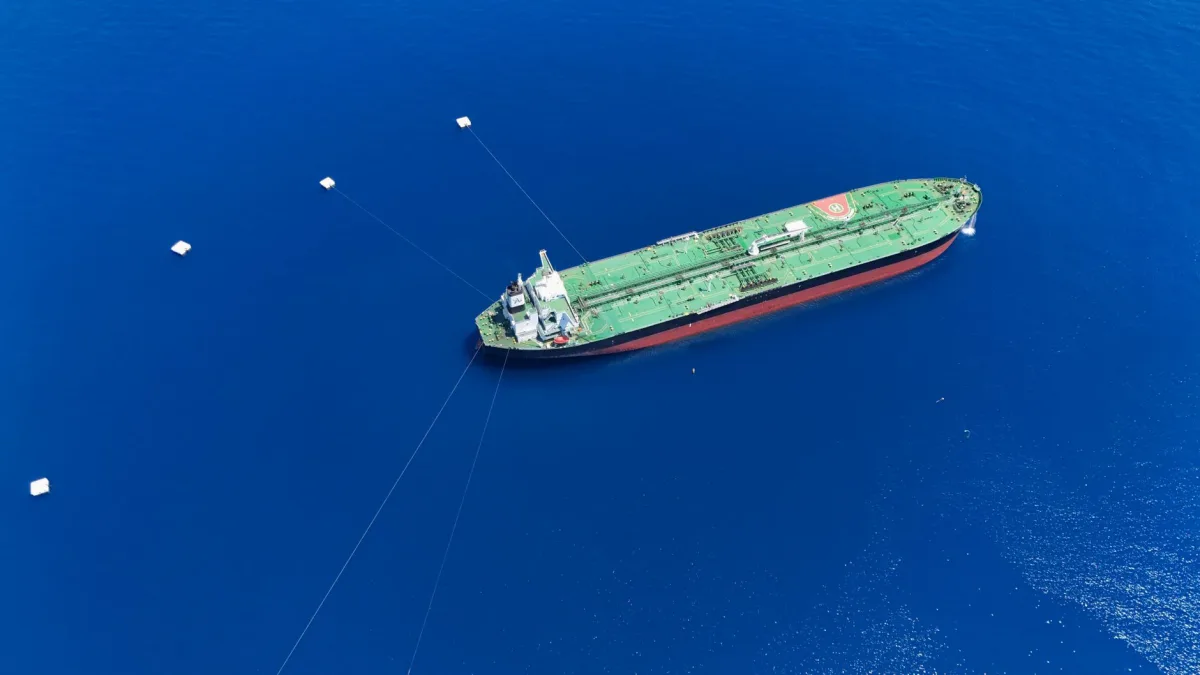
Knowing the exact location of goods throughout the transit process is no longer a luxury but a fundamental requirement for clients. Modern tracking technology provides granular visibility that transforms the customer experience and helps build long-term trust with shippers.
- Live Status Updates: Integration with ocean and air carrier APIs ensures that clients receive accurate status notifications throughout the entire journey from origin to final destination warehouse.
- Exception Management Alerts: Proactive monitoring systems notify your team the moment a shipment deviates from its planned schedule, allowing for rapid intervention before major delays occur.
- Client Portal Access: Providing a secure web portal lets your shippers view their own cargo status 24/7, which drastically reduces the volume of inbound status inquiry calls.
- Predictive Analytics Tools: Utilizing historical shipment data allows you to forecast potential bottlenecks and suggest alternate routes to customers long before a crisis hits the network.
Superior visibility is the key differentiator for freight forwarders who want to stand out in a crowded market. By giving clients a clear view into their supply chain, you demonstrate professional reliability and technical competence. This transparent approach fosters stronger long-term partnerships, effectively turning your operational excellence into a powerful tool for customer retention and consistent business revenue growth.
Optimizing Carrier Selection Strategies

Selecting the right carrier involves more than just finding the lowest price available for a specific lane. Logistics teams must weigh factors like carrier reliability, equipment availability, and transit speed to deliver the best value for their clients every time.
- Carrier Performance Scoring: Tracking historical data on carrier timeliness and damage rates allows you to make informed decisions when selecting partners for your client shipment needs.
- Rate Comparison Dashboards: A unified dashboard lets you compare spot rates and contract pricing across multiple carriers instantly so you always choose the most cost-effective option.
- Dynamic Route Planning: Sophisticated logistics software helps evaluate various routing options based on current traffic conditions and port congestion levels to ensure the most efficient delivery.
- Strategic Partner Management: Maintaining active relationships with preferred carriers ensures you receive priority space allocation during peak shipping seasons when capacity becomes tight and quite expensive.
Optimizing how you select and manage carriers leads directly to better shipment margins and improved service reliability. When your operations strategy centers on data-driven decision making, you can confidently promise tighter delivery windows to your customers. This level of precision is what separates high-performing freight forwarders from the competition, ensuring that you consistently provide value even when market conditions become challenging.
Automating Financial Settlement Processes

Financial reconciliation between freight forwarders, carriers, and clients is notoriously prone to discrepancies. Automating the billing process reduces the gap between service delivery and cash collection, keeping your financial health stable and your operational cash flow running quite smoothly.
- Integrated Billing Modules: Systems that connect shipping activity directly to your accounting platform ensure that all invoices are generated automatically upon proof of final delivery completion.
- Automated Currency Conversion: Handling international shipments requires precise handling of multiple currencies, and built-in conversion tools prevent loss during the invoicing process for global freight trades.
- Dispute Resolution Tools: Providing an easy way for clients to review and query charges directly through the platform helps resolve minor financial disagreements much faster than email.
- Cash Flow Insights: Real-time reporting on accounts receivable gives management a clear picture of outstanding payments so they can prioritize collections with the most significant impact.
Streamlined financial operations are essential for maintaining a healthy business that can weather market fluctuations. By removing the manual burden from your accounting staff, you eliminate billing errors and significantly speed up the payment cycle. This focus on financial efficiency allows your company to reinvest capital into further technological upgrades, setting a strong foundation for sustainable growth and continued operational success.
Conclusion

Effective freight operations rely on the intelligent integration of technology, data, and human expertise to navigate the global supply chain. By prioritizing digital automation and real-time visibility, forwarders can optimize their workflows to deliver superior results for their clients. Adapting to these modern standards is essential for long-term scalability. Choose to refine your operations today to secure a competitive advantage in global logistics.