Optimizing Freight Operations for Modern Logistics Success
Thursday, July 23 2026

The global freight forwarding landscape is shifting rapidly as digital transformation becomes the standard for efficient supply chain management. Professionals now face the dual challenge of managing complex international regulations while meeting client expectations for real-time visibility and speed. To remain competitive, freight forwarders must transition away from manual processes toward integrated digital ecosystems that centralize data, automate routine tasks, and improve overall operational agility. By focusing on modern strategies, you can transform your logistics workflow into a seamless engine that drives consistent growth, enhances client trust, and secures your company's future in an increasingly crowded and technology-driven global marketplace.
Embrace Cloud-Based Automation

Utilizing cloud platforms allows your team to access critical shipment data from any location while eliminating the need for fragmented spreadsheets. Centralization ensures that every stakeholder views a single source of truth, which significantly reduces the likelihood of costly communication errors.
- Centralized Data Management: Storing all documentation and shipment status updates within a single cloud platform ensures your team members always have access to the most accurate, real-time logistics information.
- Automated Workflow Triggers: Configuring automated notifications and task assignments helps your staff stay on top of critical deadlines without manual intervention or the risk of missing important cargo milestones.
- Improved Scalability Options: Cloud infrastructure allows your business to scale operations quickly, enabling you to handle increased shipment volumes without a corresponding increase in complex server maintenance overheads.
- Enhanced Data Security: Modern software providers implement advanced encryption and automated backups, protecting your sensitive client data against cyber threats far more effectively than traditional local file storage.
Adopting these cloud tools empowers your team to shift focus from manual data entry toward strategic client relationship building. As you automate the repetitive administrative side of the business, your staff gains the capacity to solve complex logistical challenges for your customers. This transition is essential for building a robust, high-performance company that can handle the pressures of modern, fast-paced international freight forwarding today.
Prioritize Real-Time Shipment Visibility
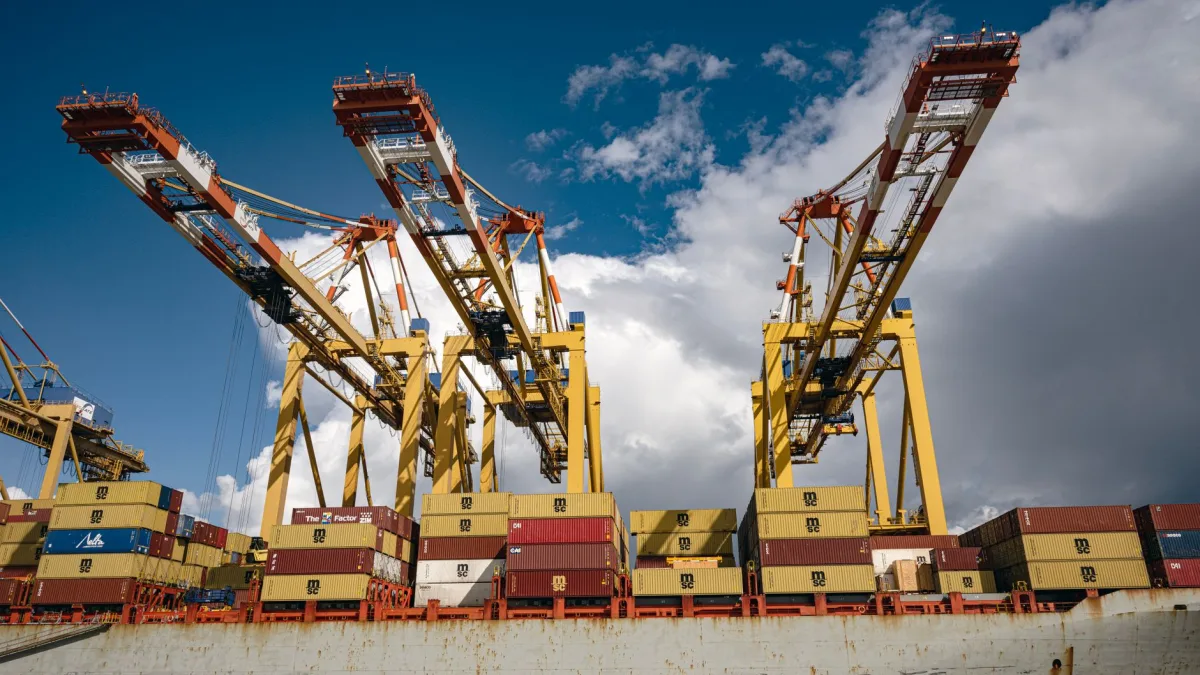
Providing clients with live tracking capabilities builds lasting trust and transparency within your professional partnerships. Moving beyond manual status updates demonstrates that you are a forward-thinking provider who values client time, information accessibility, and consistent, proactive service delivery standards.
- Customer Portal Access: Offering a secure online portal allows your clients to check shipment statuses at their own convenience, reducing the volume of inbound status request emails daily.
- Live Milestone Tracking: Integrating GPS and carrier APIs ensures that your tracking information remains accurate, preventing uncertainty during critical phases of the international transit process for goods.
- Proactive Issue Alerts: Automated systems notify you of potential delays before they impact the client, allowing you to manage expectations and provide solutions before problems escalate further.
- Integrated Carrier Data: Connecting directly with carrier systems pulls tracking data into your dashboard, eliminating the need to visit multiple shipping line websites for information retrieval.
Effective communication acts as the backbone of every successful freight forwarding operation in the modern era. When you provide immediate, accurate visibility, you remove the guesswork for your clients and enhance their overall satisfaction levels. Investing in these digital tracking tools ensures that your brand remains synonymous with reliability and professional excellence throughout the entire shipping lifecycle for every single shipment.
Streamline Your Documentation Flow
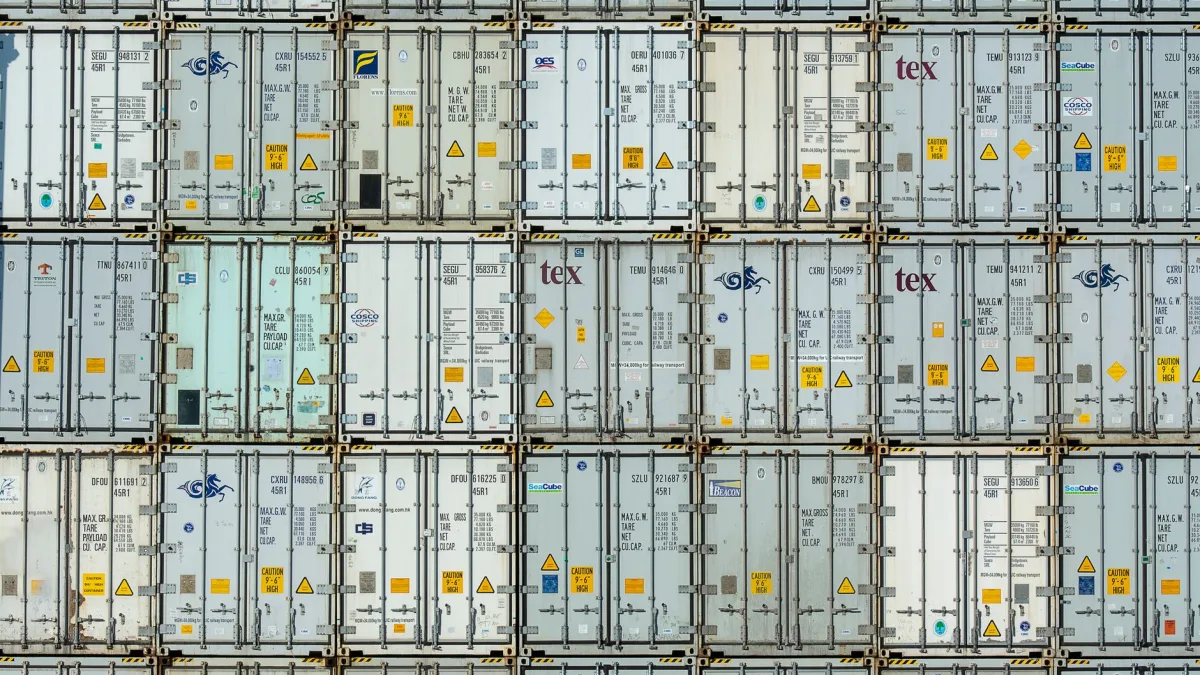
Managing customs paperwork and shipping manifests manually often leads to bottlenecks that delay cargo and increase operational costs. Implementing a digital document management system allows you to standardize filing processes, reduce human errors, and ensure compliance with international trade regulations across every shipment.
- Standardized Filing Systems: Creating consistent folder structures for every shipment prevents document loss, ensuring that your team finds necessary paperwork in seconds rather than searching through folders.
- Integrated Digital Signatures: Enabling electronic signatures speeds up the approval process for international bills of lading and customs declarations, reducing wait times significantly for your operational team.
- Automated Compliance Checks: Software tools can scan your documents for common errors or missing fields, ensuring that your paperwork adheres to strict regulatory standards before submission.
- Efficient Document Archiving: Cloud storage allows you to archive completed shipments securely for years, facilitating quick retrieval during audits or if a client requests historical data records.
By streamlining your documentation process, you remove the common friction points that slow down your entire supply chain. Faster processing times lead to quicker customs clearances and happier customers who value your efficiency. As regulatory demands continue to evolve, having a digital foundation for document handling ensures that your team stays compliant while remaining focused on the core logistics business tasks.
Cultivate Strategic Carrier Partnerships
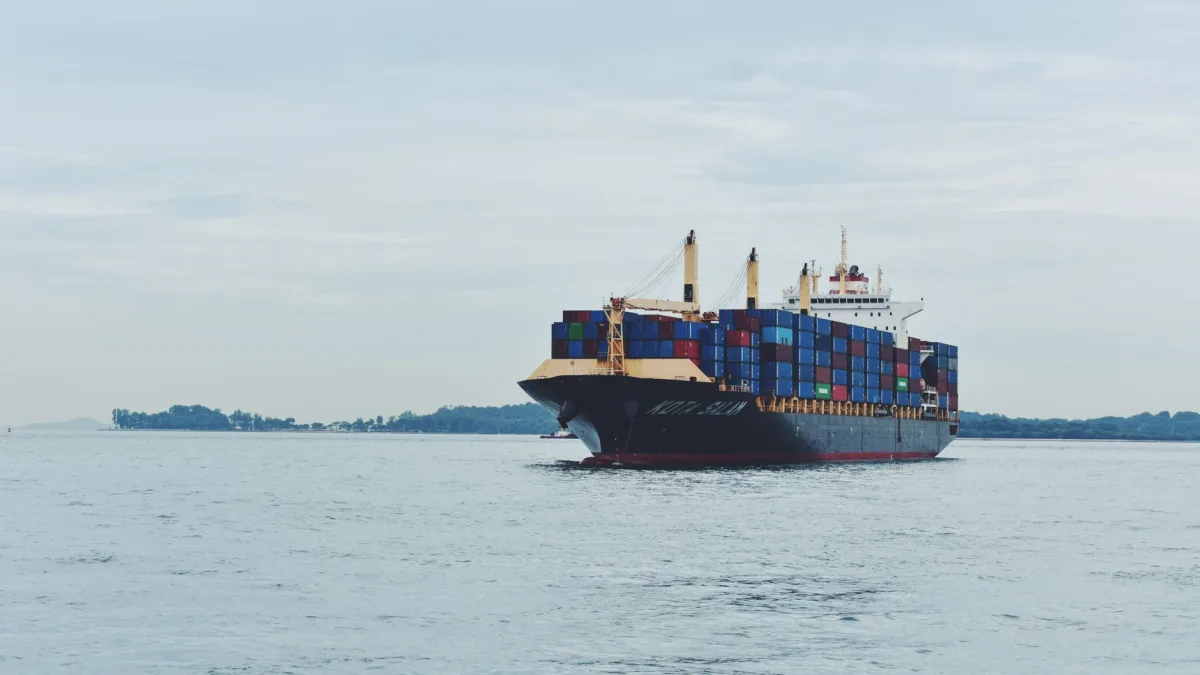
While software manages the data, carrier relationships drive the physical movement of freight across the globe. Maintaining strong communication with your network of partners ensures that you secure better rates and preferential space allocations even during peak shipping seasons or global supply shortages.
- Regular Performance Reviews: Meeting with carrier representatives to discuss service quality and operational challenges helps build mutual understanding and improves overall reliability for your own shipping clients.
- Unified Communication Channels: Using a dedicated platform for partner communication keeps discussions organized and accessible, preventing important negotiation details or service updates from being buried in inboxes.
- Collaborative Problem Solving: When delays occur, having a strong relationship enables faster resolution times through direct communication with key carrier contacts rather than relying on automated service queues.
- Volume Data Transparency: Sharing accurate volume projections with your preferred carriers helps them plan better, which often results in improved service levels and more competitive pricing structures.
Strong relationships serve as a vital safety net when unexpected market disruptions threaten your logistics operations. By combining your software capabilities with healthy partner communication, you create a balanced approach to freight forwarding. This dual strategy keeps your operations resilient, cost-effective, and highly responsive to the needs of your global shipping clients who rely on your expertise to move their goods.
Conclusion

Success in the modern freight industry relies on balancing sophisticated technology with human connection. By leveraging cloud automation, real-time visibility tools, and streamlined document management, you position your firm for sustainable growth. Start upgrading your internal workflows today to ensure your team remains agile and your clients receive the world-class service they expect. Consistency and digital adaptation are the keys to long-term success.