Optimizing Freight Operations for Modern Logistics Success
Saturday, July 25 2026

Freight forwarding is currently navigating a period of unprecedented transformation as global supply chains demand higher levels of transparency and speed. For modern forwarders, the reliance on manual spreadsheets and disconnected communication channels creates significant operational drag that impacts profitability. By embracing cloud-based technologies and centralized data management, logistics businesses can unlock newfound efficiency across their entire network. This approach allows teams to focus on complex decision making rather than repetitive administrative tasks. As industry expectations shift toward real-time visibility, forwarders must adapt their operational strategies to maintain a competitive advantage while delivering reliable value to their global customers.
Streamlining Documentation Workflow

Digital transformation begins by replacing physical documents with automated systems that capture data instantly. When documentation processes are unified within a central platform, teams reduce error rates and significantly shorten the turnaround times required for clearance and final delivery milestones.
- Centralized Data Repository: Storing all shipping documents in one cloud location ensures that your global team members access the most current versions without searching through endless email chains.
- Automated Data Entry: Intelligent software solutions extract key information from bills of lading or invoices, eliminating manual typing errors and freeing staff for high-value client communication tasks.
- Standardized Document Templates: Using predefined templates ensures that every shipment file follows the exact same structure, which improves operational consistency and makes auditing a much simpler process.
- Instant Retrieval Capabilities: Modern cloud platforms allow users to locate specific files using advanced search filters, significantly reducing the time wasted on administrative document discovery tasks daily.
Transitioning to a digital document workflow acts as the foundation for broader operational scalability. By reducing the reliance on paper, your team minimizes the risk of lost files or data silos. This shift allows for faster internal approvals and ensures that your documentation remains audit-ready at all times. Ultimately, a streamlined approach creates a more professional experience that your clients will notice immediately.
Enhancing Real Time Visibility
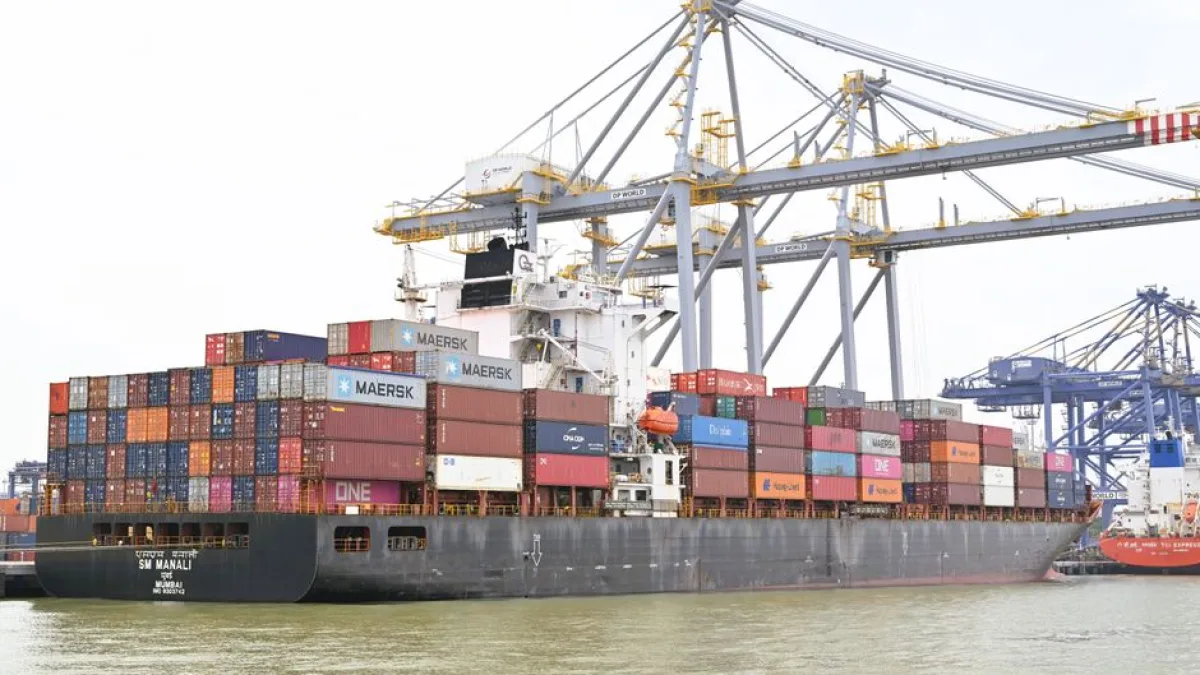
Providing clients with accurate shipment status updates is no longer optional for successful freight forwarders. Modern tracking tools integrate live data from carriers to give all stakeholders a clear view of where inventory resides throughout the complex shipping cycle.
- Live Tracking Integration: Connecting your management software directly with carrier APIs provides automatic status updates, allowing your team to monitor shipments without constant manual check-ins with partners.
- Automated Client Notifications: Proactive alert systems send status updates directly to customers when specific milestones are reached, reducing the volume of incoming status inquiry emails for staff.
- Visual Shipment Dashboards: Interactive maps and dashboard views offer a comprehensive overview of global cargo movement, helping logistics managers identify potential bottlenecks before they cause delays.
- Exception Management Alerts: Intelligent systems detect delays or irregularities in shipment schedules, triggering automatic notifications so that your team can take corrective action before a problem escalates.
Visibility serves as the backbone of high-quality customer service in today's demanding market. When forwarders provide transparent updates, they foster trust and long-term loyalty with their shippers. Furthermore, this internal transparency allows your operations team to manage by exception rather than chasing information. By leveraging these tools, you transform your service offering from simple transport into a value-added strategic partnership.
Automating Financial Reconciliation Processes

Financial health depends on the speed and accuracy of billing cycles and vendor payments. Automating the invoicing process ensures that revenue is recognized faster while vendor payments remain compliant with agreed terms to avoid service disruptions or penalties.
- Seamless Invoice Generation: Automatically generating invoices based on completed shipment data ensures that billing happens the moment a service is provided, which improves overall company cash flow.
- Integrated Currency Conversion: Handling multiple currencies within your platform prevents errors associated with manual exchange rate calculations and maintains accuracy across all international billing transactions every time.
- Automated Vendor Payments: Scheduling payments to carriers and partners ensures that you maintain strong relationships, preventing delays in service due to disputes over unpaid carrier invoices.
- Direct Accounting Synchronization: Exporting financial data directly into accounting software removes the need for dual entry, saving countless hours and ensuring your general ledger stays balanced.
Optimizing the financial loop transforms your accounting team from data entry clerks into strategic financial analysts. By removing manual reconciliations, you reduce the time between service delivery and final payment. This operational efficiency is essential for scaling a business, as it allows your leadership to have a clear, accurate understanding of cash flow and profit margins at any moment.
Building Collaborative Logistics Networks

The success of any freight forwarder relies on the strength of their partner network. Utilizing cloud platforms to communicate with carriers and agents creates a collaborative environment where information is shared instantly and disputes are resolved through clear data.
- Secure Partner Portals: Giving overseas agents access to specific shipment tasks ensures that information flows directly into your system, reducing delays caused by time zone differences.
- Task Assignment Management: Assigning specific duties to partners within the software creates clear accountability, making sure that every member of the supply chain understands their individual requirements.
- Unified Communication Threads: Linking messages directly to specific shipment files keeps all internal and external discussions organized, providing a clear history of how decisions were made during transit.
- Vendor Performance Metrics: Collecting data on partner performance allows you to make informed decisions about which carriers to use, helping you maintain high service quality standards.
Effective collaboration is the final piece of the operational puzzle for growing logistics firms. By moving partner interactions into a shared digital space, you break down the silos that typically cause miscommunication and errors. This collaborative structure creates a more resilient supply chain, allowing your business to handle complex logistics challenges with confidence while maintaining strong relationships with your global service partners.
Conclusion
Modernizing freight operations through cloud-based software is the most effective way to gain efficiency and satisfy today's clients. By digitizing documents, improving shipment visibility, automating financial workflows, and fostering collaboration, forwarders position themselves for long-term growth. Embracing these technological shifts ensures that your business remains agile in a fast-paced market. Start optimizing your operations today to unlock your firm full potential.