Optimizing Freight Operations for Modern Logistics Success
Monday, July 27 2026
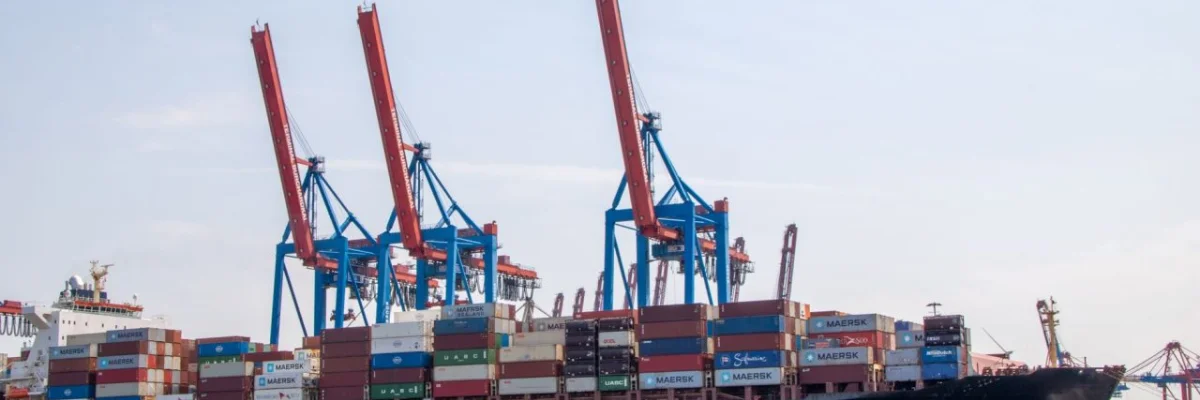
Freight forwarding is currently navigating a period of unprecedented transformation, requiring businesses to adapt quickly to evolving supply chain demands. As global trade complexities increase, freight professionals must leverage digital tools to maintain efficiency and transparency. Traditional manual processes are increasingly becoming a liability, slowing down shipments and introducing avoidable human errors. By embracing cloud-based automation, forwarders can gain a competitive edge, ensuring that every shipment is tracked, optimized, and managed with precision. This shift is not just about keeping pace with the industry but about defining a new standard for reliability, speed, and overall operational excellence in today's global shipping environment.
Streamlining Documentation Workflows

Manual document handling remains a primary bottleneck for logistics teams, consuming countless hours that could be better spent on strategic decision making. Automating these workflows significantly reduces the risk of clerical errors while accelerating the speed of custom clearances and bill processing.
- Automated Data Entry: Implement smart systems that extract information directly from invoices and manifests to eliminate manual typing and ensure that your shipment data remains consistently accurate and accessible.
- Digital Document Storage: Securely archive all your shipping documents in a centralized cloud platform to provide instant access for your team members located across different global time zones.
- Electronic Signature Integration: Utilize digital verification tools to bypass traditional paper signing cycles, allowing partners to approve critical documents in real time from any mobile or desktop device.
- Real-time Validation Checks: Enable software rules that automatically flag missing or incorrect details in shipping forms before they are submitted to customs authorities to prevent costly border delays.
Optimizing how documents flow through your company transforms the entire customer experience. When paperwork is processed without friction, your team can focus on managing exceptions and building stronger client relationships. By removing the burden of repetitive administrative tasks, you empower your staff to handle more volume with less stress, ultimately leading to higher profit margins and a significantly more scalable business model for your future growth.
Real-time Shipment Visibility
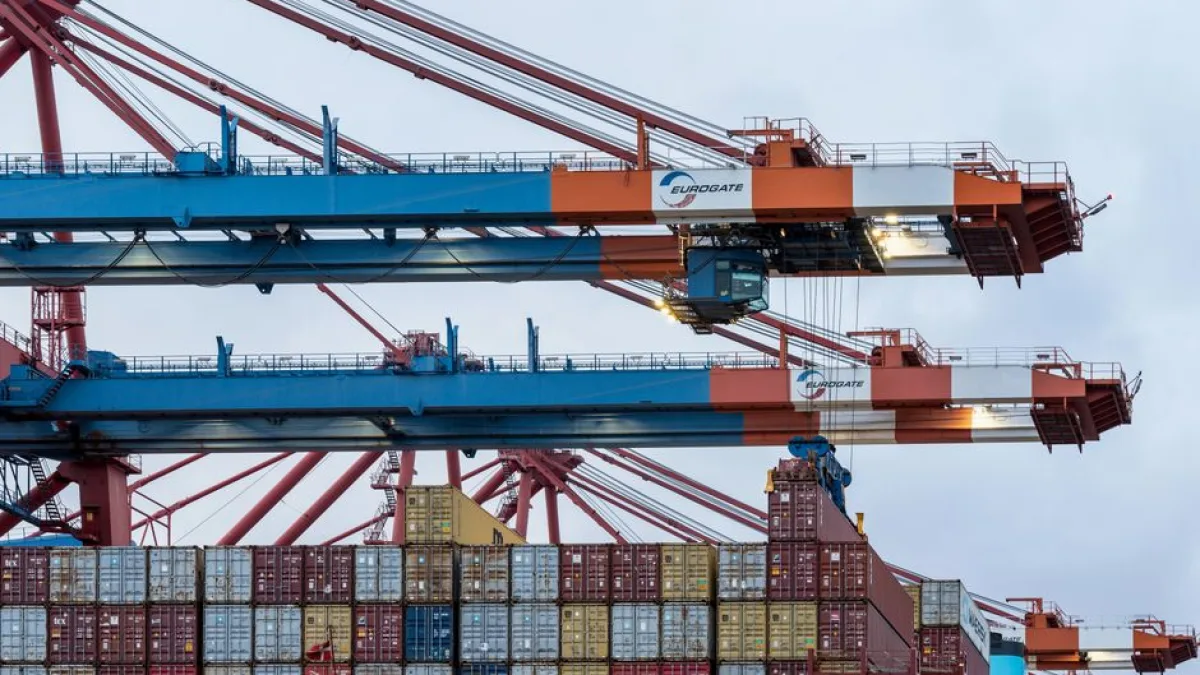
Providing customers with live updates is no longer optional in the current market. Modern clients expect full transparency from origin to destination, making real-time tracking an essential component of professional freight forwarding operations that want to retain their key business accounts.
- Live Tracking Dashboards: Provide your clients with a visual interface that shows the exact location of their cargo at every point during its journey across the globe.
- Proactive Milestone Alerts: Configure automatic notifications that trigger whenever a shipment reaches a specific gate or port to keep all stakeholders informed without constant manual email updates.
- Exception Management Alerts: Receive instant notifications when a shipment faces a delay or rerouting issue so that your team can intervene immediately to resolve the specific problem.
- Transparency Portals: Create branded online access points where shippers can log in to view their specific shipment status, carrier details, and historical data reports on demand.
Visibility serves as the backbone of trust between the forwarder and the shipper. When you provide clear, actionable information, you reduce the volume of incoming status inquiries, freeing your staff for other vital duties. By investing in modern visibility tools, you effectively prove your value as a reliable logistics partner, making your services indispensable to clients who demand clarity and predictability.
Enhancing Carrier Communication

Effective collaboration with carriers is essential for seamless logistics performance. Maintaining strong lines of communication prevents misunderstandings and ensures that booking capacity, vessel scheduling, and freight rates are managed effectively without falling victim to disjointed communication channels or outdated data systems.
- Integrated Booking Systems: Connect your software directly with carrier portals to book space and confirm schedules instantly, which eliminates the need for endless back and forth email threads.
- Centralized Messaging Hubs: Keep all correspondence regarding specific shipments inside a single platform so that every team member can access history when a dispute or update occurs.
- Automated Rate Updates: Sync your software with current carrier pricing feeds to ensure that all internal quotes reflect the most recent market rates and vessel availability.
- Performance Monitoring Tools: Track carrier reliability metrics such as transit times and cancellation frequencies to make data driven decisions when selecting partners for your high value shipments.
Refining the way you interact with carriers can lead to significant cost savings and better service reliability. When communication is centralized, your operations team can respond much faster to market fluctuations or unexpected carrier changes. This level of synchronization builds better professional partnerships, leading to more favorable terms and improved priority during peak shipping seasons, which strengthens your total market positioning.
Leveraging Advanced Data Analytics

Data is the most valuable asset in the modern freight industry. By analyzing historical performance and current trends, logistics companies can identify hidden patterns that lead to cost savings, better route optimization, and improved overall operational strategies for the long term success.
- Historical Performance Reviews: Examine past shipment data to identify which routes or carriers consistently perform best, allowing you to optimize your future network strategy accordingly every year.
- Predictive Cost Modeling: Utilize advanced software algorithms to forecast future price trends, helping your company to secure better rates during volatile market cycles and unpredictable economic seasons.
- Operational Efficiency Metrics: Measure the time taken to complete various tasks such as quotes or billing to identify bottlenecks that require immediate improvements or process adjustments.
- Client Profitability Analysis: Analyze which accounts contribute the most to your revenue and service demands to focus your sales efforts on the most profitable areas of business.
Data analytics turns raw information into a powerful engine for strategic growth. When you base your decisions on cold hard facts rather than guesswork, you eliminate waste and enhance your ability to deliver high quality services. Developing a data centric culture within your organization will ensure that you remain agile, innovative, and ready to tackle any future logistical challenges that arise.
Conclusion

Modernizing your freight operations is a mandatory step toward achieving long term stability and scalability. By integrating automated documentation, real-time visibility, strong carrier connections, and data analytics, you create a foundation that supports continuous improvement. Embrace these technologies today to lower your overhead, delight your customers, and secure a prominent position in the competitive world of international freight forwarding and logistics.