Optimizing Freight Operations for Modern Logistics Success
Monday, July 27 2026
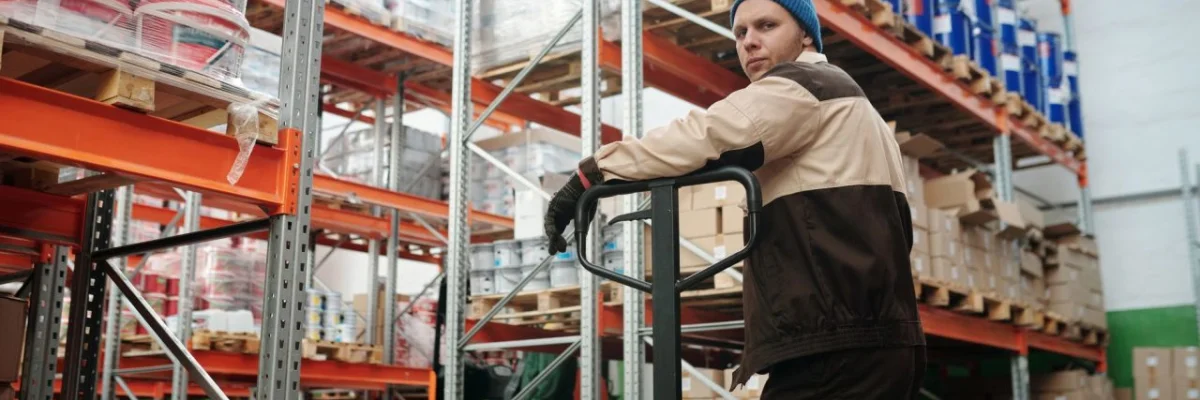
Modern freight forwarding requires a delicate balance between complex logistical coordination and the rapid pace of international trade. As global supply chains grow increasingly volatile, professionals must pivot away from manual processes toward integrated digital solutions. Efficiency is no longer just a competitive advantage but a fundamental requirement for survival in a crowded market. By centralizing operations and embracing automation, forwarders can minimize human error, reduce overhead costs, and provide superior transparency to their clients. This evolution in operational strategy allows teams to focus on high-value tasks while software handles the repetitive burdens of documentation, compliance, and real-time tracking.
Digital Workflow Transformation

Transitioning from traditional spreadsheets to a unified digital platform revolutionizes how your team handles cargo movement. By digitizing workflows, freight forwarders gain immediate access to vital shipment data, reducing the time wasted on searching for disparate files across multiple systems.
- Centralized Data Management: Consolidating all shipment information into a single cloud-based dashboard eliminates information silos, allowing your entire team to view live updates and collaborate on critical documentation tasks simultaneously.
- Automated Task Scheduling: Intelligent software triggers automatic reminders for pending milestones, ensuring that your operations team never misses a compliance deadline or client update during the complex shipment lifecycle.
- Standardized Document Handling: Using digital templates for bills of lading and commercial invoices minimizes clerical errors, speeds up the customs clearance process, and maintains consistent data quality throughout the organization.
- Enhanced Internal Communication: Real-time messaging features integrated into your platform ensure that every stakeholder stays informed, reducing reliance on fragmented email threads that often hide important logistical updates.
Adopting a centralized digital workflow acts as the backbone of a high-performing logistics firm. When data lives in one place, teams can react faster to disruptions and coordinate more effectively with carriers. This move reduces administrative friction and empowers staff to manage higher volumes of cargo without sacrificing the quality of service that keeps clients returning for long-term shipping partnerships.
Real-Time Cargo Visibility
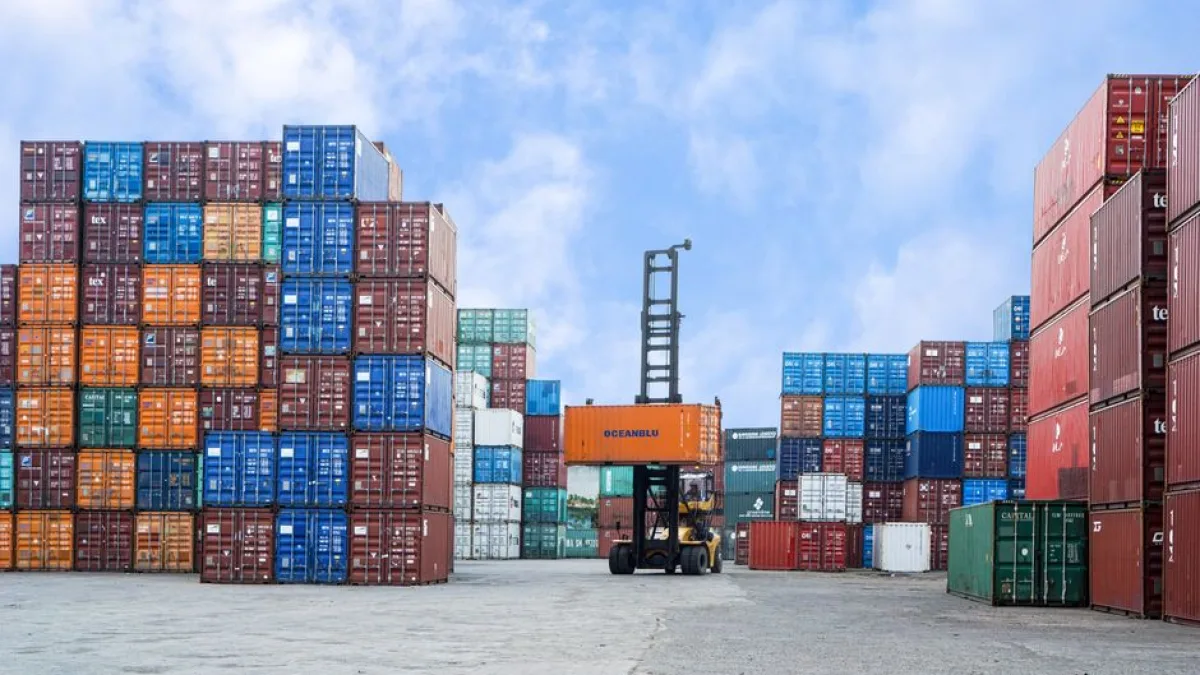
Providing customers with live updates regarding their shipments is essential for building long-term trust. Modern tracking tools allow forwarders to monitor cargo progress across multiple transit points, turning reactive crisis management into a proactive strategy that keeps clients feeling satisfied and informed.
- Integrated Tracking APIs: Connecting your platform directly to carrier systems allows you to pull real-time GPS data and status updates automatically, providing clients with precise location information for their goods.
- Proactive Exception Alerts: Advanced monitoring tools detect potential delays at ports or transit hubs, notifying your operations team before a small hiccup evolves into a major service failure.
- Automated Status Notifications: Configure custom alert triggers to send branded emails to your customers, keeping them updated on every milestone without requiring manual intervention from your customer service department.
- Transparent Supply Chains: Delivering a clear, visual overview of the entire journey gives your clients the confidence that their cargo is handled with precision and consistent oversight throughout transit.
Proactive visibility serves as the ultimate differentiator in a crowded freight market. When you offer clients instant access to their shipment status, you eliminate the need for them to send status inquiries. This creates a superior experience that lowers your support workload while boosting client loyalty. Being the partner who provides answers before they are asked is a powerful way to secure business.
Customs Compliance Efficiency

Navigating the complex maze of international trade regulations requires extreme precision. Freight forwarders who automate their compliance checks ensure that every declaration is accurate, preventing costly fines and preventing shipments from getting stuck in customs holds during critical peak shipping windows.
- Automated Rule Validation: Smart software systems perform instant checks against regional trade regulations, identifying potential compliance gaps before you submit documentation to customs authorities for final approval of goods.
- Digital Document Storage: Keeping all import and export records in an indexed, secure cloud database ensures that you are always ready for audits and internal reviews of operations.
- HS Code Accuracy: Utilizing built-in classification tools helps your staff select the correct commodity codes, ensuring that duty payments are calculated properly and reducing the risk of penalties.
- Streamlined Approval Workflows: Digital sign-off procedures allow managers to review and verify compliance documents quickly, moving freight through the clearance stage without unnecessary delays or physical paperwork handling.
Compliance is a non-negotiable aspect of logistics, yet it remains one of the most time-consuming tasks for staff. By embedding compliance logic into your operational software, you effectively turn a risk-prone task into a reliable routine. This allows your team to focus on complex clearance issues, confident that the standard regulatory requirements are being managed accurately and consistently by the platform.
Scaling Through Automation
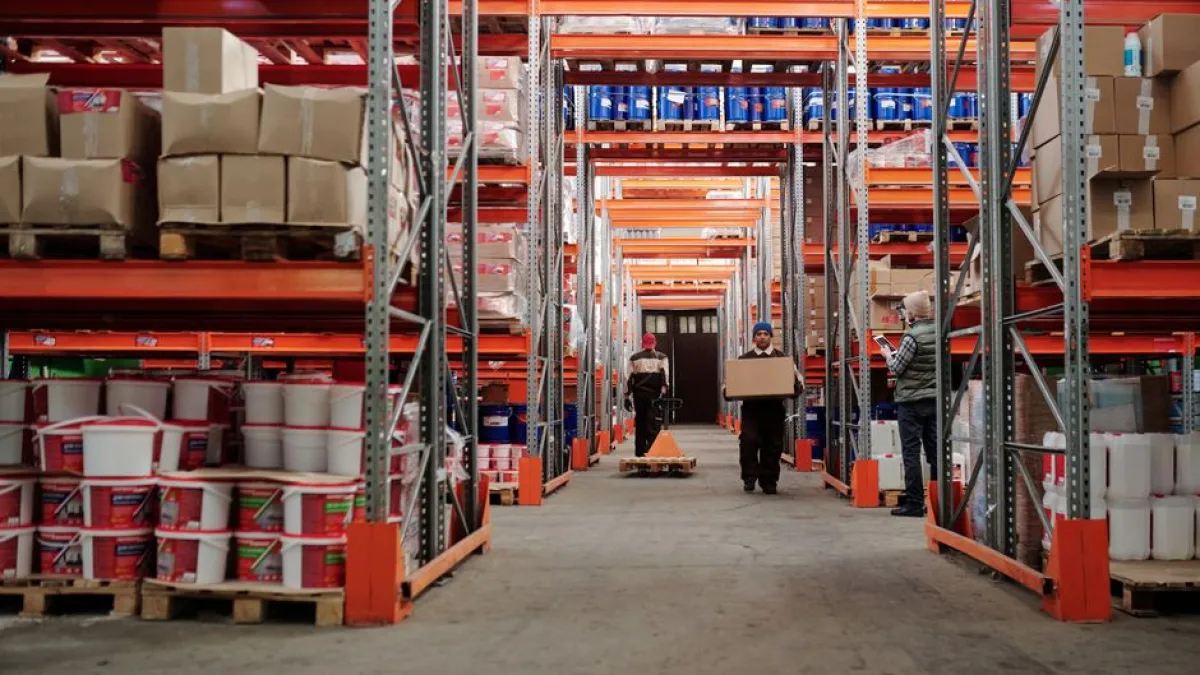
Scaling a freight forwarding business requires systems that grow alongside your increasing shipment volume. By leveraging automation for repetitive tasks, you enable your team to handle more cargo without the need for constant hiring, ultimately increasing your profit margins and operational scalability.
- Automatic Invoice Generation: Software converts shipment data into accurate invoices immediately upon completion, drastically reducing the time your finance team spends on billing and improving your company cash flow.
- Dynamic Freight Quoting: Automated pricing engines allow you to generate professional quotes for clients in seconds, ensuring you respond to leads faster than your competitors while maintaining accurate margins.
- Integration With Carriers: Direct electronic links to carriers for booking requests save hours of manual data entry, enabling faster responses to capacity demands during peak shipping seasons in industry.
- Analytics and Reporting: Built-in business intelligence tools generate reports on operational performance, helping you identify bottlenecks and opportunities to optimize your profit margins across every trade lane.
The ability to scale efficiently is what sets market leaders apart from the rest of the industry. Automation provides the structure needed to manage growth without increasing operational headaches. As your firm takes on more volume, these digital systems will work harder to maintain precision and speed. Building this foundation today ensures your business is ready for future expansion and market changes.
Conclusion
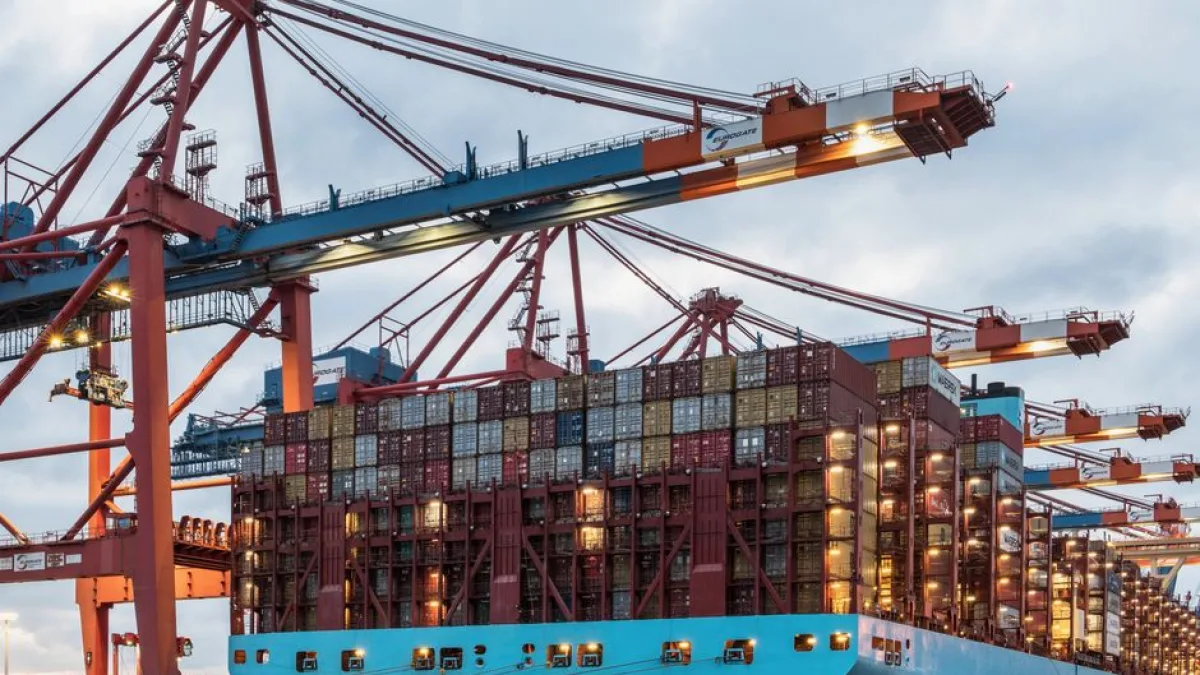
Optimizing your operations is a journey that starts with the right tools. By focusing on digitalization, visibility, compliance, and scalable automation, your firm can navigate the complexities of global trade with greater confidence and ease. MakeCargo provides the integrated platform you need to turn these operational goals into reality. Start streamlining your processes today and position your freight forwarding business for lasting growth.