Optimizing Freight Operations for Modern Logistics Success
Tuesday, July 28 2026

Modern freight forwarding requires a delicate balance of precision, speed, and transparency to remain competitive in a volatile global market. As supply chains grow increasingly complex, professionals must shift away from manual processes toward integrated digital ecosystems that prioritize data accuracy. By adopting advanced logistics software, companies can eliminate communication silos and reduce the risk of costly errors that frequently plague international shipments. This article explores how freight operations teams can leverage innovative tools and strategic workflows to boost productivity, ensure regulatory compliance, and deliver superior service to clients who demand real time visibility into their cargo movements.
Digitizing Operational Documentation

Transitioning from paper based systems to automated platforms allows teams to manage vast amounts of documentation with ease. Digital document management minimizes physical clutter while ensuring that critical trade compliance data remains accessible to all authorized stakeholders throughout the entire shipping process.
- Automated Data Entry: Implement smart scanning tools to extract information from bills of lading or packing lists automatically which eliminates human errors and saves hours of tedious manual administrative labor.
- Centralized Cloud Storage: Maintain a single source of truth by storing all shipping documents in one secure cloud location that enables instant retrieval and updates for global teams.
- Digital Signature Integration: Utilize electronic signatures to expedite approval processes for customs declarations and legal contracts while ensuring that all stakeholders sign documents from any remote global location.
- Compliance Tracking Tools: Integrate regulatory databases directly into your workflow to ensure that every shipment meets local and international standards before the cargo leaves the port of origin.
Digital transformation is no longer a luxury but a fundamental requirement for forwarders aiming to scale their operations. By removing the reliance on physical paperwork, your team gains speed and accuracy, allowing you to focus on high value tasks like strategic client management. Embrace these digital tools today to build a more resilient foundation that supports long term growth and customer satisfaction in logistics.
Real Time Shipment Visibility
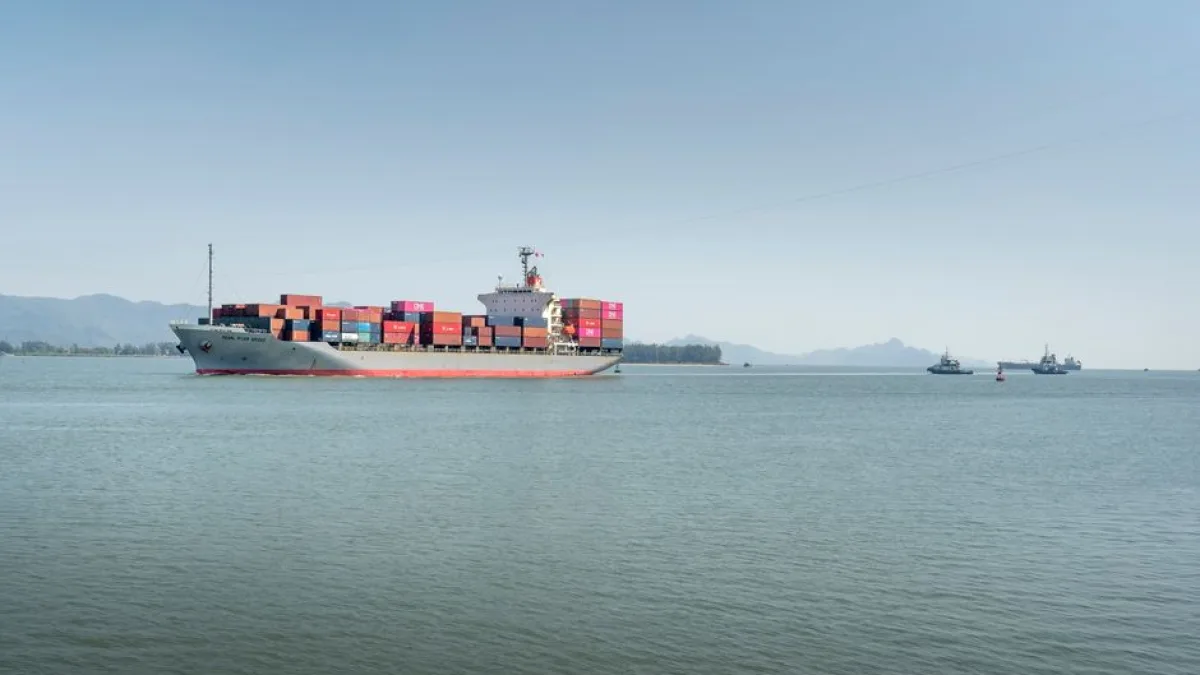
Providing clients with live updates on their cargo status is essential for maintaining trust and reducing inquiries. Advanced visibility tools bridge the communication gap, turning opaque shipping lanes into transparent journeys that give your customers full confidence in your logistics performance.
- Live Tracking Maps: Deploy GPS enabled tracking systems that provide real time location data for all containers in transit across ocean, air, and ground transport networks around the globe.
- Automated Status Alerts: Configure your software to send instant notifications to clients when milestones are reached such as cargo boarding, customs clearance, or final delivery to the warehouse.
- Exception Management Dashboards: Utilize dashboards that highlight potential bottlenecks early on, allowing your operations team to proactively address delays before they impact the final delivery schedule for customers.
- Mobile Access Portals: Provide clients with mobile friendly portals where they can check shipment details and download reports at any time without needing to call your office staff.
Visibility serves as the backbone of modern freight forwarding services and client retention strategies. When you offer clear insight into shipment status, you effectively reduce the administrative burden of fielding status update requests. This efficiency creates a competitive edge that keeps your clients coming back, as they know exactly where their high value goods are located throughout the entire voyage.
Managing Freight Carrier Partnerships

Successful freight operations rely on healthy relationships with a diverse network of carrier partners. Maintaining clear communication and performance data ensures that you can always secure the best capacity and rates while minimizing downtime during peak global shipping seasons.
- Vendor Performance Metrics: Analyze historical data to evaluate carrier reliability regarding transit times and damage rates, which helps you make informed decisions when selecting partners for complex shipments.
- Rate Negotiation Tools: Use integrated analysis software to compare current carrier rates against market benchmarks, ensuring you always secure the most cost effective pricing for your clients.
- Collaborative Booking Platforms: Streamline the booking process by using shared digital platforms where carriers can confirm availability and provide updates on space allocation without multiple phone calls.
- Conflict Resolution Workflows: Establish formal procedures for handling service failures or disputes with carriers, ensuring that your company maintains high standards of service while protecting your business interests.
Strong carrier relationships are built on a foundation of data transparency and mutual respect. When you manage your partnerships through a unified platform, you gain the clarity needed to optimize your supply chain network. Prioritizing these professional connections ensures consistent capacity access during times of market volatility, which ultimately strengthens your ability to fulfill client promises despite global logistics industry challenges.
Financial Performance and Billing

Accurate financial management is the cornerstone of a profitable freight forwarding business. From automated invoicing to complex profit and loss reporting, financial software ensures that your margins remain healthy while eliminating the risk of lost revenue or billing disputes.
- Automated Invoice Creation: Generate accurate invoices instantly based on completed shipment data, which speeds up your cash flow cycle and ensures that clients are billed correctly for services.
- Cost Analysis Features: Use advanced reporting modules to track every expense associated with a shipment, allowing you to identify hidden costs and improve profit margins for future logistics operations.
- Currency Management Tools: Manage multi currency transactions seamlessly by utilizing automated conversion rates, which simplifies billing for international clients and reduces errors associated with manual currency calculations.
- Audit Ready Records: Maintain detailed financial trails for every transaction to simplify the tax filing process and ensure that your company remains compliant with all relevant fiscal regulations.
Financial precision directly impacts the sustainability and growth of your freight business. By automating your billing and cost tracking, you remove the guesswork and human error from your accounting operations. This approach allows your finance team to work more efficiently, providing leadership with the accurate data required to make sound decisions that support long term financial health and operational excellence.
Conclusion
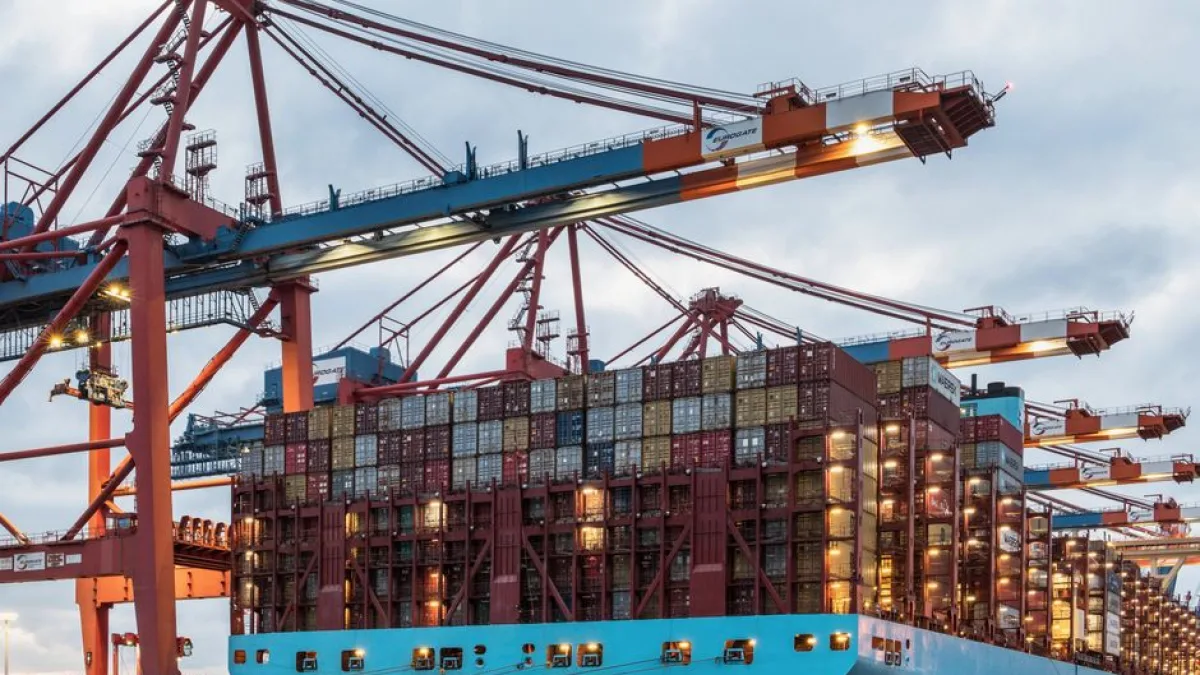
Optimizing your freight operations requires a holistic approach that integrates technology, communication, and financial discipline. By adopting the strategies outlined above, you position your logistics company to handle the demands of a fast paced global economy with greater ease and efficiency. Start small by digitizing a single workflow, then scale your efforts to transform your business into a truly modern and competitive forwarder.