Optimizing Freight Operations for Modern Logistics Success
Wednesday, July 29 2026
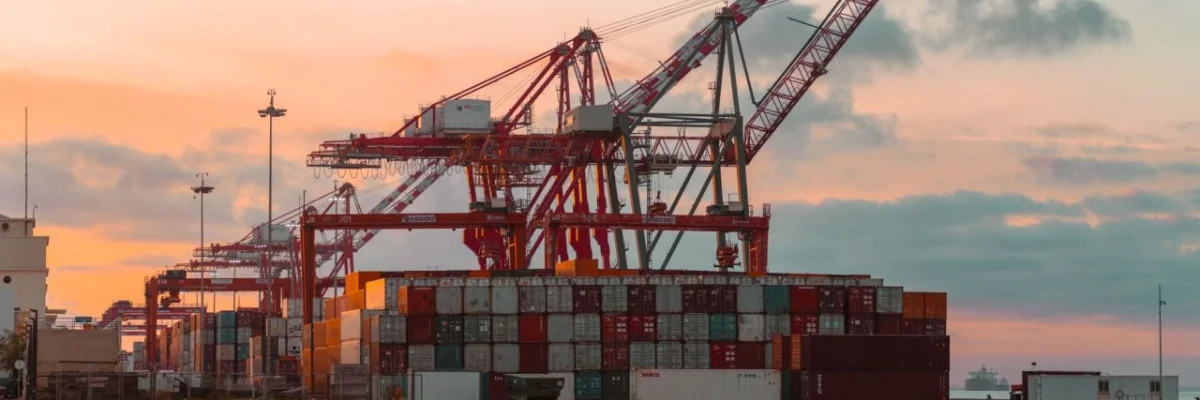
Modern freight forwarding requires a delicate balance of speed, accuracy, and regulatory compliance in an increasingly complex global market. As supply chains face constant disruption, logistics professionals must adopt smarter strategies to maintain operational efficiency and client satisfaction. Manual processes and siloed data systems often act as bottlenecks that prevent scaling and reduce profit margins. By leveraging cloud-based platforms and digital transformation tools, freight forwarders can gain real-time visibility into their shipments, automate redundant administrative tasks, and provide a superior customer experience that builds long-term loyalty in a competitive landscape where every second of transit time counts.
Streamlining Documentation Workflows

Efficient document management remains the backbone of successful freight operations and is essential for preventing delays at customs checkpoints. By digitizing paperwork, companies ensure that every stakeholder has instant access to critical shipping manifests, invoices, and compliance forms without physical filing.
- Automated Data Entry: Implement intelligent scanning software to extract key information from paper documents directly into your platform to eliminate human typing errors and save hours of administrative labor.
- Centralized Cloud Storage: Maintain a single source of truth for all shipping documents to ensure that remote teams and branch offices access the latest versions of files.
- Compliance Tracking Tools: Utilize digital verification systems that automatically flag missing signatures or incorrect tariff codes to keep your operations compliant with international shipping regulations and laws.
- Secure Access Control: Define specific user roles within your software to protect sensitive financial data while ensuring authorized team members can retrieve necessary records during transit audits.
- Instant Digital Sharing: Replace traditional courier services for documents by using integrated sharing portals that allow clients and carriers to view required paperwork in seconds online.
Transitioning to a paperless environment not only reduces your overhead costs but also accelerates the speed at which your team handles each shipment. When your documentation flows seamlessly through the pipeline, your staff spends less time searching for misplaced files and more time solving complex logistics problems for your customers, ultimately resulting in a much smoother and more reliable supply chain experience.
Enhancing Shipment Real Time Visibility

Real-time tracking provides an undeniable competitive advantage by allowing forwarders to proactively manage expectations during transit. Modern tracking systems synthesize data from multiple carriers, giving you a live overview of where every container is located across the global network.
- Multi-Carrier Integration: Connect your management system with major shipping lines and trucking fleets to pull live updates into a single dashboard for effortless tracking across modes.
- Proactive Exception Management: Configure automatic alerts for delays or route changes so your customer service team can contact shippers before they even notice a missed deadline.
- Accurate Arrival Predictions: Use historical data and current port conditions to provide your clients with more reliable estimated time of arrival windows for better cargo planning.
- Live Location Mapping: Deploy interactive map interfaces that allow stakeholders to see the exact current position of goods relative to major ports and regional distribution centers.
- Client Portal Transparency: Offer your customers a branded login area where they can monitor their own active shipments without calling your office for status updates.
Visibility is no longer just a luxury feature but a fundamental requirement for building trust with your logistics partners. When you provide immediate, transparent access to shipment status, you minimize the need for status inquiry emails and phone calls. This transformation allows your employees to focus on value-added services while simultaneously increasing your customers level of confidence in your company.
Leveraging Automated Carrier Coordination

Coordinating with carriers often involves a massive amount of email back and forth, which can be easily automated. Modern platforms allow for direct integration, effectively turning complex communication chains into structured, digital exchanges that minimize the risk of misunderstanding or missed instructions.
- Instant Quote Requests: Utilize built-in procurement tools to send batch requests for quotes to your preferred carriers, ensuring you always secure the most competitive market rates.
- Digital Rate Management: Store all carrier tariffs in a searchable database to perform instant comparisons and choose the best route for your specific shipping requirements.
- Electronic Booking Confirmation: Eliminate manual booking forms by using direct API connections to carrier systems, securing vessel or truck space with just a few simple clicks.
- Unified Communication Hubs: Keep all correspondence regarding specific bookings within the relevant shipment file so that any team member can pick up where others left off.
- Automated Milestone Updates: Configure your platform to trigger status updates automatically when carriers upload proof of delivery or change a vessel arrival time for accuracy.
Automated coordination transforms your relationship with carriers from reactive to proactive. By removing the friction from procurement and booking processes, your operations team can focus on negotiating better contract terms or resolving capacity shortages during peak seasons. This streamlined approach keeps your internal processes lean while maintaining strong, digital-first relationships with your network of global transportation providers throughout the entire year.
Scaling Through Smart Financial Integration

Integrating financial workflows directly into your freight software ensures that you get paid faster and manage cash flow effectively. Linking invoices to shipment milestones prevents revenue leakage and removes the manual disconnect between the operations team and the accounting department during closing.
- Milestone Based Invoicing: Set up your system to generate invoices automatically once a shipment reaches a specific milestone like departure or arrival at the destination port.
- Seamless Ledger Sync: Push revenue and cost data directly into your accounting platform to eliminate duplicate entries and maintain perfect alignment between your operations and financials.
- Automated Cost Auditing: Compare carrier invoices against your initial quote agreements to identify discrepancies instantly and prevent overcharging by third-party logistics partners during billing cycles.
- Flexible Payment Portals: Provide clients with digital payment options that allow them to settle their accounts online, significantly reducing the time spent on manual debt collections.
- Profitability Analytics Reporting: Generate real-time reports on the margin per shipment to identify which routes or customers are driving the highest growth for your company.
When you align your financial operations with your logistics data, you gain a clear picture of your actual business health. Managing costs and invoices within the same ecosystem where shipments are booked creates a unified vision for your management team. This integrated financial visibility is essential for making informed decisions, optimizing profit margins, and ensuring sustainable growth in a tough market.
Conclusion

Optimizing freight operations relies on embracing technology that bridges the gap between manual work and digital efficiency. By focusing on documentation, visibility, carrier coordination, and financial integration, your business becomes more resilient. Start your transformation today by assessing which manual bottlenecks currently slow down your team and implement a scalable, cloud-based platform to drive your company toward a more efficient and profitable future.