Optimizing Freight Operations for Modern Logistics Success
Friday, August 7 2026

Modern freight forwarding requires a delicate balance between complex global logistics and the increasing demand for rapid digital execution. As supply chains grow more volatile, the pressure on forwarders to deliver transparency and speed has never been higher. Leveraging cloud-based platforms is no longer a luxury but a fundamental necessity to maintain a competitive edge. By automating manual documentation and centralizing communications, professionals can mitigate risks while enhancing client satisfaction. This article explores essential best practices that empower freight forwarders to streamline workflows, reduce operational bottlenecks, and achieve sustainable growth within an ever-evolving global shipping landscape.
Digital Workflow Automation

Automating repetitive documentation tasks is vital for increasing throughput. By moving away from manual spreadsheets toward integrated digital workflows, your team reduces the risk of human error while freeing up valuable time to focus on complex logistical challenges.
- Centralized data management: Consolidating all shipment details into one cloud platform ensures that every team member has real-time access to the most accurate information for improved decision-making.
- Automated document generation: Reduce administrative burden by utilizing software that automatically populates essential shipping documents based on existing entry data, significantly cutting down processing times for every client.
- Streamlined client communication: Automated notifications keep your stakeholders updated on status changes without requiring constant manual emails, which helps build trust through consistent and transparent logistics reporting.
- Error reduction strategies: Implementing digital validation checks prevents common mistakes like duplicate entries or incorrect tariff codes, ensuring your documentation remains compliant with international customs and safety regulations.
Adopting automation is the single most effective way to scale your operations without increasing headcount. When your systems handle the heavy lifting of repetitive tasks, your staff can provide the high-touch customer service that clients truly value. This transition to a digital-first approach ensures that your freight business remains resilient and capable of handling sudden spikes in global demand without operational failure.
Effective Shipment Tracking
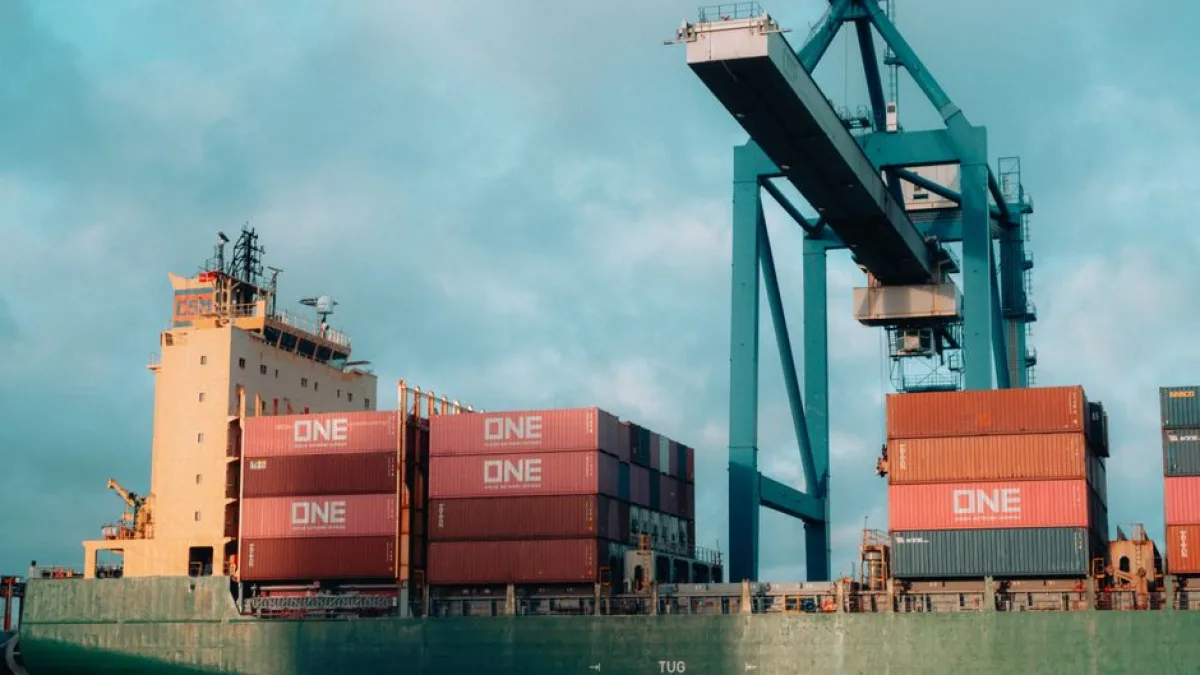
Real-time visibility into cargo movement is the cornerstone of modern logistics excellence. Providing accurate tracking data prevents disputes and keeps your supply chain partners informed about potential delays, thereby maintaining professional standards during every step of the journey.
- Integrated tracking modules: Utilizing software that syncs directly with carrier networks allows you to provide live updates to your clients regarding their specific container locations and schedules.
- Proactive delay alerts: Setting up automated alerts for port congestion or weather disruptions helps you inform clients early, allowing for better contingency planning and alternative route management.
- Enhanced cargo security: Consistent tracking provides a verifiable trail of custody for all goods, which minimizes the risk of theft and ensures accountability throughout the international transit.
- Dynamic mapping tools: Incorporating visual map interfaces gives your clients an intuitive way to view their shipments, which simplifies complex logistics data into an accessible, user-friendly format.
Visibility is the primary driver of customer loyalty in the competitive freight industry today. When you provide stakeholders with granular insights into their cargo journey, you shift from being a simple service provider to a strategic partner. This transparency reduces anxiety and fosters long-term business relationships, proving that your firm is equipped with the sophisticated technology required for global trade excellence.
Optimizing Vendor Relations

Cultivating strong relationships with your carriers and local agents is crucial for reliable freight performance. By fostering clear communication channels and setting performance expectations, you ensure that your shipping network remains robust even during periods of heavy market strain.
- Collaborative partner platforms: Sharing a digital workspace with your agents helps align goals and resolve issues quickly, which prevents friction that often arises from disconnected communication systems.
- Regular performance reviews: Conducting consistent audits of your carrier performance data helps you identify the most reliable partners, enabling you to optimize your network for better results.
- Unified rate management: Maintaining a shared database for freight rates ensures that your team always has the most current pricing, leading to faster and more accurate quoting.
- Conflict resolution protocols: Establishing clear guidelines for handling disputes ensures that both parties understand their responsibilities, which maintains harmony and operational continuity across all your international shipments.
Your network is only as strong as your weakest link. By standardizing how you engage with vendors, you create a seamless ecosystem that prioritizes efficiency and accountability. Investing in tools that bridge the communication gap between your office and your external partners is a proven strategy for maintaining consistent quality and reliable service levels across all your logistics operations globally.
Compliance and Documentation

Navigating the complex landscape of international trade regulations requires extreme attention to detail and organized documentation. Ensuring full compliance with customs laws is essential for avoiding costly penalties and preventing cargo from being held up at critical checkpoints during transit.
- Digital record archives: Storing every document in a secure, searchable cloud database allows for instant retrieval during audits and ensures compliance with international trade record-keeping requirements.
- Standardized entry filing: Utilizing automated templates for customs declarations helps ensure that every submission follows local legal standards, which minimizes the likelihood of expensive shipment rejections.
- Regulatory update monitoring: Staying informed about changing international trade laws is easier when your software platform provides alerts, allowing you to adapt your processes to new mandates.
- Audit readiness preparation: Maintaining clean and organized digital folders ensures that your firm is always prepared for regulatory inquiries, reducing stress and operational downtime during official reviews.
Regulatory compliance acts as the foundation of your reputation as a trusted freight forwarder. By treating documentation with the precision it deserves, you safeguard your clients from delays and protect your business from legal risks. When your systems are built to prioritize compliance, you gain the confidence to scale operations internationally while knowing your foundations are rock solid and secure.
Conclusion

Integrating these best practices into your daily operations will transform how your freight forwarding business functions. By prioritizing digital automation, real-time visibility, strong vendor partnerships, and strict compliance, you build a foundation that supports sustainable growth. Now is the perfect time to audit your current workflows and start optimizing for success. Contact the team at MakeCargo today to streamline your logistics operations effortlessly.