Optimizing Freight Operations for Modern Logistics Success
Saturday, August 8 2026
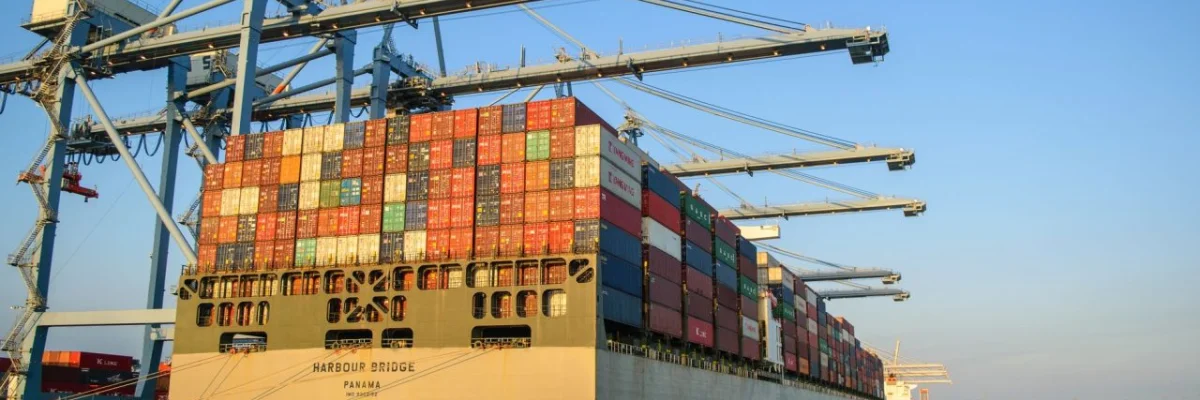
Modern freight forwarding requires a delicate balance between speed and precision to satisfy demanding global supply chains. As market volatility becomes the new standard, professionals must pivot away from manual spreadsheets and siloed communication channels to remain competitive. By leveraging centralized cloud-based platforms, forwarders gain the visibility necessary to identify bottlenecks in real-time and mitigate risks before they impact client bottom lines. Enhancing operational efficiency is no longer just a tactical advantage but a mandatory requirement for sustainable growth in the international logistics landscape, ensuring your team stays ahead of complex industry challenges.
Automating Shipment Documentation

Automation serves as the backbone of modern freight forwarding by replacing repetitive manual tasks with streamlined digital workflows. Digitizing your documentation processes significantly reduces human error and accelerates the clearing of cargo through critical international customs points at major terminals.
- Eliminating Manual Entry: Integrated software platforms extract data directly from invoices and manifests to populate digital records, preventing common typos that lead to costly shipment delays at borders.
- Standardizing Electronic Forms: Centralizing your document templates ensures every shipment follows identical compliance protocols, making audits easier and improving overall consistency across your regional branch office locations.
- Automated Validation Rules: Smart systems cross-reference submitted data against global customs requirements to flag potential compliance issues before final submission to avoid heavy penalties or cargo seizures.
- Real-time Document Access: Providing stakeholders with secure cloud access to shipping papers ensures that all relevant parties maintain complete transparency throughout the entire international transit lifecycle process.
Adopting automated document management allows your staff to shift focus from data entry to high-value client relationship tasks. By removing the administrative burden, your company can process higher volumes of cargo without increasing headcount or overhead expenses. This transition builds a scalable foundation for future expansion, ensuring that your operations remain lean and agile regardless of current global trade or capacity fluctuations.
Improving Vendor Communication
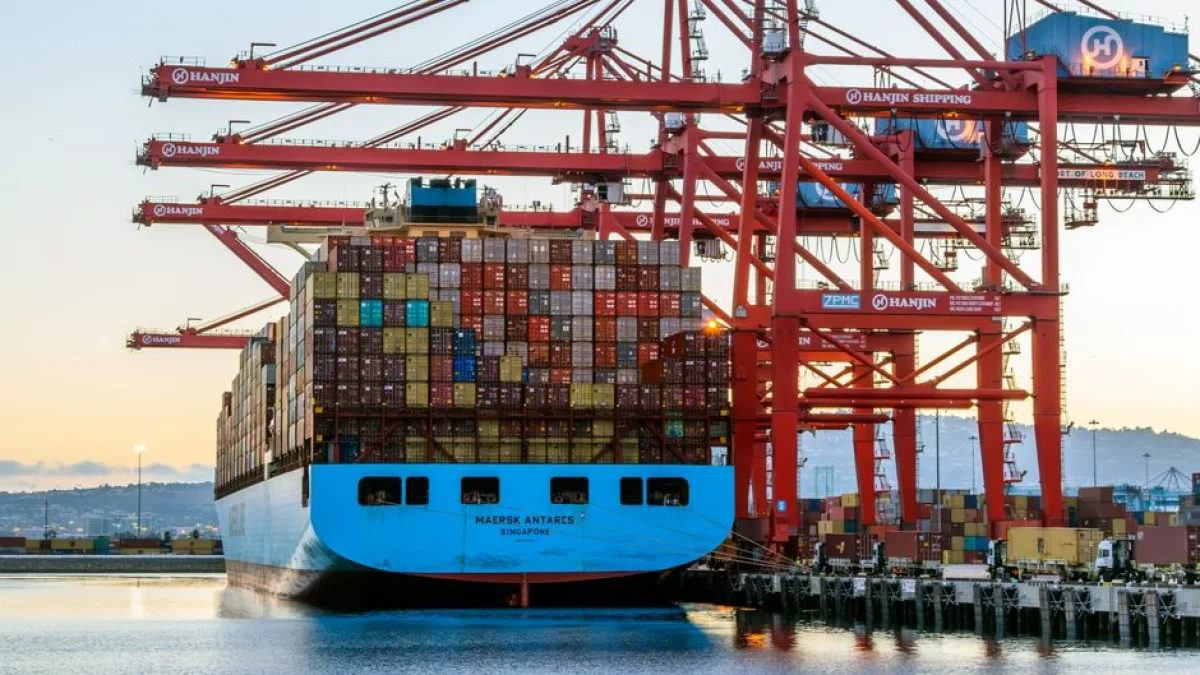
Effective collaboration with international partners depends on transparent and immediate information flow. Establishing a unified platform for vendor communication eliminates fragmented email chains and ensures that every participant remains aligned on current shipment statuses and transit deadlines.
- Centralized Partner Portals: Create dedicated access points for carriers and agents to update status changes directly, removing the need for frequent phone calls and time-consuming status updates.
- Standardized Messaging Protocols: Implementing clear communication templates helps ensure that all status reports provide consistent information, preventing confusion regarding container locations or potential arrival schedule changes and delays.
- Automated Notification Triggers: Configured alerts keep your team informed whenever a milestone is reached, enabling proactive decision-making rather than reactive problem solving when unexpected disruptions occur during transit.
- Version Control Systems: Shared project folders ensure that vendors and internal teams always refer to the most recent version of shipping instructions, reducing misunderstandings regarding complex cargo requirements.
Stronger communication frameworks are essential for maintaining professional standards in a complex global market. When your agents and vendors work from the same live data, trust increases and coordination improves significantly. This unified approach reduces the likelihood of cargo damage or missed pickups, fostering long-term partnerships that drive superior value for your final customers while enhancing your overall industry reputation.
Leveraging Real-time Tracking
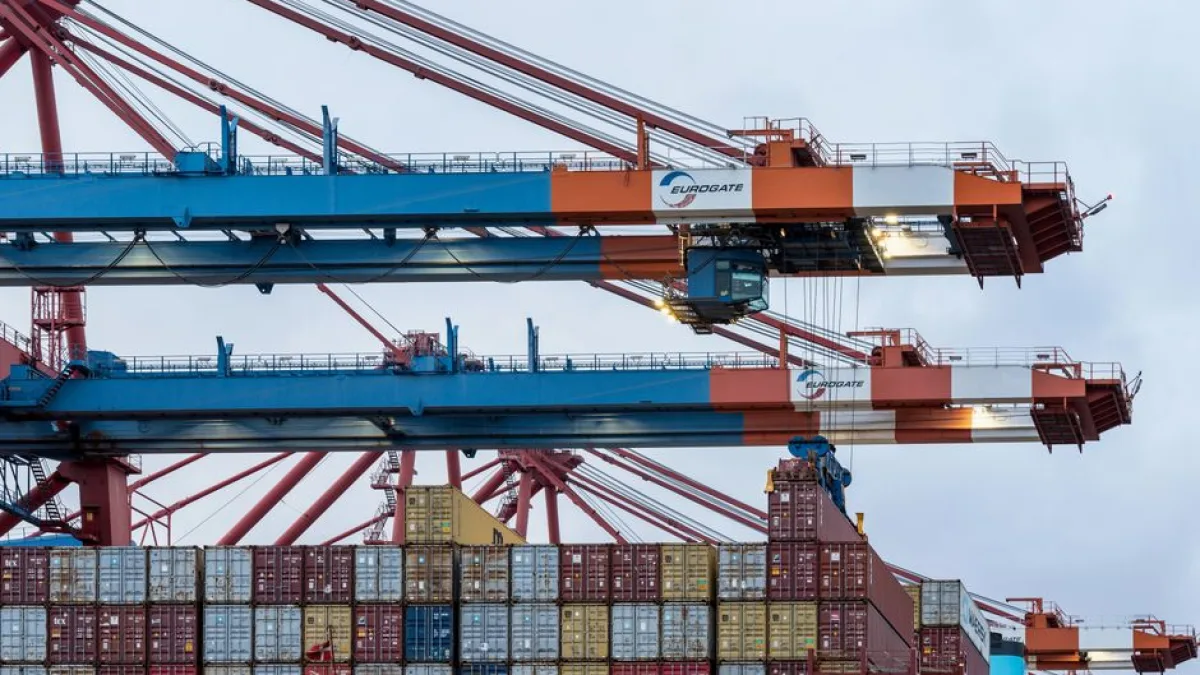
Real-time visibility into your cargo movement is a vital component of modern freight forwarding strategy. By integrating live tracking data, you provide clients with the certainty they need to manage their own internal supply chain timelines effectively.
- Live Geo-location Data: Accessing satellite feeds for vessels and trucks allows for precise estimation of arrival times, helping clients plan their warehouse labor and inventory distribution schedules.
- Proactive Exception Alerts: Automated systems notify you immediately of weather delays or port strikes, giving you the lead time needed to reroute shipments and avoid major disruptions.
- Client Visibility Dashboards: Offering customers a dedicated portal for monitoring their shipments enhances trust and reduces the volume of manual status update requests sent to agents.
- Data-driven Transit Analysis: Reviewing historical tracking performance helps identify carriers or routes that consistently underperform, allowing your team to optimize future logistics choices for maximum operational reliability.
Investing in advanced tracking capabilities shifts your service model from basic transportation to high-level supply chain consulting. Clients value firms that offer transparency because it helps them manage their own operational risks with greater confidence. When you position your business as a data-driven partner, you differentiate your services from low-cost competitors and secure more loyal, long-term clients in the freight industry.
Scaling Through Cloud Systems

Cloud-based technology provides the agility required to scale your logistics operations quickly. Whether you are adding new regions or handling a sudden surge in demand, scalable software solutions ensure that your infrastructure remains stable and efficient throughout growth cycles.
- Remote Team Access: Cloud systems enable staff to manage global logistics operations from any location, facilitating 24/7 service coverage without requiring physical presence in an expensive central office.
- Resource Elasticity Features: Flexible software subscriptions allow you to adjust capacity based on seasonal freight volumes, ensuring you only pay for the digital tools you actively use.
- Enhanced Data Security: Enterprise-grade encryption protects your sensitive shipment data from cyber threats, ensuring compliance with international privacy laws while maintaining high levels of operational uptime daily.
- Seamless Platform Integrations: Connecting your freight platform with accounting and ERP tools creates a single source of truth for your entire business, streamlining financial reconciliation and reporting.
Scaling your operations becomes seamless when your technology stack supports your expansion goals. Cloud systems minimize the risk of hardware failures and provide robust security features that legacy systems cannot match. By leveraging these modern tools, your freight forwarding company can achieve greater efficiency and maintain high service standards while your business footprint grows across new markets and international trade regions.
Conclusion

Optimizing your operations is a continuous process that demands the right combination of technology and strategic planning. By automating documentation, fostering clear communication, utilizing real-time tracking, and embracing scalable cloud tools, your freight forwarding business can overcome common industry hurdles. Start implementing these changes today to improve your efficiency, reduce operational costs, and deliver superior service that keeps your clients coming back consistently.