Optimizing Freight Operations for Modern Logistics Success
Monday, August 10 2026
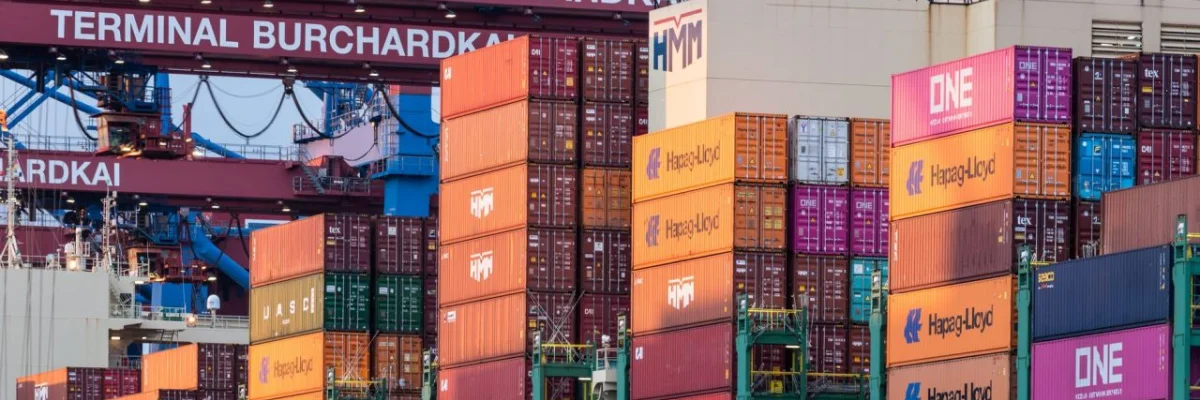
Modern freight forwarding requires a delicate balance between speed, cost efficiency, and operational transparency. As global trade lanes become increasingly complex, professionals must leverage advanced digital tools to stay competitive. Manual processing and fragmented communication channels are now the primary barriers to scalability, often leading to costly errors and delayed shipments. By transitioning to a cloud based freight management architecture, businesses can gain real time visibility into every milestone of the supply chain. This shift not only empowers teams to make data driven decisions but also improves the overall client experience by ensuring accuracy and reliability throughout the entire shipment lifecycle.
Digitizing Operational Workflows
Transitioning from traditional paperwork to integrated software solutions significantly reduces administrative burdens while enhancing data accuracy. By centralizing documentation, teams eliminate silos that frequently hinder communication across international branches and logistics partners throughout the global trade network.
- Automated Documentation Processing: Eliminate manual data entry tasks by using automated systems that populate shipping bills and customs declarations directly from your primary operational freight management software platform interface.
- Centralized Communication Hubs: Consolidate all stakeholder emails and chat logs into one single digital space to prevent vital information from being trapped within private employee inboxes or systems.
- Standardized Data Entry: Implement uniform input requirements across all office locations to ensure that every shipment record remains consistent and searchable for future audits and reporting.
- Cloud Based Accessibility: Allow authorized personnel to access shipment files from any location globally, which facilitates faster collaboration and reduces delays caused by physical office constraints.
Digital transformation is no longer a luxury but a fundamental necessity for survival in the current shipping landscape. By adopting these technological advancements, firms can drastically reduce human error rates while increasing their total output volume without adding more administrative headcount. This strategic move creates a robust foundation that supports sustainable business growth and long term profitability in the highly volatile global freight market.
Optimizing Ocean Freight Processes
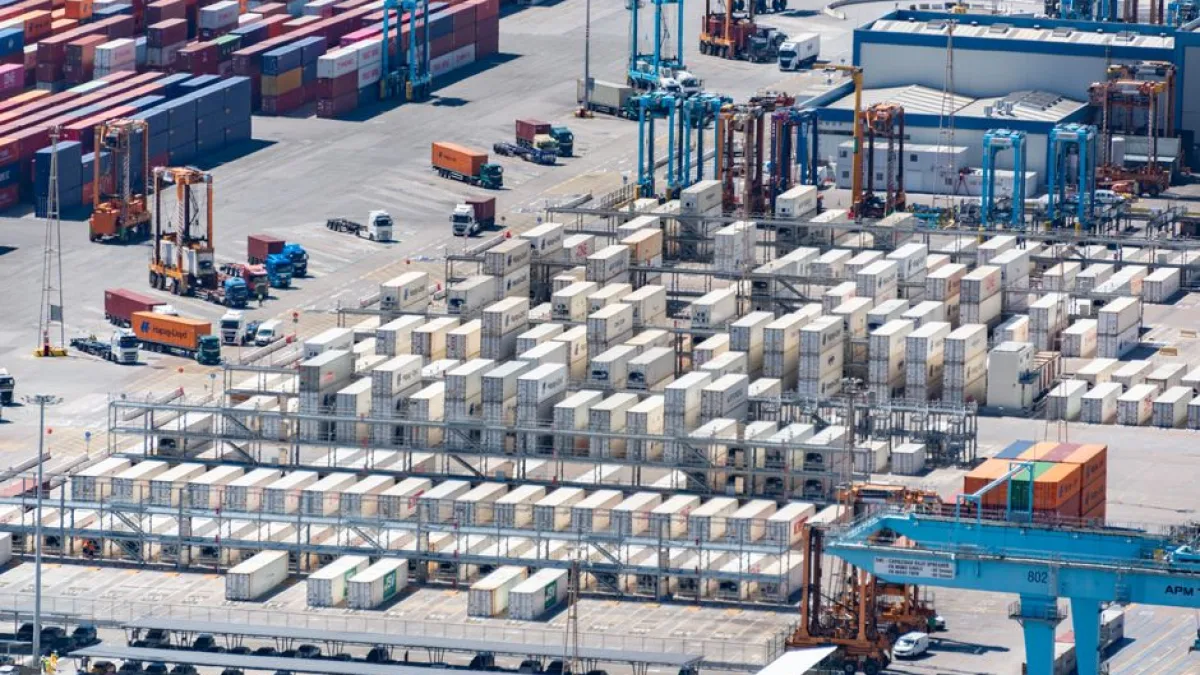
Ocean freight remains the backbone of global commerce, yet it presents unique challenges involving complex scheduling and port congestion. Efficiently managing these large scale movements requires rigorous planning and the ability to pivot strategies based on real time market intelligence.
- Real Time Tracking: Utilize advanced tracking integrations to monitor vessel movements constantly, providing proactive notifications to your clients before potential delays become critical operational bottlenecks for them.
- Carrier Performance Analysis: Regularly evaluate the performance of your shipping lines based on historical data points such as transit times and equipment availability to ensure better routing.
- Automated Booking Requests: Streamline the connection between your system and shipping line portals to reduce the time spent on manual booking submissions and confirmation follow up calls.
- Dynamic Route Planning: Adjust shipping paths based on current weather reports, port labor updates, and fuel cost projections to minimize expenses while maintaining strict delivery time commitments.
Managing ocean freight effectively means mastering the art of information flow as much as the physical movement of goods. By integrating automated tracking and performance analytics, logistics providers can offer superior service levels that differentiate them from competitors. Maintaining this level of operational excellence requires a commitment to continuous monitoring and the adoption of modern tools that turn raw data into actionable insights.
Enhancing Customs Compliance Strategies

Customs compliance is a high stakes area where errors lead to severe financial penalties and lengthy cargo seizures. Implementing a proactive approach to regulatory standards safeguards your operations and strengthens the trust you maintain with your international clients and partners.
- Integrated Regulatory Updates: Sync your operations software with global customs databases to ensure that your classification codes and tariff information remain updated with the latest regional regulations.
- Pre-clearance Document Review: Automate the preliminary audit of commercial invoices and packing lists to identify discrepancies in documentation before shipments reach the border or port authorities.
- Digital Audit Trails: Maintain permanent and accessible digital records for every customs declaration, which serves as essential evidence during mandatory compliance reviews or government investigations today.
- Automated Alerts System: Configure your software to send immediate notifications to your compliance team whenever there is a change in specific HS codes or international trade restrictions.
By prioritizing compliance through technology, you protect your company from unnecessary risks and legal complications that frequently arise in international shipping. Establishing a rigorous process for customs documentation not only ensures smoother clearance but also enhances your reputation as a reliable and professional service provider. Investing in these preventative measures ultimately saves significant time and money by avoiding the traps of non compliance.
Scaling Client Service Standards

Client satisfaction is the ultimate metric of a successful freight forwarding operation, particularly when handling complex supply chains. Delivering consistent value requires an approach that puts transparency, speed, and clear communication at the very center of your service model every day.
- Self Service Portals: Provide your clients with a secure portal where they can view shipment status, download documents, and track milestones independently without waiting for manual status updates.
- Proactive Incident Reporting: Develop a communication strategy that informs clients of issues as soon as they arise, which demonstrates transparency and builds lasting trust during difficult situations.
- Customized Reporting Tools: Generate automated performance reports for your clients to showcase your value through visual data that highlights cost savings and timely delivery percentages each month.
- Automated Status Notifications: Configure your system to push triggered updates to clients via email or text at every key milestone, reducing the volume of inbound status inquiries.
Excellent client service is what defines a top tier freight forwarder in an era where information is instantly available. By empowering customers with direct access to data and providing proactive communication, you build strong relationships that drive recurring business. This focus on the client experience ensures that your operations are not just functional but also a competitive advantage in the global market.
Conclusion

Achieving excellence in freight operations demands a dedication to digital integration and process refinement. By focusing on workflow automation, regulatory compliance, and elevated client service, your firm can navigate the challenges of modern logistics with confidence. Start optimizing your operations today by auditing your current tech stack and identifying the bottlenecks that hinder your team. Continuous improvement is the key to lasting success.