Optimizing Freight Operations for Modern Logistics Success
Wednesday, August 12 2026
The global supply chain is evolving at an unprecedented rate, forcing freight forwarders to move beyond manual processes and embrace digital transformation. As market volatility increases and client expectations for real-time visibility skyrocket, the ability to centralize data becomes the primary competitive advantage. Modern logistics professionals must leverage cloud-based platforms to eliminate silos, reduce administrative overhead, and enhance collaboration across international borders. By adopting scalable technology solutions, forwarders can focus on strategic growth rather than getting bogged down by repetitive paperwork. Achieving operational excellence requires a proactive shift toward automation, ensuring every shipment is monitored, managed, and optimized for maximum efficiency.
Embracing Digital Automation
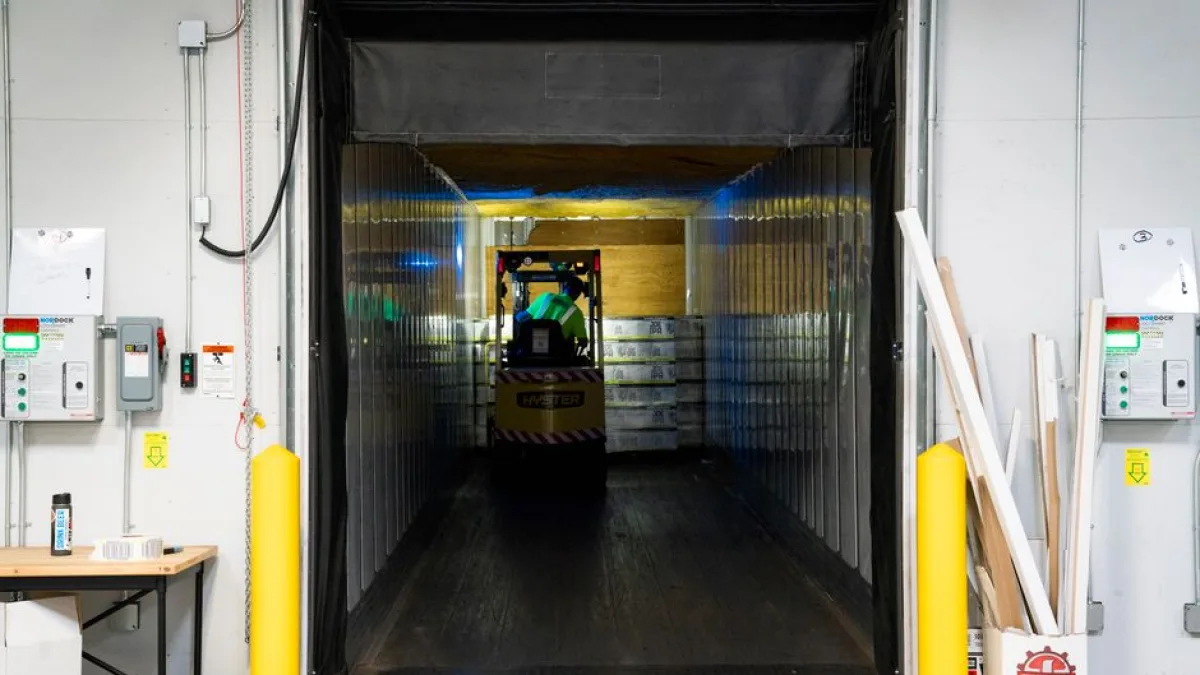
Digital automation acts as the backbone of modern freight forwarding, effectively replacing tedious manual data entry with intelligent, error-free workflows. By integrating automated systems, forwarders can gain speed, precision, and reliable insights into their complex day-to-day operations.
- Automated documentation tasks: Streamlining the creation of bills of lading and commercial invoices reduces human error while drastically decreasing the time your staff spends on repetitive back-office administrative paperwork.
- Real-time data flow: Syncing information between carriers, partners, and clients ensures that every stakeholder remains informed, which prevents communication breakdowns and delays during the critical transit process.
- Smart booking systems: Integrating automated booking modules allows your team to secure capacity instantly, ensuring that rate fluctuations do not compromise your margins or your overall customer satisfaction.
- Error reduction strategies: Automated validation checks identify inconsistencies in shipment data early, preventing costly customs penalties or delays that frequently arise from simple typographical errors during data entry.
- Workflow scalability options: Digital tools allow your business to handle higher shipment volumes without the need for additional headcount, providing a flexible framework that adapts to your growth.
Transitioning to automated workflows allows your team to reclaim valuable hours previously lost to manual data handling. When your platform handles the repetitive tasks, your staff can dedicate their focus to building stronger relationships with shippers and carriers. This shift not only improves internal productivity but also elevates the quality of service provided to clients who increasingly demand fast, accurate, and transparent logistics information.
Enhancing Shipment Visibility
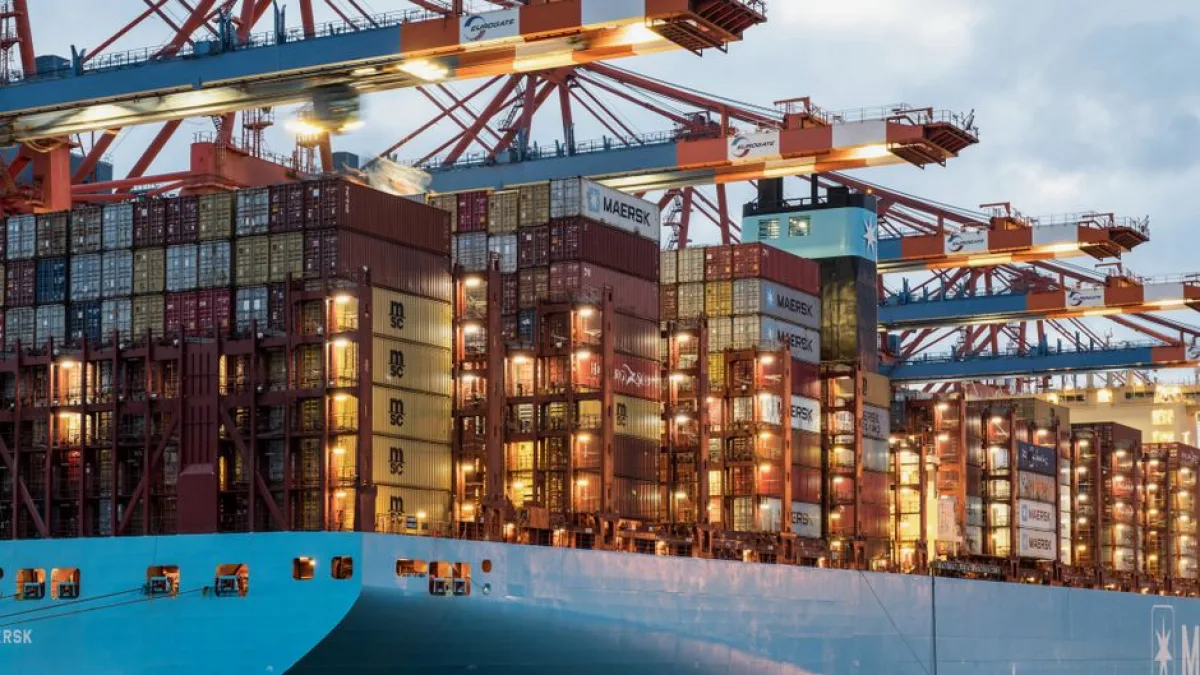
Visibility is the ultimate currency in today-s logistics market, as clients demand precise tracking updates for every movement. Investing in tracking technology ensures that every partner can monitor cargo status, fostering deep trust and long-term client retention.
- Live tracking portals: Providing your customers with a dedicated self-service portal for tracking shipments reduces the frequency of inbound status inquiry calls, saving your operations team time.
- Proactive disruption alerts: Automated notifications regarding port congestion or weather delays allow your team to communicate issues early, giving clients time to adjust their supply chain plans.
- Unified control tower: Centralizing data from various carriers into one single interface gives your logistics managers a comprehensive view of all global transit movements in real-time.
- Detailed milestone tracking: Granular tracking updates provide stakeholders with peace of mind by showing exactly where goods are located throughout each leg of their complex international journey.
- Data driven reporting: Accessing historical performance reports helps you identify recurring transit bottlenecks, allowing for better strategic decision-making when selecting future carrier partners or shipping routes.
Providing exceptional transparency distinguishes your freight forwarding business in a crowded market. When customers can view their shipment progress independently, your team is freed from answering basic status questions. This empowerment creates a seamless user experience that encourages loyalty and positions your agency as a reliable, tech-forward partner capable of managing complex logistics requirements in an increasingly unpredictable global trading environment.
Optimizing Carrier Management

Managing carrier relationships effectively requires a blend of data analysis and clear communication. By monitoring carrier performance metrics within your software, you can ensure that only the most reliable providers handle your critical client cargo shipments.
- Performance metric tracking: Analyzing historical data on carrier transit times and reliability helps you choose the best partners for specific trade lanes, reducing the risk of delays.
- Competitive rate management: Utilizing a centralized database for carrier rates allows your team to compare options rapidly, ensuring you always secure the most cost-effective shipping solutions.
- Contract compliance monitoring: Software tools help track whether carriers are adhering to negotiated service levels, protecting your agency from unexpected surcharges and service failures during busy seasons.
- Strategic partner communication: Using platform tools to share booking requirements directly minimizes back-and-forth emails, ensuring that carrier instructions are always clear, accurate, and easily accessible to all.
- Financial reconciliation tools: Automated matching of invoices against initial quotes prevents billing discrepancies, ensuring that your financial accounting remains accurate and your profit margins stay protected.
Optimizing how you work with carriers directly impacts your bottom line. By leveraging the right software to manage these vital partnerships, you create a more resilient logistics chain. When you hold carriers accountable through objective data, you foster a culture of excellence that benefits your customers. Strong partnerships, backed by accurate digital records, are essential for navigating the complexities of modern international freight shipping.
Prioritizing Data Security

Data security is no longer optional in an industry that handles sensitive commercial information. Protecting your platform and client data from potential cyber threats is a fundamental responsibility for any professional freight forwarder today.
- Cloud infrastructure security: Choosing platforms with enterprise-grade encryption ensures that all shipment details, client contacts, and financial records remain safe from unauthorized access during digital transmission.
- Regular system backups: Automated daily backups guarantee that your logistics data remains retrievable in the event of hardware failure, cyber attacks, or other unexpected technical disasters occur.
- Multi-factor authentication protocols: Requiring additional verification steps for team logins significantly reduces the risk of credential theft, keeping your internal business accounts secure from unauthorized remote intrusions.
- Role based access control: Restricting system visibility based on specific staff responsibilities ensures that sensitive financial information is only seen by those who truly need it daily.
- Regular software updates: Keeping your cloud software updated ensures that you benefit from the latest security patches, defending your operations against emerging digital vulnerabilities and threats.
Securing your digital environment is critical to maintaining the trust of your global clients. When you demonstrate a commitment to data privacy and system resilience, you differentiate your company as a sophisticated and trustworthy logistics provider. Investing in robust security practices protects your business reputation and ensures continuous operations, providing peace of mind for both your internal staff and your valuable partners.
Conclusion
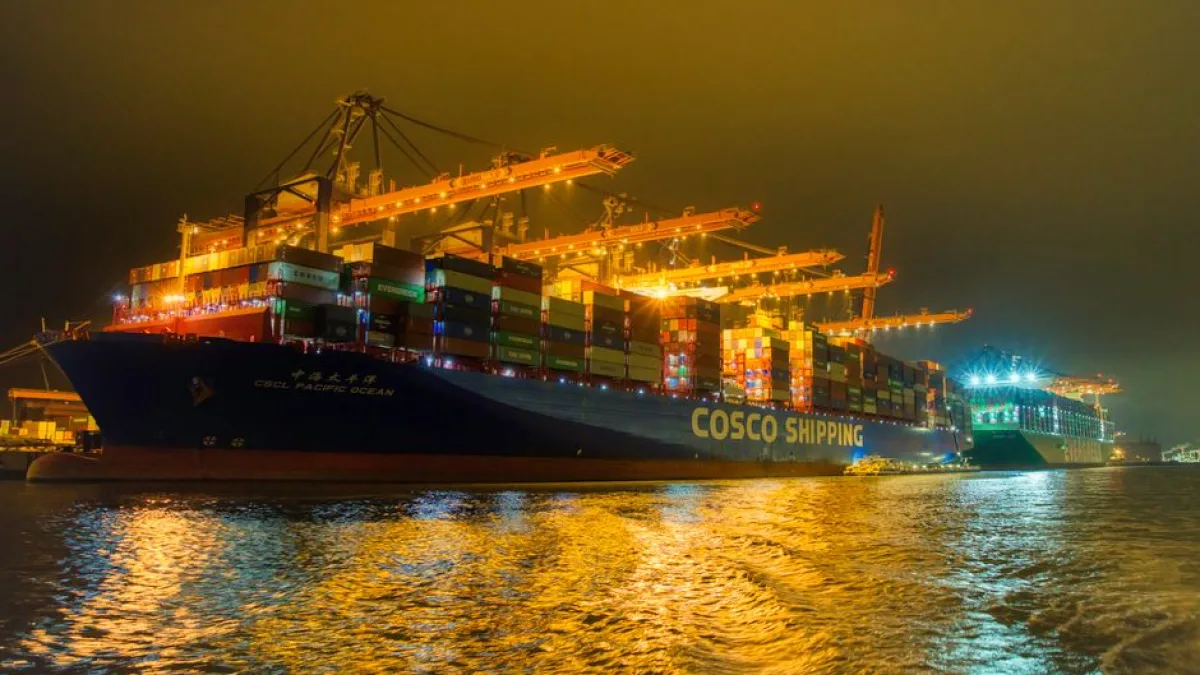
Modernizing your freight forwarding operations is essential for long-term viability in a fast-paced market. By leveraging cloud technology, automating routine tasks, and prioritizing transparency, you create a scalable business model that serves your clients effectively. Start optimizing your logistics workflows today with the right digital platform to ensure your company stays ahead of the competition and maintains consistent growth in this dynamic industry.