Optimizing Freight Operations for Modern Logistics Success
Saturday, August 15 2026
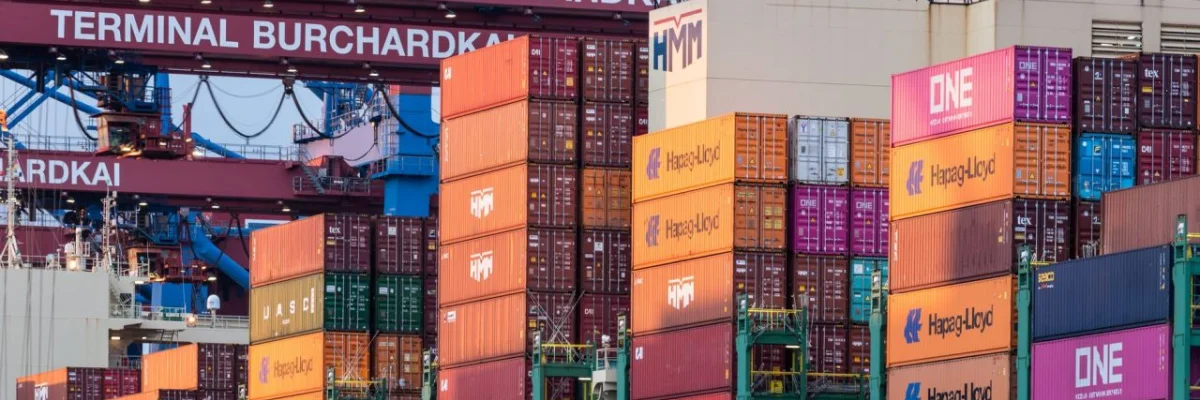
Modern freight forwarding requires a delicate balance between rapid execution and meticulous documentation management. As global supply chains face increasing volatility, professionals must move beyond manual spreadsheets to embrace digital integration. Shifting towards cloud-based automation allows teams to synchronize workflows, minimize human error, and provide real-time visibility to clients who demand instant updates. By leveraging centralized software platforms, forwarders can reclaim lost hours and focus on strategic growth. Embracing these technological shifts is no longer optional for firms aiming to maintain a competitive advantage in an evolving market where speed and reliability are the primary benchmarks for long-term operational excellence.
Digitizing Documentation Workflows

Digital documentation transforms the way teams process complex trade filings by replacing paper trails with unified electronic records. This shift reduces the risk of misplacement and ensures that every stakeholder accesses the most current version of critical shipping documents instantly.
- Automated Data Entry: Implement intelligent character recognition tools to extract data from bills of lading automatically, which significantly reduces manual typing errors and speeds up overall cargo processing times.
- Centralized Cloud Storage: Maintain a single source of truth by storing all shipping manifests and invoices in a secure, accessible cloud environment that supports remote collaboration for global teams.
- Version Control Systems: Use automated version tracking to ensure that every amendment to shipping documents is logged accurately, preventing costly disputes between carriers and shippers during the audit process.
- Compliance Monitoring Tools: Integrate regulatory compliance software to automatically validate documentation against international trade laws, ensuring that all submissions meet legal requirements before they reach customs officials at borders.
- Secure Digital Signatures: Facilitate rapid document approval by using encrypted digital signature solutions that allow partners and clients to sign paperwork from any location, eliminating physical mail delays entirely.
Adopting these digital workflows effectively transforms how forwarders handle administrative burdens. By removing the friction associated with manual document handling, companies can process shipments faster and with greater confidence. Employees spend less time correcting minor clerical errors and more time solving high-value logistical problems. This proactive approach to data management strengthens professional relationships while simultaneously positioning your agency as a reliable partner in the global market.
Enhancing Shipment Real-Time Visibility
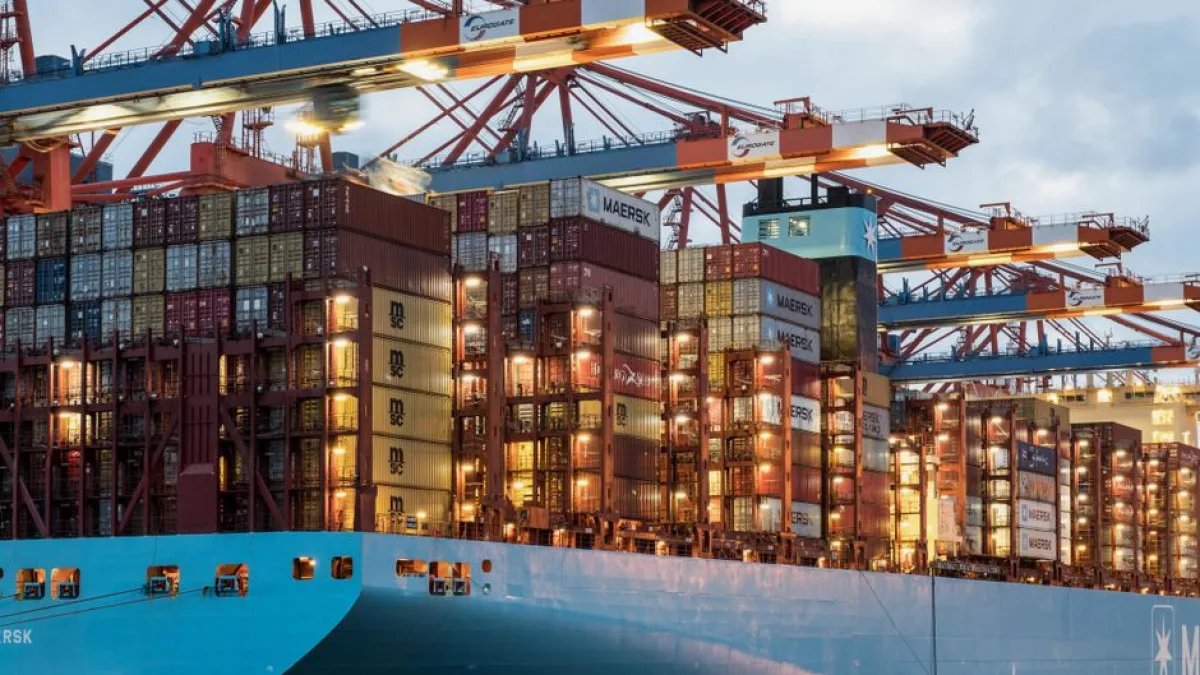
Providing clients with accurate shipment status updates is essential for maintaining trust in a fast-paced environment. Integrated tracking systems connect various data points from carriers to give stakeholders a clear, map-based view of their cargo throughout its journey.
- Live Tracking APIs: Connect your software directly to carrier systems to pull real-time movement data, which eliminates the need for manual check-ins via email or phone calls daily.
- Automated Milestone Alerts: Configure your platform to trigger automatic notifications whenever a shipment reaches a major transit point, keeping your clients informed without additional effort from your staff.
- Predictive Arrival Forecasting: Utilize historical carrier data and machine learning to estimate arrival times more accurately, allowing your customers to plan their warehouse labor and inventory schedules effectively.
- Exception Management Notifications: Receive immediate alerts when shipments are delayed or rerouted, enabling your team to provide proactive solutions to customers before they even notice a potential transit issue.
- Interactive Client Portals: Offer a branded web interface where customers can log in to view their specific shipment progress, which reduces incoming inquiries and enhances the professional experience.
Visibility serves as the backbone of modern freight forwarding services. When customers can see exactly where their cargo is located, they experience significantly reduced anxiety regarding their supply chain reliability. Building these transparent systems creates long-term loyalty that persists through market fluctuations. Consistently delivering precise information allows your operations team to manage expectations better and focus their energy on mitigating actual logistical disruptions.
Streamlining Carrier Communication Channels

Communication breakdowns often stem from fragmented messaging across different platforms like email, chat apps, and phone calls. Standardizing these interactions within a dedicated freight software ecosystem prevents information silos and ensures that everyone is working from the same context.
- Unified Messaging Hubs: Consolidate all communications related to a specific shipment within the platform, which ensures that history remains intact and easily searchable for every team member involved.
- Internal Task Assignment: Delegate communication tasks to specific team members within the project interface to ensure that no inquiry from a carrier or agent goes unanswered or ignored.
- Standardized Response Templates: Utilize pre-built templates for common shipping updates to ensure that professional tone and necessary information remain consistent across every interaction with your global carrier partners.
- Real-Time Chat Features: Replace lengthy email threads with instant messaging capabilities for internal teams, allowing for quick problem solving and coordination without switching between multiple software applications during work.
- Partner Portal Access: Grant carriers secure access to specific shipments, enabling them to upload documents or updates directly to your system and reducing your administrative email volume daily.
Effective communication is the lubricant that keeps the complex machinery of freight forwarding moving smoothly. When interactions are centralized, the risk of losing vital information drops significantly. This approach fosters a culture of accountability and precision across the organization. By providing clear channels for dialogue, you ensure that external partners stay aligned with your internal operational standards, which ultimately results in higher success rates.
Managing Customs and Financial Compliance

Financial reconciliation and customs compliance are the most sensitive parts of freight operations. Automated systems help track costs, manage currency fluctuations, and ensure that all financial transactions align with legal requirements, protecting the agency from audits and costly penalties.
- Automated Invoice Auditing: Cross-reference carrier invoices against initial quotes automatically to identify discrepancies instantly, which prevents overcharging and simplifies the final billing process for your valued clients.
- Dynamic Currency Conversion: Integrate real-time financial data to manage shipments involving multiple currencies, which helps in maintaining accurate profit margins despite the volatility of global foreign exchange markets.
- Customs Duty Calculations: Use integrated tariff databases to estimate duties and taxes precisely, helping your clients understand their total landed costs early in the shipping process for better planning.
- Secure Audit Trails: Maintain an immutable record of every financial transaction and customs entry within your software, ensuring that your business is prepared for thorough regulatory inspections.
- Tax Compliance Reporting: Generate automated reports that meet local tax authority standards, which reduces the time spent on preparing financial disclosures during the end of every fiscal quarter.
Mastering the financial aspect of freight operations is vital for sustainable growth. When software handles the heavy lifting of auditing and compliance, your team is free to focus on strategic client acquisition. Ensuring that every penny is accounted for builds a reputation for financial integrity in the marketplace. This professional diligence is exactly what high-end clients look for when choosing their logistics partner.
Conclusion

The future of freight forwarding depends entirely on the adoption of agile, integrated digital solutions. By focusing on documentation efficiency, visibility, communication, and financial compliance, forwarders can rise above standard market competitors. Start evaluating your current operational workflows today to identify where software can eliminate manual effort. Building a resilient foundation through technology will ensure that your business remains profitable and highly responsive.