Optimizing Freight Operations for Modern Logistics Success
Monday, August 17 2026
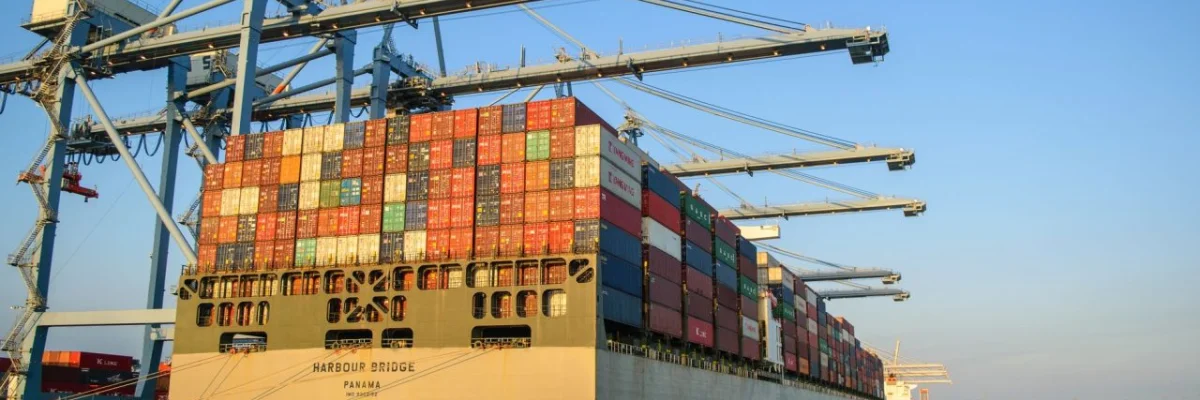
The global supply chain landscape is evolving at an unprecedented pace, placing significant pressure on freight forwarders to enhance their operational efficiency. Manual processes and siloed communication channels often hinder growth, leading to costly errors and delayed shipments. As market volatility becomes the new normal, forwarders must adopt scalable strategies that prioritize digital transformation and client transparency. By leveraging modern cloud-based software, businesses can bridge the gap between complex logistics requirements and seamless service delivery. This guide explores actionable best practices designed to help you stay ahead of the competition while delivering exceptional value to your global network of shipping partners.
Digital Workflow Automation

Transitioning from manual data entry to automated digital workflows significantly reduces human error and speeds up administrative tasks. Automation ensures that documentation flows seamlessly across your organization, allowing teams to focus on high-value logistics challenges rather than repetitive manual input.
- Eliminate manual entry: Implementing automated data capture tools removes the need for typing shipment details repeatedly, which minimizes expensive typos and accelerates the entire booking process for your staff.
- Streamline document management: Cloud platforms centralize all essential shipping documents, ensuring that every stakeholder accesses the most current files instantly without searching through endless email chains or outdated folders.
- Automate status updates: Real-time notification systems automatically inform clients about shipment progress, which reduces the volume of repetitive status requests handled by your busy customer support team daily.
- Standardize complex workflows: Creating digital templates for recurring shipments ensures consistent service quality across all branches, making it easier to scale your operations without sacrificing your established quality standards.
Adopting automation is no longer a luxury for freight forwarders but a fundamental requirement for survival in a competitive market. By removing manual bottlenecks, your team gains valuable time to focus on strategic growth and relationship building. Investing in these digital tools creates a foundation for long-term scalability, ensuring that your organization remains agile and responsive to the needs of modern global trade partners.
Real-time Shipment Visibility

Providing customers with transparent and accurate visibility into their cargo movement is a powerful differentiator in today's market. Real-time tracking capabilities empower shippers to make informed decisions based on live data, which builds trust and strengthens your long-term business partnerships.
- Enhance client trust: Offering a customer portal with live tracking details allows shippers to monitor their freight movement independently, which increases their confidence in your freight forwarding services.
- Proactive issue resolution: Early access to delay information enables you to communicate issues to clients immediately, allowing for collaborative problem solving before a minor hiccup becomes a disaster.
- Data driven decisions: Accessing granular shipment data allows your team to identify recurring bottlenecks in specific trade lanes, helping you optimize carrier choices for better overall performance.
- Unified platform access: Integrating carrier tracking APIs directly into your software provides a single source of truth, eliminating the need for staff to visit multiple external websites daily.
Visibility serves as the backbone of high-quality service, transforming how your clients perceive your operational capabilities. When you provide clear, actionable insights into every stage of the transit process, you move from being a simple service provider to a trusted strategic partner. Investing in robust tracking tools is an essential step toward achieving excellence and maintaining a reputation for reliability in logistics.
Strategic Carrier Management

Building strong, reliable relationships with your network of carriers is vital for maintaining consistent service levels during market fluctuations. Effective carrier management involves balancing cost efficiency with service reliability, ensuring that your clients receive high-quality support regardless of the current global shipping conditions.
- Evaluate performance metrics: Regularly reviewing carrier scorecards helps identify top performing partners, allowing you to prioritize those who consistently meet delivery schedules and maintain high quality communication standards.
- Diverse carrier networks: Maintaining a broad range of carrier options provides necessary flexibility, ensuring you can quickly shift volume when specific routes face unexpected capacity or equipment shortages.
- Negotiate contract terms: Using your historical shipment data during negotiations helps you secure better rates and prioritize space during peak shipping seasons, improving your overall margin.
- Clear communication channels: Establishing dedicated points of contact with your carrier representatives prevents confusion during urgent shipments, ensuring that you receive rapid assistance when critical issues arise suddenly.
Strong carrier relationships are the key to successfully navigating the ups and downs of the freight industry. By treating carriers as valued partners rather than simple vendors, you secure priority access and better support during challenging times. Focus your efforts on developing a balanced and responsive network that supports your long-term goals while ensuring that every shipment reaches its destination as planned.
Data Security and Compliance

As freight forwarding operations become increasingly digitized, protecting sensitive shipment data and ensuring regulatory compliance must remain a top priority. Cyber threats are a growing risk to global logistics providers, making it essential to implement robust security measures to safeguard your business assets and your clients private information.
- Prioritize data encryption: Using advanced encryption methods for all stored and transmitted shipping information ensures that client data remains protected from unauthorized access or potential cyber security threats.
- Regular security audits: Conducting frequent internal audits of your digital infrastructure helps identify potential vulnerabilities before they are exploited, keeping your logistics operations safe and highly compliant today.
- Manage user access: Assigning specific permissions based on employee roles prevents unnecessary exposure of sensitive data, limiting potential risks associated with internal accidents or unauthorized account use cases.
- Regulatory compliance training: Providing regular training for all employees on industry regulations ensures that your business stays compliant with international trade laws and data protection standard requirements.
Prioritizing security safeguards the long-term viability of your freight forwarding business. As you integrate more digital tools into your daily operations, remember that building a culture of security is just as important as the software you install. Protecting client data preserves your reputation and demonstrates professional integrity. Focus on these security best practices to build a resilient and trusted logistics enterprise.
Conclusion
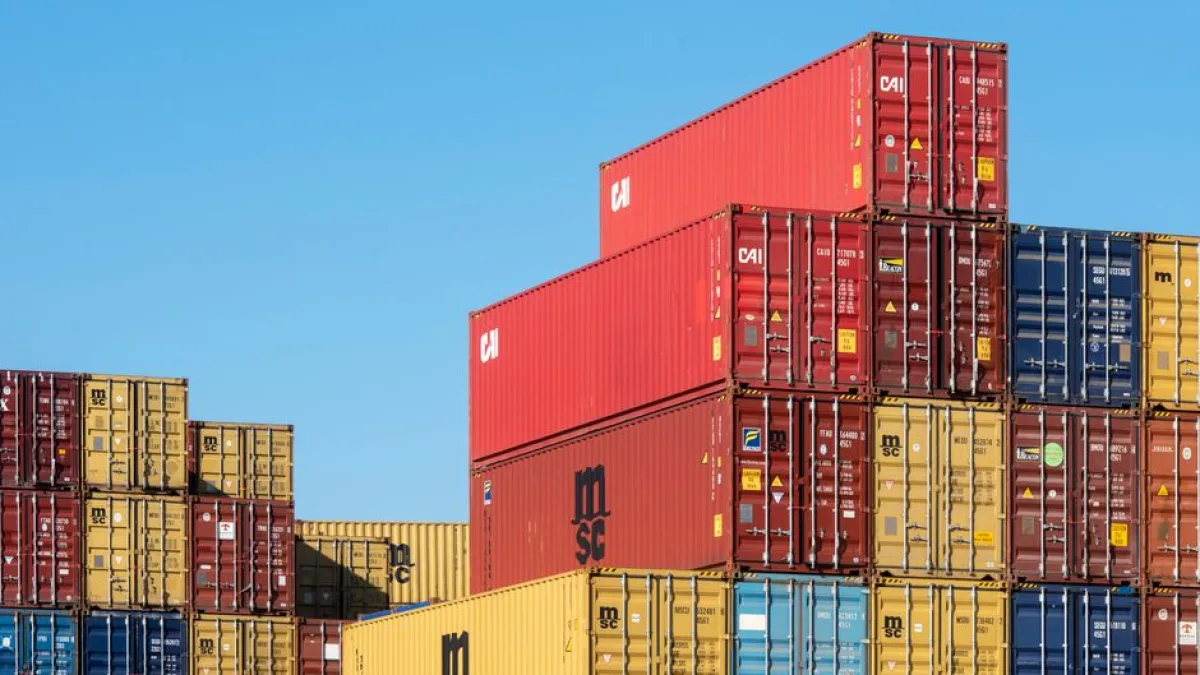
Mastering freight forwarding requires a commitment to digital excellence, operational transparency, and strong professional relationships. By automating manual tasks, enhancing shipment visibility, managing carrier partners effectively, and maintaining rigorous security standards, you create a robust foundation for success. Embrace these best practices to streamline your workflow and drive long-term growth. Start transforming your logistics operations today to stay ahead in this evolving global market.