Optimizing Freight Operations for Modern Logistics Success
Wednesday, August 19 2026
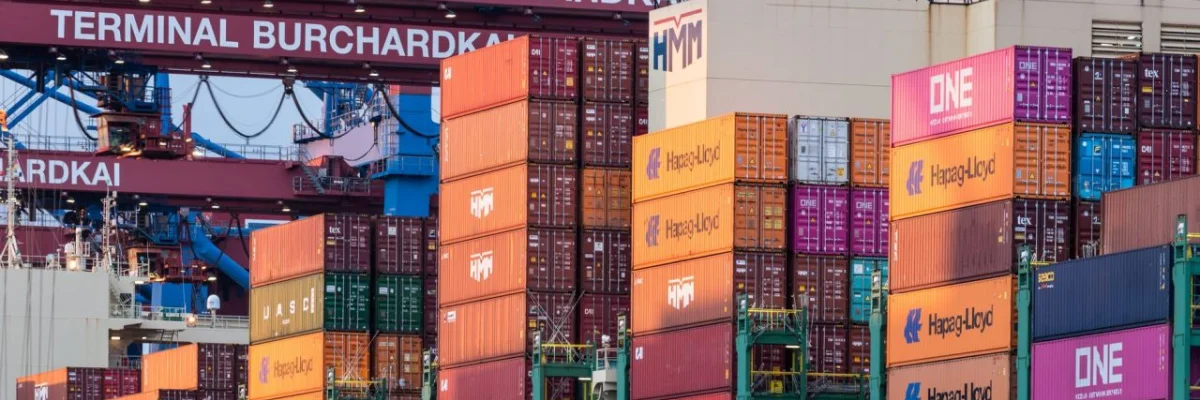
The global supply chain landscape evolves at an unprecedented pace, demanding that freight forwarders adopt smarter strategies to maintain their competitive edge. Efficiency is no longer just about moving cargo from point A to point B. It is about leveraging advanced technology to gain visibility, reduce operational overhead, and enhance the overall customer experience. By transitioning from manual processes to integrated digital solutions, logistics providers can navigate complex regulatory environments and unpredictable market fluctuations with greater agility. This guide outlines actionable strategies to help your firm streamline workflows and deliver superior service in an increasingly demanding digital freight ecosystem.
Digital Transformation Strategies

Modern freight forwarding relies heavily on the seamless integration of digital tools to manage complex workflows efficiently. By adopting cloud-based platforms, teams can eliminate data silos and ensure that every stakeholder has access to real time information whenever necessary for business.
- Centralized data management: Consolidating your shipment records into one unified cloud platform prevents information loss and allows team members to access critical documentation from any location globally without delays.
- Automated routine tasks: Implementing software to handle repetitive data entry and document generation saves hundreds of hours annually, allowing your staff to focus on high-value client relationship management.
- Real time connectivity: Establishing direct digital links with carriers and customs authorities minimizes human error during transmission, significantly reducing the likelihood of costly administrative mistakes or shipment processing delays.
- Cloud based security: Protecting sensitive logistics data with enterprise grade cloud encryption ensures that client information remains safe while maintaining compliance with international data protection standards and regulations.
Adopting a digital first mindset empowers your team to work smarter rather than harder by removing unnecessary barriers to productivity. While initial setup requires time and focus, the long term benefits of improved accuracy and faster processing times are undeniable. Companies that invest in technology today position themselves to handle larger volumes of cargo without needing to increase their overall administrative headcount exponentially.
Optimizing Shipment Visibility
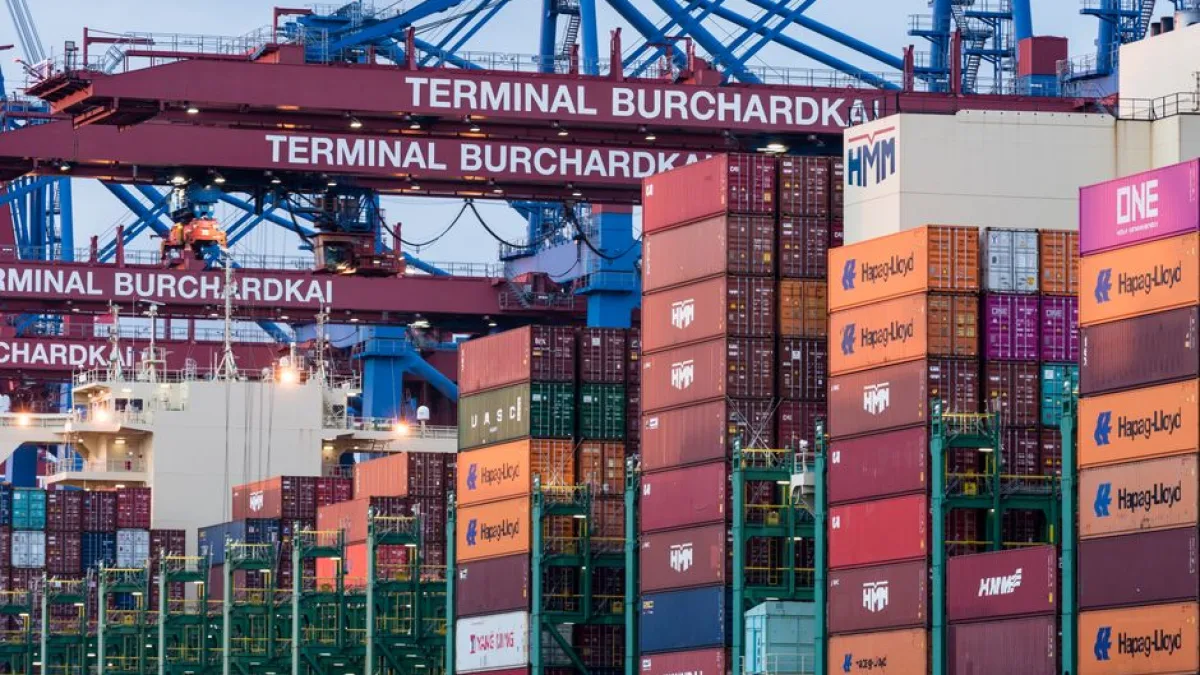
True visibility provides clients with granular updates on their goods as they move through the supply chain. Providing consistent, accurate information builds lasting trust and distinguishes your forwarder services from competitors who still rely on fragmented, manual status reporting.
- Automated status tracking: Integrating automated notification systems ensures that customers receive instant updates on their shipment status, reducing the volume of inbound inquiries sent to your support staff.
- Predictive delay alerts: Utilizing advanced analytics tools helps your team anticipate potential transit disruptions, allowing you to proactively offer solutions before the client even realizes a problem exists.
- Interactive client portals: Giving customers access to a self service dashboard empowers them to check document status or track shipments at their own convenience around the clock.
- Geographic tracking tools: Employing advanced GPS tracking systems enables precise monitoring of cargo locations across road, air, and sea, ensuring complete oversight of every single shipment mile.
Transparency is the foundation of every strong partnership within the logistics sector today. By providing your clients with a clear view of their cargo progress, you minimize uncertainty and create a more predictable shipping environment. This proactive communication style transforms your business from a mere service provider into a strategic partner that adds measurable value to their overall supply chain network.
Enhancing Customs Compliance

Managing customs documentation requires absolute precision to avoid fines and costly delays at the border. Streamlined compliance workflows protect your firm from legal risks while ensuring that shipments move through international borders with minimal friction or unexpected administrative obstacles.
- Automated compliance checks: Utilizing digital platforms that automatically verify customs forms against current regulations prevents common filing errors that frequently result in rejected declarations or heavy administrative fines.
- Centralized document vault: Keeping all customs declarations, invoices, and certificates in a secure, organized digital repository simplifies the audit process during unexpected checks from government authorities.
- Regular regulatory training: Scheduling ongoing education sessions for your staff ensures that your team stays updated on shifting international trade laws and specific requirements for each market.
- Standardized entry templates: Creating reusable templates for common shipping routes speeds up the documentation process, ensuring consistency and accuracy across every single customs declaration file submitted daily.
Mastering the complexities of international trade regulations requires a combination of human expertise and automated support. By reducing the margin for error in your customs process, you ensure that cargo flows smoothly across borders without interruption. This focus on regulatory excellence not only protects your bottom line but also enhances your reputation as a reliable and knowledgeable logistics provider globally.
Strategic Vendor Partnerships

Building strong relationships with your carriers and local agents is vital for maintaining service quality during peak seasons. Strategic partnerships provide the flexibility needed to scale your operations and solve unexpected logistical challenges through collaborative communication and trust.
- Standardized communication protocols: Establishing clear guidelines for how information is shared between partners reduces confusion and ensures that everyone follows the same procedures for every shipment handled.
- Shared performance metrics: Regularly reviewing key performance indicators with your vendors identifies areas for improvement, ensuring that service levels remain consistently high across all your operational channels.
- Flexible capacity planning: Keeping open lines of communication with your carrier network helps you secure necessary space during high demand periods, ensuring your clients shipments always move.
- Collaborative problem solving: Fostering a culture where vendors are viewed as allies encourages proactive communication when issues arise, leading to faster resolutions that keep your clients fully satisfied.
Success in logistics relies on the strength of the entire network rather than just individual efforts. By cultivating deeper connections with reliable partners, you create a safety net that protects your operations when global events threaten supply chain stability. Strong relationships translate into better service rates and improved responsiveness, ultimately benefiting your business and your customers in the long run today.
Conclusion
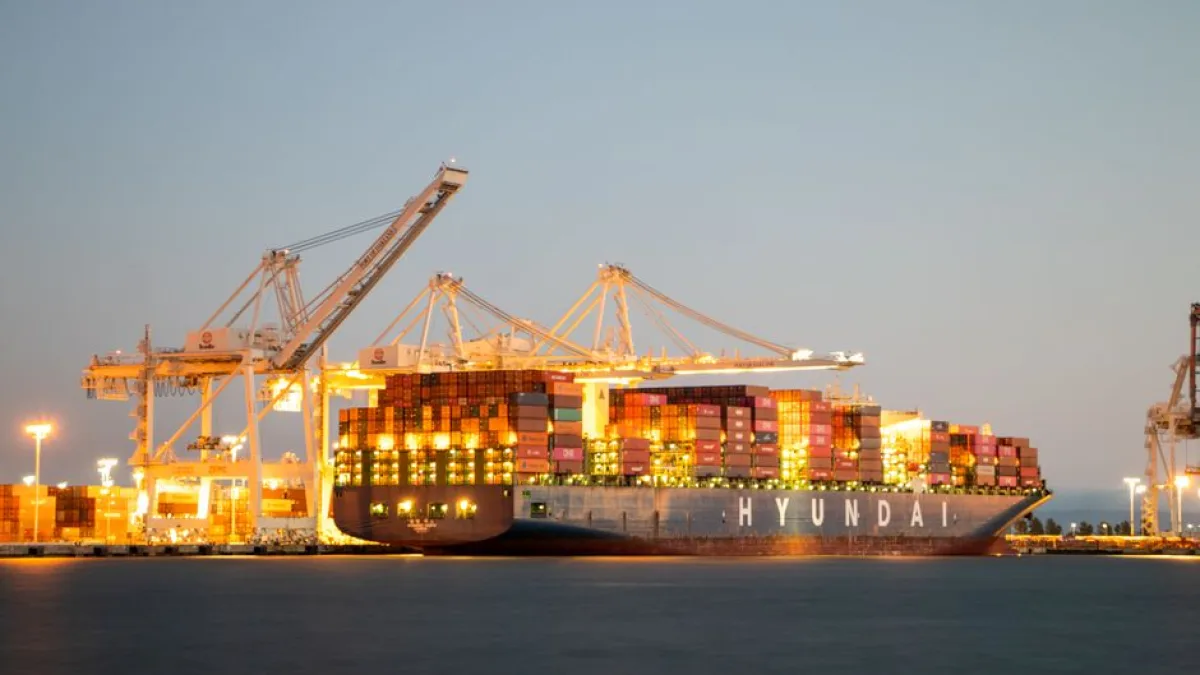
Achieving excellence in freight forwarding requires a commitment to both technological innovation and strong operational practices. By prioritizing visibility, compliance, and partnership management, your firm can navigate the complexities of modern logistics with confidence. Start streamlining your operations today by evaluating your current software stack and identifying areas where digital automation can save time. Success in this industry belongs to those who adapt and grow.