Optimizing Freight Operations for Modern Logistics Success
Friday, August 21 2026
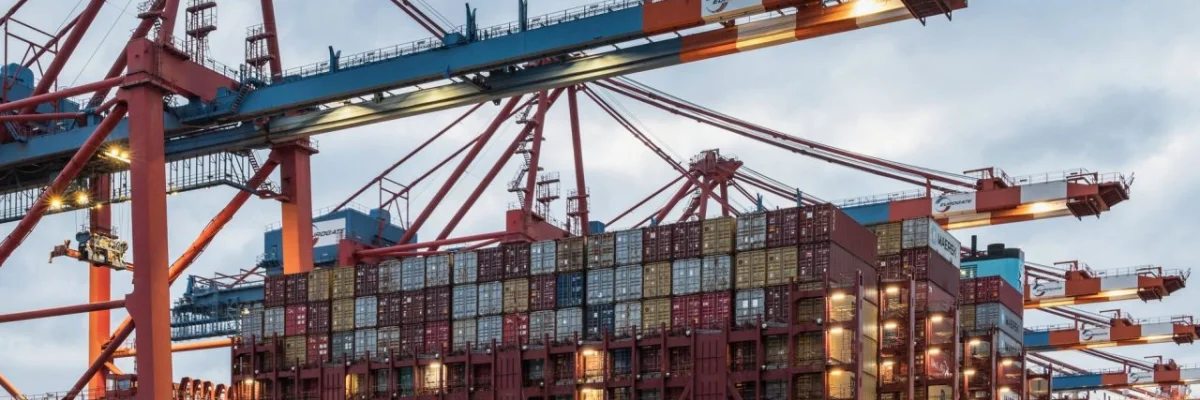
Modern freight forwarding requires a delicate balance between complex logistical coordination and rapid technological adaptation. As global supply chains face increasing volatility, professionals must move beyond manual workflows to maintain profitability and service standards. Cloud-based platforms offer the agility needed to manage documentation, carrier relationships, and customer expectations in real time. By integrating automated tools into daily operations, forwarders can eliminate bottlenecks, reduce human error, and unlock new levels of transparency. Adopting a digital-first mindset is no longer optional for businesses aiming to scale effectively and provide superior value to their international clients in an increasingly competitive shipping market.
Streamlining Documentation Workflows

The manual handling of bills of lading and commercial invoices often leads to significant operational delays. Transitioning to automated digital document management allows teams to centralize data, ensuring that compliance requirements are met while significantly reducing the administrative burden on your staff.
- Centralized document storage: Keeping all shipment files in a secure cloud repository ensures that your team can access critical information instantly from anywhere in the world without searching physical folders.
- Automated data entry: Intelligent software solutions extract text from documents automatically to minimize typing mistakes and ensure that your database remains accurate throughout the entire lifecycle of shipping.
- Compliance tracking tools: Real time alerts for regulatory changes help your team stay ahead of international customs requirements and avoid costly fines associated with incomplete or incorrect paperwork submissions.
- Electronic signature integration: Implementing digital signing protocols allows for faster turnaround times on contracts and shipping documents while maintaining high levels of security and legal validity for every transaction.
By digitizing your core documentation processes, you transform a traditionally slow task into a rapid competitive advantage. This shift frees your team to focus on high-value client interactions rather than repetitive clerical duties. As your operations become more streamlined, you will notice a drastic reduction in processing time, which ultimately improves your cash flow and enhances the overall reliability of your freight forwarding services.
Enhancing Real Time Tracking
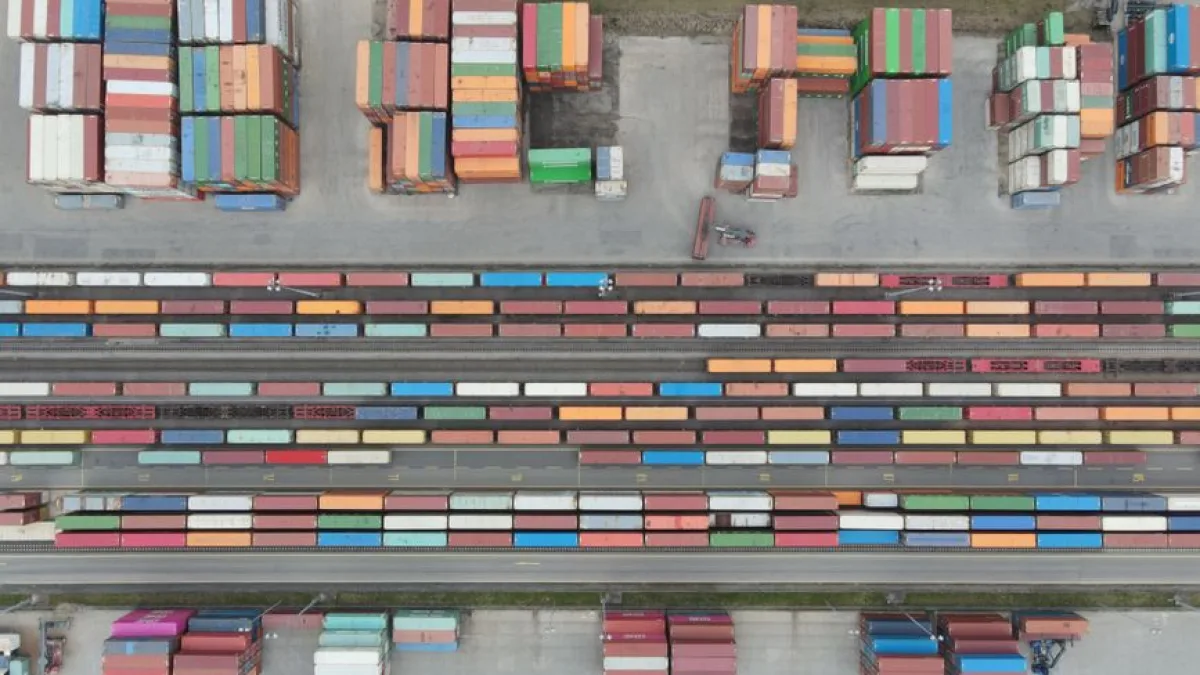
Customers today demand full visibility into their supply chains, making live tracking capabilities essential for every forwarder. Providing accurate status updates builds trust and allows for proactive problem solving whenever unexpected transit delays occur during international ocean or air shipments.
- Live GPS updates: Integrating satellite tracking data into your dashboard provides clients with exact vessel locations and movement reports to increase transparency during long distance international transit cycles.
- Milestone notification systems: Automated email and SMS alerts keep stakeholders informed about every key event, such as port arrival or customs clearance, without requiring constant manual status inquiries.
- Proactive delay alerts: Software features that predict potential bottlenecks allow your team to inform customers of delays before they happen, demonstrating professional competence and dedicated account management skills.
- Client portal access: Offering a dedicated web portal allows customers to view shipment history and current status on their own schedule, reducing the volume of routine status calls.
Investing in superior tracking technology differentiates your brand in a crowded market where speed and transparency are highly valued commodities. By keeping your clients informed automatically, you strengthen long-term partnerships and reduce the operational strain of responding to repetitive status requests. Consistent visibility becomes the foundation of your reputation, ensuring that clients feel secure and supported regardless of global shipping conditions.
Managing Carrier Relationships

Strong partnerships with reliable ocean and air carriers are the backbone of any successful freight operation. Using software to track carrier performance ensures that you can always select the best routes and rates, optimizing both time and budget for your customers.
- Performance analytics dashboards: Monitoring carrier transit times and reliability through historical data helps you make informed decisions when selecting partners for critical shipments or urgent delivery routes.
- Automated rate comparisons: Quickly pulling current market quotes from multiple carriers allows your team to find the most cost effective shipping options available for every specific logistical request.
- Communication management hubs: Keeping all correspondence with carrier representatives inside a single platform prevents critical details from getting lost in individual email threads or disconnected mobile chat messages.
- Digital contract tracking: Managing your service level agreements through a unified interface ensures that you never miss renewal dates or fail to utilize agreed upon volume discounts.
Effective management of your carrier network is about more than just finding the cheapest price. It involves fostering relationships that yield priority service and flexibility when capacity becomes tight. By utilizing data-driven insights to guide your carrier selections, you position your firm as a strategic partner capable of delivering consistent results even when external market pressures threaten to disrupt traditional logistical lanes.
Leveraging Advanced Data Analytics

Data is the most powerful tool available to freight forwarders seeking to improve their margins and operational efficiency. Analyzing shipment trends allows businesses to identify hidden costs and refine their pricing strategies based on actual historical performance and market demand fluctuations.
- Margin analysis reports: Tracking profitability per shipment enables your management team to identify which routes or customer segments provide the highest return on investment for the firm.
- Capacity forecasting tools: Using predictive analytics to anticipate seasonal shifts in freight volume helps your team prepare for busy periods and secure necessary space well in advance.
- Operational cost tracking: Identifying where expenses accumulate during the shipping process allows you to trim waste and refine your internal processes for better long term profitability margins.
- Client trend identification: Monitoring your customer shipping patterns helps you tailor your service offerings to meet their specific needs and grow account value over the coming years.
Data analytics shifts your operation from reactive to proactive management. By understanding the granular details of your shipping performance, you gain the ability to make strategic pivots that protect your bottom line. As you continue to refine your use of these metrics, your decision making process becomes faster and more accurate, ensuring that your freight forwarding business remains resilient in a dynamic environment.
Conclusion
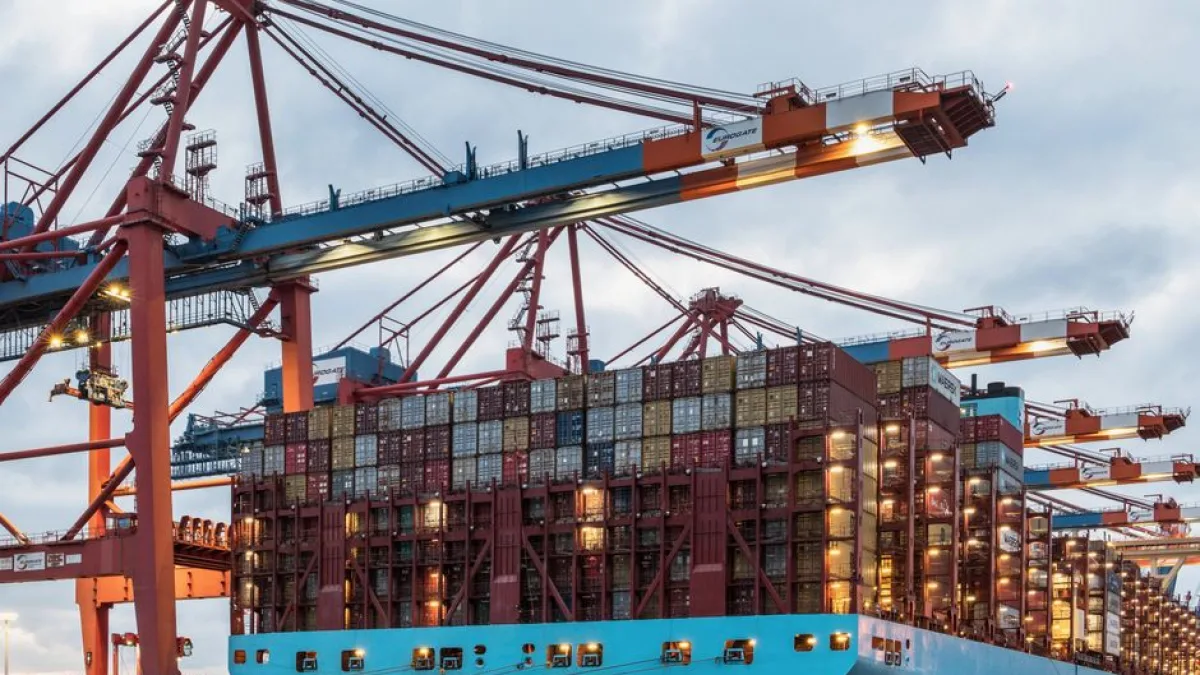
Mastering freight operations in the digital age requires a commitment to continuous improvement and the strategic use of modern technology. By streamlining documentation, enhancing visibility, strengthening carrier relations, and leveraging data, forwarders can achieve sustained growth. Transitioning your operations to a cloud-based model ensures your business remains scalable, efficient, and ready to meet the evolving demands of the global logistics industry with confidence.