Optimizing Freight Operations for Modern Logistics Success
Thursday, August 27 2026

The global supply chain landscape evolves rapidly, placing immense pressure on freight forwarders to balance speed, cost, and accuracy. As competitive margins tighten, relying on manual processes and legacy systems often leads to operational bottlenecks and reduced profit levels. Adopting cloud-based platforms provides the necessary visibility to navigate these complex logistical hurdles with confidence and precision. By integrating smart technology into daily workflows, forwarders can enhance collaboration across departments and improve service quality for their clients. Mastering these operational shifts is no longer a luxury but a fundamental necessity for firms aiming to maintain long-term scalability and relevance in an increasingly digital industry.
Digitizing Operational Documentation

Transitioning from paper-heavy workflows to digital systems significantly reduces administrative overhead while increasing data accuracy. By centralizing documentation in a cloud platform, your team can access critical shipment details instantly without wasting time searching through cluttered filing cabinets or disjointed email threads.
- Centralized document storage: Maintain all your bills of lading and commercial invoices in one secure cloud repository to ensure your team retrieves essential paperwork in seconds rather than hours.
- Automated data extraction: Utilize optical character recognition tools to automatically pull information from scanned files directly into your shipping software to minimize repetitive manual data entry errors.
- Real-time status updates: Provide stakeholders with instantaneous access to shipment milestones and electronic documentation to foster transparency and build stronger trust with your diverse international client base.
- Version control systems: Implement strict tracking protocols for document revisions to ensure every team member works with the most accurate version of the shipment file at all times.
Digital transformation serves as the backbone for a high-performing logistics organization. By removing the reliance on physical paper, your office reduces the risk of lost documents and costly administrative errors. This shift creates a streamlined environment where staff can focus on high-value tasks, ultimately driving higher productivity and ensuring that every shipment proceeds smoothly through complex customs and regulatory checkpoints without unnecessary delay.
Enhancing Real-time Shipment Visibility
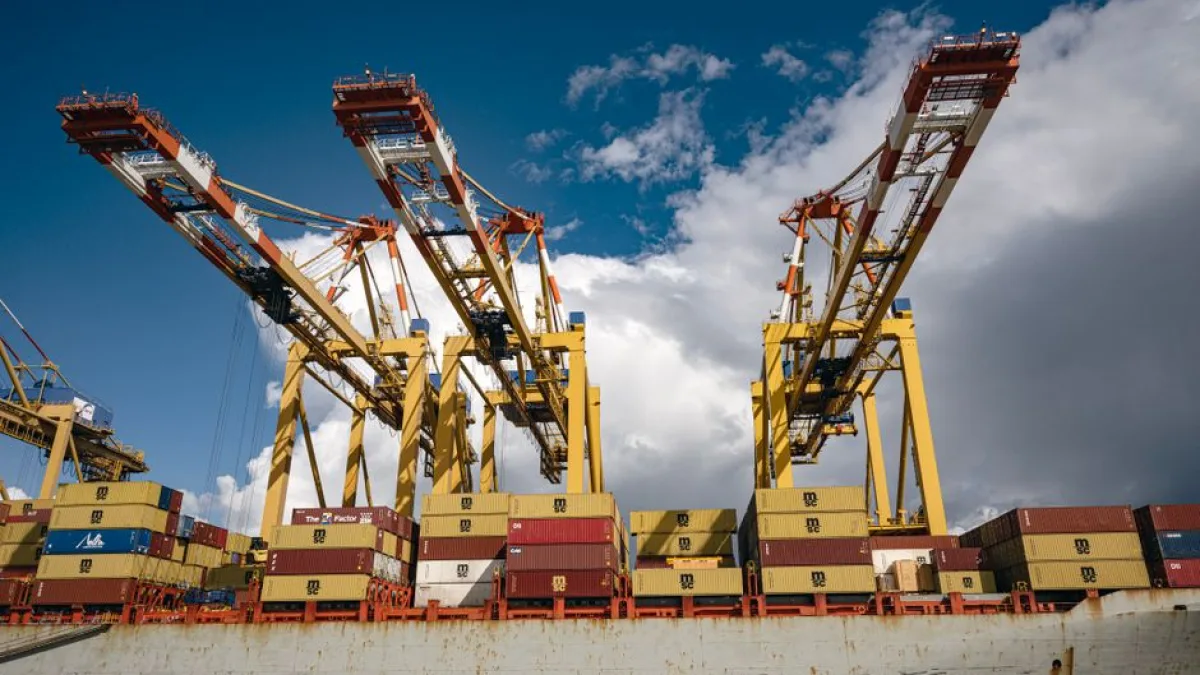
True visibility requires live tracking data that spans across various transport modes and geographic boundaries. Providing clients with proactive updates regarding their cargo status helps manage expectations while allowing you to address potential transit delays before they escalate into major customer service issues.
- Integrated tracking modules: Connect your platform directly with carrier APIs to receive live updates on vessel locations, port arrivals, and status changes for every single shipment handled.
- Proactive anomaly alerts: Configure automated notifications to warn your operations team when specific shipments deviate from their planned schedule, allowing for swift corrective action and planning.
- Client portal access: Offer your customers a dedicated login area where they can monitor their own cargo movements, reducing the volume of status inquiries handled daily.
- Detailed event logging: Maintain comprehensive records of every touchpoint along the supply chain to provide detailed reporting and identify recurring points of failure for future optimization.
Modern clients demand instant information regarding their assets, and real-time visibility is the best way to satisfy these expectations. By leveraging technology to monitor shipments closely, you turn raw data into a powerful service advantage. This transparent approach minimizes the frequency of update requests, allowing your support team to focus on resolving genuine exceptions while maintaining high satisfaction scores for your business.
Streamlining Communication Channels

Effective communication between carriers, agents, and clients prevents misunderstandings that cause costly freight delays. Standardizing your internal and external correspondence channels ensures that every party involved understands their responsibilities, reducing the noise often found in cluttered email inboxes and unorganized messaging platforms used daily.
- Unified message logs: Keep all communication related to a specific booking within the shipment record so any team member can pick up the conversation seamlessly when needed.
- Standardized response templates: Use professional, pre-written templates to handle common inquiries about rates or status updates, ensuring brand consistency and saving valuable time for your staff.
- Internal chat functions: Replace fragmented email chains with platform-native messaging to facilitate faster decision-making and better alignment between your sales and operations departments every day.
- Automated client notifications: Set up triggers to send status updates automatically, ensuring stakeholders stay informed without requiring constant manual intervention from your primary account management personnel.
Clear communication reduces the likelihood of shipping errors caused by outdated or missing information. By utilizing a unified platform to manage all project-related dialogues, you create a permanent audit trail of decisions and instructions. This professional structure not only improves efficiency but also provides a safety net, ensuring that no vital detail is overlooked when managing high-stakes shipments or complex international logistics routes.
Leveraging Advanced Data Analytics

Analyzing past shipment performance provides the insights required to forecast future trends and optimize your profit margins. By examining metrics such as carrier performance and route efficiency, your management team can make evidence-based decisions that lower operational costs and improve the reliability of the entire freight forwarding service offering.
- Performance metric tracking: Monitor key indicators like average transit time and carrier reliability to identify which shipping lanes offer the best value for your specific requirements.
- Financial reporting tools: Generate automated reports on profitability per shipment to understand which clients or services generate the highest return on your invested operational effort.
- Predictive trend forecasting: Utilize historical shipment data to anticipate seasonal capacity fluctuations, allowing you to secure competitive rates from carriers well before peak demand periods begin.
- Route optimization insights: Review historical shipping patterns to identify more efficient routing options that can reduce transit times and lower total expenses for your loyal clients.
Data-driven management is essential for any modern freight forwarder aiming for sustainable growth. When you track metrics accurately, you stop guessing and start knowing which strategies generate actual value for your firm. Utilizing analytics to refine your services creates a competitive edge that is difficult for less tech-savvy competitors to replicate, ensuring your business remains profitable and resilient in any market.
Conclusion

Achieving excellence in freight forwarding requires a commitment to both innovative technology and rigorous operational standards. By focusing on digitalization, visibility, communication, and data analysis, you position your firm to handle the complexities of modern logistics with ease. Start implementing these best practices today to streamline your workflows, delight your clients, and secure your place as a leader in the global shipping industry.