Optimizing Freight Operations for Modern Logistics Success
Sunday, August 30 2026
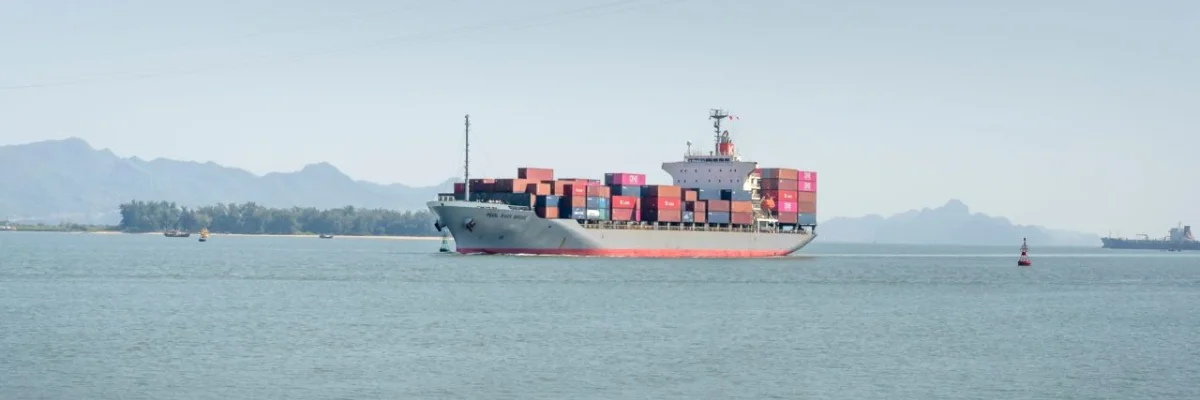
The global supply chain is evolving at an unprecedented rate, forcing freight forwarders to adapt or risk falling behind. Managing complex shipments requires precision, real-time data, and seamless communication across all partners in the logistics network. By embracing cloud-based technologies and refining internal workflows, businesses can transform operational hurdles into competitive advantages. This guide explores the essential best practices that empower forwarding professionals to boost efficiency, enhance client satisfaction, and ensure long-term profitability. Whether you are navigating customs complexities or optimizing multi-modal routes, these strategies provide a solid framework for driving growth and operational excellence in today's fast-paced freight industry environment.
Streamlining Documentation Workflows

Manual paperwork often acts as a bottleneck for freight operations, leading to delays and human errors. Implementing digital solutions allows teams to standardize documentation, reduce repetitive data entry, and maintain a centralized source of truth for all crucial shipping records.
- Automated Data Entry: Utilize software to extract information from documents directly into your system, reducing the time spent on manual input while significantly minimizing the risk of costly typos.
- Centralized Cloud Storage: Maintain all shipping files in a secure, cloud-based repository that allows authorized team members to access vital documents from anywhere at any given time.
- Electronic Signature Integration: Leverage secure digital signing tools to speed up the approval process for bills of lading and commercial invoices, eliminating the need for physical mailing.
- Smart Document Audits: Perform automated checks on incoming documents to ensure all compliance requirements are met before the shipment even reaches the port for final inspection.
By transitioning to a paperless environment, forwarders can reclaim hours previously lost to administrative drudgery. This shift not only accelerates the document cycle but also enhances overall transparency for your clients. When your team spends less time searching for lost files, they can dedicate more energy to strategic problem-solving and customer support, ultimately creating a more responsive and professional shipping service experience.
Leveraging Real-time Cargo Tracking
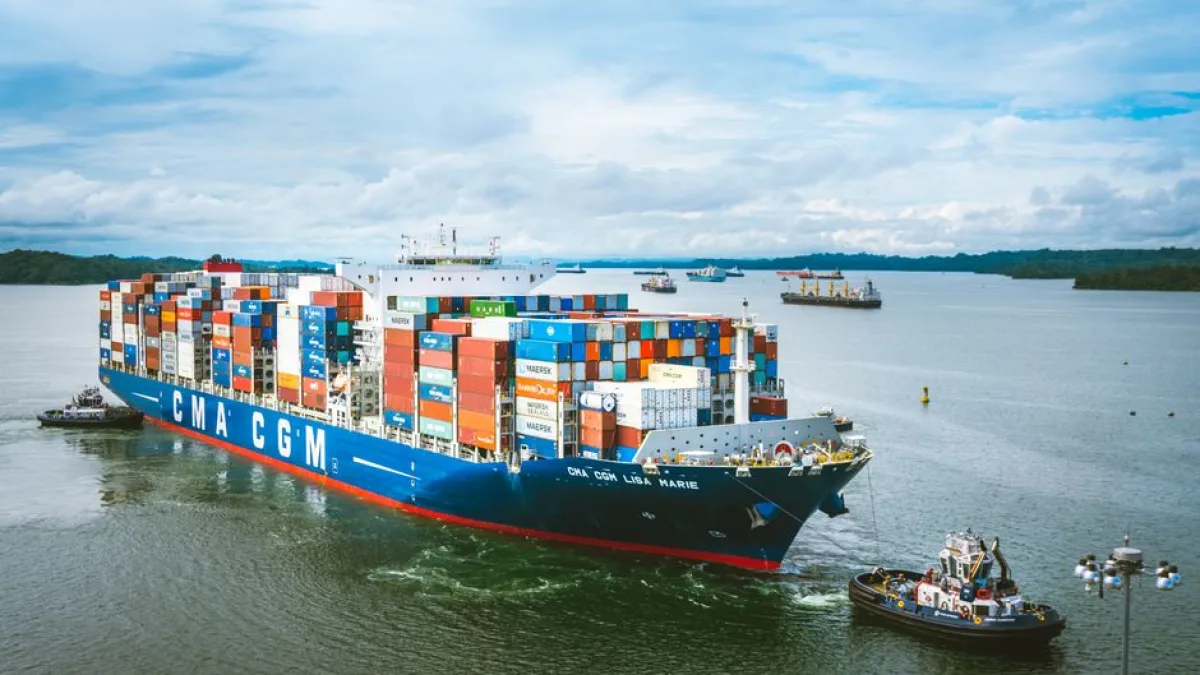
Modern shippers expect instant updates regarding the location and status of their cargo. Utilizing advanced tracking tools provides the visibility required to proactively manage exceptions and keep stakeholders informed throughout the entire lifecycle of their complex logistics shipments.
- Real-time GPS Monitoring: Integrate satellite tracking into your dashboard to monitor vessel or truck movements, providing clients with precise arrival estimates and reducing their inventory holding costs.
- Automated Status Alerts: Set up triggers that automatically notify customers via email or SMS when their cargo hits specific milestones, fostering trust and reducing support ticket volume.
- Predictive Delay Analytics: Use historical data and current transit patterns to identify potential disruptions before they escalate, allowing your team to re-route shipments to safer paths.
- Unified Tracking Dashboard: Provide clients with a secure portal where they can view all their active shipments in one place, effectively lowering their need for status emails.
Visibility serves as the cornerstone of customer retention in the freight industry today. By offering granular, live updates, you position your agency as a transparent and reliable partner. When issues arise, having accurate data allows you to provide solutions quickly rather than reacting to complaints. This proactive stance solidifies your reputation as a forward-thinking provider who values client time and business continuity.
Enhancing Carrier Relationship Management
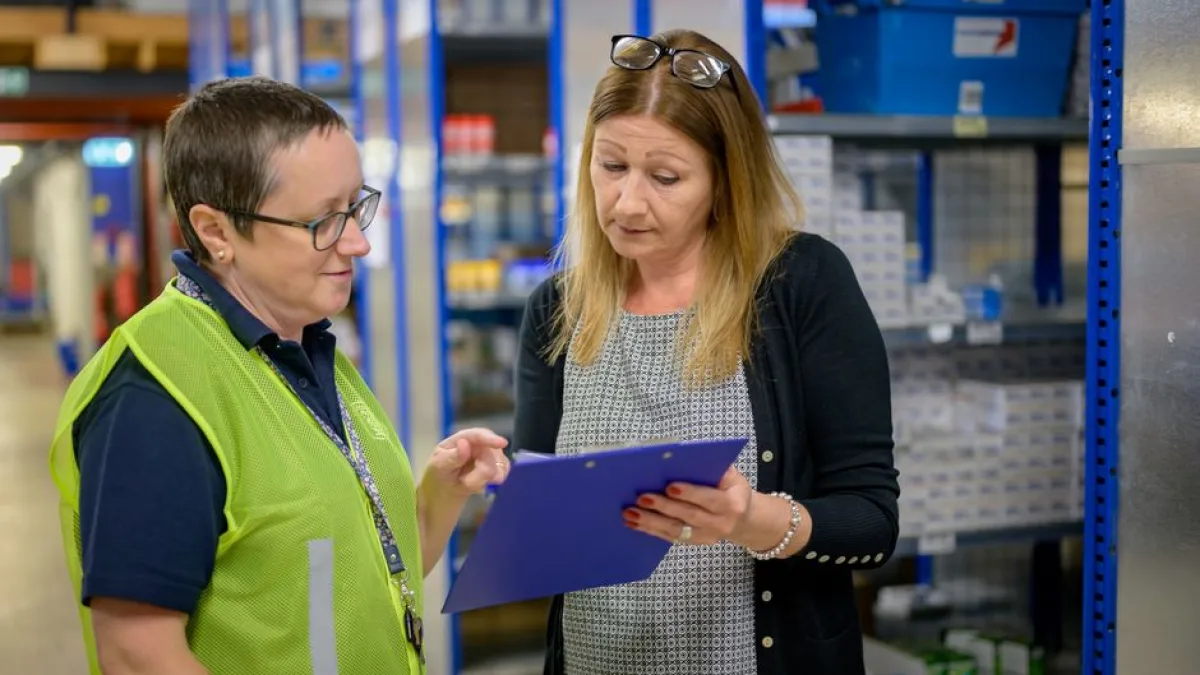
Strong partnerships with carriers and agents are vital for securing space and competitive rates during peak shipping seasons. Building collaborative ties ensures your freight moves smoothly even when capacity becomes tight or global demand suddenly spikes across major corridors.
- Performance Scorecard Tracking: Regularly evaluate carrier performance based on transit times and damage claims to identify which partners provide the most reliable service for your specific needs.
- Regular Communication Cadence: Schedule recurring meetings with key account managers to discuss upcoming volume forecasts and align on service expectations for the next quarter of operations.
- Collaborative Rate Negotiation: Use data-driven insights to negotiate mutually beneficial rate structures that reflect current market conditions while protecting your margins against sudden price volatility spikes.
- Mutual Conflict Resolution: Develop clear protocols for addressing disputes regarding surcharges or service failures to ensure that disagreements do not damage the long-term professional relationship between parties.
Investing time into nurturing carrier relationships pays dividends when market capacity fluctuates. When carriers prioritize your freight over others due to mutual respect and effective planning, you gain a massive strategic advantage. Focus on being a customer of choice by maintaining clear lines of communication and fair business practices. Stronger alliances ultimately lead to more resilient supply chains for your entire client base.
Prioritizing Proactive Exception Management

Delays are an inevitable reality in freight forwarding, but the way you handle them defines your business value. Shifting from a reactive mode to a proactive strategy allows you to solve problems before they impact the final delivery schedule.
- Defined Escalation Paths: Establish clear internal procedures for handling cargo exceptions so that staff members know exactly who to contact when a shipment is suddenly delayed.
- Client Notification Protocols: Communicate bad news to your customers immediately with an included solution, which maintains professionalism even when external factors are outside your direct agency control.
- Root Cause Analysis: Conduct brief reviews after major disruptions to understand why they occurred and adjust your routing or carrier selection to prevent future similar incidents.
- Contingency Planning Templates: Keep pre-approved alternative shipping plans ready for high-value clients to ensure that business continuity is maintained during unexpected natural or labor-related network events.
Managing exceptions effectively distinguishes top-tier freight forwarders from the rest of the pack. When you communicate issues with integrity and offer viable alternatives, you build deep loyalty with your clients. Rather than hiding problems, address them head-on with data and clear options for resolution. This level of maturity in handling challenges demonstrates to your partners that their supply chain is in safe hands.
Conclusion

Mastering the complexities of freight forwarding requires a commitment to digital transformation and relationship building. By optimizing your documentation, leveraging real-time tracking, strengthening carrier ties, and managing exceptions proactively, your business will thrive. Stay focused on continuous improvement and utilize robust cloud software to scale your operations efficiently. Implement these best practices today to deliver exceptional service and stay ahead of the curve.