Optimizing Freight Operations for Modern Logistics Success
Saturday, September 5 2026

The global supply chain is evolving at an unprecedented pace, demanding that freight forwarders move beyond legacy systems to remain competitive. Efficiency is no longer just a goal, but the fundamental requirement for survival in a volatile market where client expectations for transparency and speed are constantly rising. By integrating smart digital solutions, forwarders can eliminate manual bottlenecks, reduce costly human errors, and provide superior service levels that drive long term growth. Mastering these operational shifts requires a blend of technological adoption and strategic process improvement, ensuring your business remains agile while navigating the complexities of modern international trade lanes.
Digital Transformation Strategy

Embracing cloud based platforms allows teams to centralize documentation and communication, ensuring that every stakeholder accesses real time data. This transition replaces fragmented spreadsheets with unified workflows, drastically improving response times and visibility across your entire logistics network.
- Cloud adoption benefits: Moving your operations to the cloud ensures that team members can access critical shipping files from anywhere, fostering better collaboration during complex international freight movements.
- Automating manual data: Reducing manual data entry through smart software integrations prevents repetitive errors and allows your staff to focus on high value tasks like strategic client management.
- Centralized document management: Storing all bills of lading and commercial invoices in one secure location simplifies auditing processes and speeds up clearance times at busy border crossings.
- Real time connectivity: Establishing direct connections with carriers and agents provides your team with instant updates, allowing for proactive problem solving before minor delays become major issues.
Adopting these digital tools empowers your team to operate with significantly higher precision while maintaining a flexible approach to changing market conditions. By removing silos, you ensure that information flows seamlessly between departments and global partners alike. This consistency builds deep trust with clients, who now demand instant access to their shipment status updates without needing to wait for manual email responses or phone calls.
Supply Chain Visibility
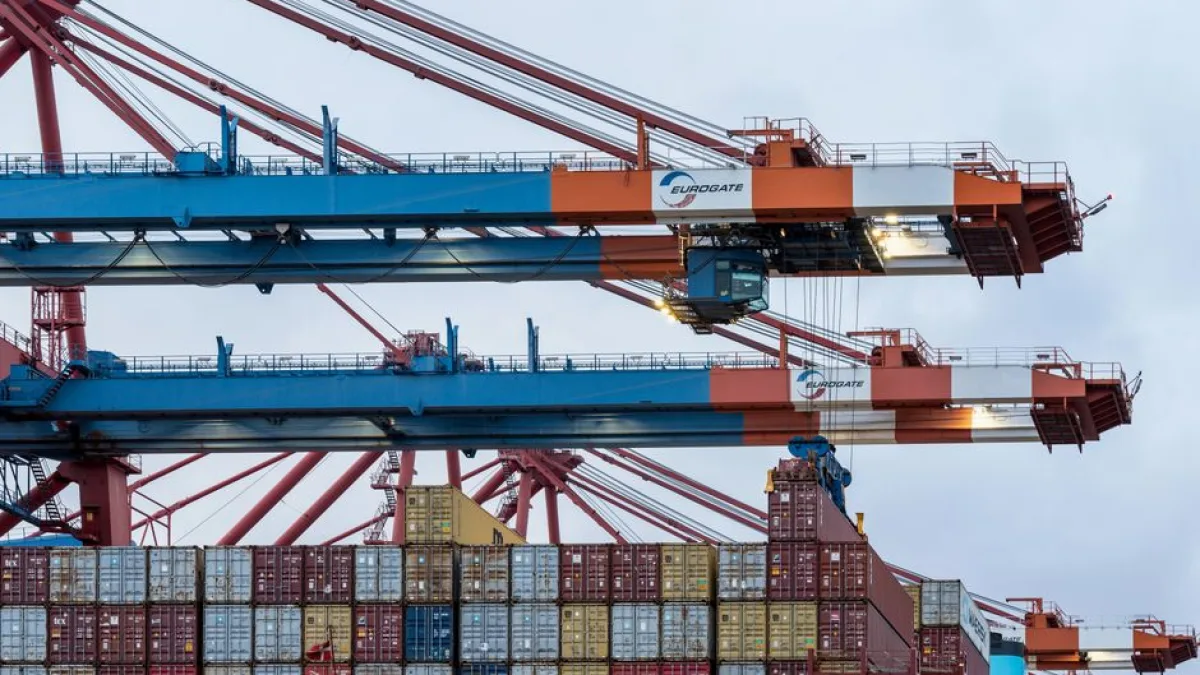
Real time tracking provides the transparency that modern customers expect from their logistics partners. By leveraging integrated tracking solutions, you can turn shipment status updates into a competitive advantage that keeps your clients informed and satisfied throughout the transit.
- Enhanced tracking systems: Implementing automated tracking tools allows you to monitor vessel movements across the globe, providing precise arrival estimates that improve your clients overall distribution planning efficiency.
- Proactive delay management: Using live alerts to identify potential bottlenecks early enables you to reroute cargo or communicate proactively, significantly reducing the impact of unforeseen global disruptions.
- Transparent client portals: Giving your customers a branded portal to view their cargo status builds long term loyalty and reduces the volume of repetitive status update inquiries.
- Data driven decision making: Analyzing historical tracking data reveals recurring transit patterns, helping you negotiate better service level agreements and optimize your carrier selection for future shipments.
Providing clear visibility transforms your brand from a basic service provider into a strategic partner that solves complex problems. When customers see exactly where their goods are at any moment, anxiety decreases and operational alignment increases. This high level of transparency is essential for modern business success, as it allows your clients to optimize their internal inventory management and overall supply chain costs.
Optimizing Carrier Relationships

Strong partnerships with carriers and agents form the backbone of a successful freight forwarding business. Managing these relationships effectively through digital collaboration tools ensures you secure reliable space and competitive rates even during periods of heavy market volatility.
- Carrier performance tracking: Regularly evaluating carrier reliability metrics allows you to hold partners accountable and prioritize those who consistently meet your service standards and delivery timelines.
- Digital rate management: Utilizing a unified platform to store and compare carrier rates enables your team to quote customers faster while maintaining healthy margins on every shipment.
- Streamlined communication channels: Replacing fragmented email chains with integrated messaging systems helps prevent information loss and ensures that all parties remain aligned on current cargo requirements.
- Contract negotiation insights: Reviewing historical shipping volume and cost data provides the leverage needed to negotiate better service terms and rates with your preferred logistics partners.
Nurturing your carrier relationships is essential for maintaining stability in a market defined by fluctuating capacity and pricing. By investing in tools that make collaboration easy and data driven, you position your firm as a preferred customer in the global shipping network. This strategic advantage ensures that your cargo receives priority attention during peak seasons, keeping your operations running smoothly despite global capacity constraints.
Continuous Process Improvement

Efficiency gains are best sustained by building a culture of continuous improvement within your organization. Regularly auditing your internal workflows helps you identify hidden inefficiencies and adapt your operations to meet the evolving demands of the global logistics landscape.
- Regular workflow audits: Conducting monthly reviews of your operational processes helps identify bottlenecks that slow down document processing and increase the time spent on administrative tasks.
- Staff training initiatives: Investing in regular software training ensures that your employees are fully utilizing all features of your platform to maximize productivity and operational output.
- Client feedback loops: Creating structured channels to receive and analyze client feedback allows you to refine your services to better match current market needs and preferences.
- Agile operation scaling: Designing your workflow to be modular ensures that you can easily adjust your capacity and resources as your shipping volume fluctuates throughout year.
Building a mindset focused on optimization ensures that your business does not stagnate while your competitors innovate. By consistently evaluating your tools and team performance, you create a robust structure that supports long term profitability and growth. This persistent dedication to refining how you work translates into higher service standards, stronger client relationships, and a more resilient business model in any economy.
Conclusion
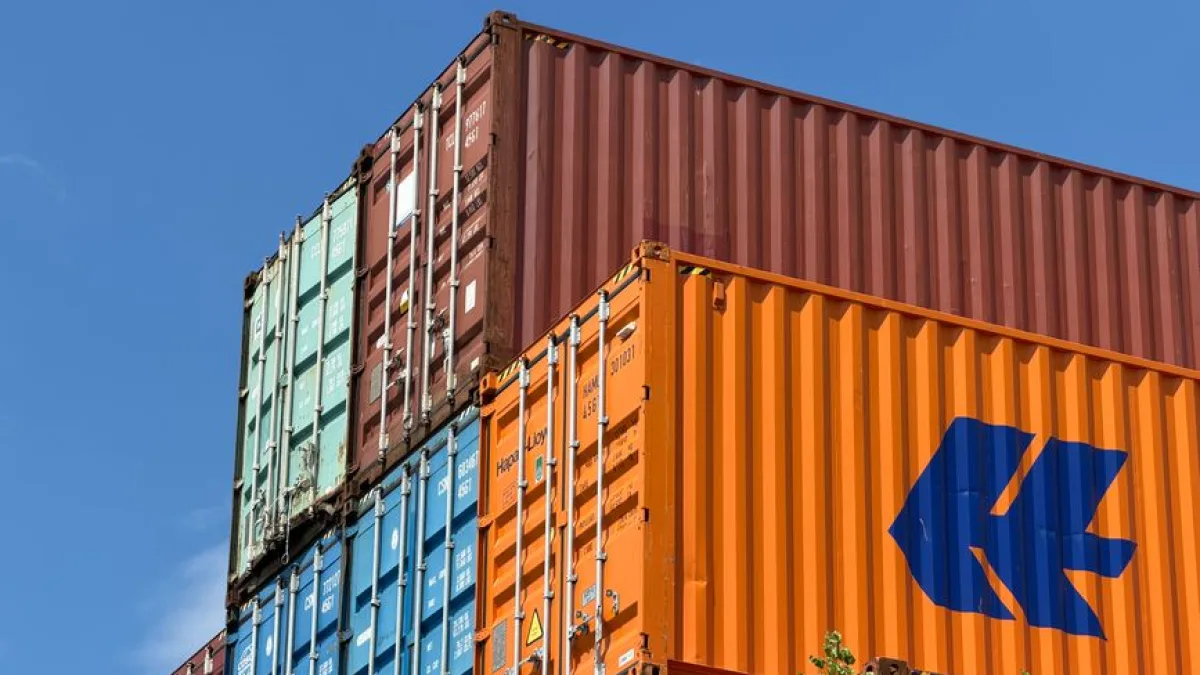
Mastering the complexities of freight forwarding requires a commitment to digital transformation, transparency, and strategic partner management. By implementing the best practices outlined here, you can drive operational excellence and provide unmatched value to your clients. Focus on leveraging technology to streamline workflows and keep your organization agile. These efforts will ensure that your business remains resilient and competitive in the global market.